Escalating Maritime Tensions Threaten Global Energy Logistics and Investor Sentiment
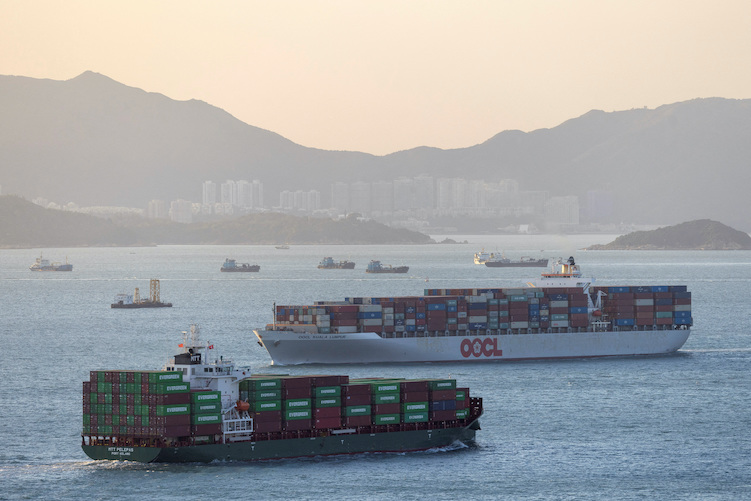
The recent announcement by Chinese officials to impose tit-for-tat port fees on US vessels marks a significant escalation in trade tensions, directly mirroring the Trump Administration’s earlier move to hike fees on Chinese ships. Effective next Tuesday, October 14, US-linked vessels docking in mainland China will face additional charges, starting at 400 yuan ($56.13) per net tonne and escalating significantly to 1,120 yuan ($157.16) by April 2028. This reciprocal action, while focused on shipping, sends ripples across global supply chains and introduces fresh uncertainty for oil and gas investors navigating an already complex market landscape. The implications extend beyond container freight, potentially impacting the cost and efficiency of transporting energy commodities, influencing refined product movements, and ultimately factoring into broader geopolitical risk assessments that shape crude oil prices.
Market Volatility Amidst Geopolitical Headwinds
The intensifying trade friction comes at a sensitive time for energy markets, contributing to a volatile trading environment. As of today, Brent Crude trades at $90.38, down a notable 9.07% within a day range of $86.08-$98.97. Similarly, WTI Crude stands at $82.59, experiencing a 9.41% decline, with its day range spanning $78.97-$90.34. This sharp daily downturn follows a significant bearish trend over the past two weeks, with Brent having fallen from $112.78 on March 30 to its current level, representing a 19.9% drop. Gasoline prices have also felt the pressure, currently at $2.93, down 5.18% for the day. While these specific price movements are influenced by a multitude of factors, including global demand outlooks and inventory data, the escalating US-China trade dispute adds a layer of economic uncertainty that can trigger de-risking by investors. Increased shipping costs for crude, refined products, and LNG due to these new fees, even if marginal per barrel initially, compound operational expenses for energy firms and could indirectly dampen demand by raising consumer prices or slowing economic activity.
Investor Focus Shifts to Supply Chain Resilience and Long-Term Outlook
Our proprietary reader intent data reveals a heightened focus among investors on understanding the long-term trajectory of oil prices, with many asking, “What do you predict the price of oil per barrel will be by end of 2026?” The ongoing US-China maritime spat complicates such forecasts. While these port fees do not directly alter crude supply, they are a strong signal of deepening geopolitical rifts that can disrupt global trade flows and economic growth, both critical drivers of energy demand. Investors are keenly aware that higher shipping costs, and the potential for further trade barriers, could erode profit margins for companies involved in international oil and gas trade, from upstream producers relying on efficient export routes to refiners and distributors moving refined products. Companies with extensive exposure to US-China shipping lanes, or those heavily reliant on specific global supply chains, may face increased scrutiny. This environment prompts a re-evaluation of logistical strategies and supply chain resilience within the energy sector, pushing investors to favor companies with diversified shipping arrangements or a more localized operational footprint.
Navigating Future Catalysts and Strategic Positioning
Looking ahead, the energy market calendar is packed with events that will shape investor sentiment, all against the backdrop of these escalating trade tensions. The upcoming OPEC+ JMMC Meeting on April 19 and the subsequent OPEC+ Ministerial Meeting on April 20 will be closely watched for any shifts in production policy. While these meetings primarily address supply-side fundamentals, the broader economic uncertainty stemming from trade disputes could influence OPEC+’s demand outlook and, consequently, their decisions. Similarly, the API Weekly Crude Inventory (April 21, April 28) and EIA Weekly Petroleum Status Reports (April 22, April 29) will provide crucial insights into short-term supply-demand balances. Should these reports indicate a weakening demand picture or rising inventories, the negative sentiment from trade friction could amplify market reactions. Savvy investors will be analyzing not just the headline numbers from these events, but also how the market interprets them through the lens of ongoing geopolitical risks. Positioning for resilience may involve favoring companies with robust balance sheets, diversified market access, or those less susceptible to the direct impacts of US-China shipping bottlenecks, potentially even exploring opportunities in regional energy markets less exposed to these specific trade routes.