China’s LNG Rebound Signals Shifting Energy Dynamics and Investment Opportunities
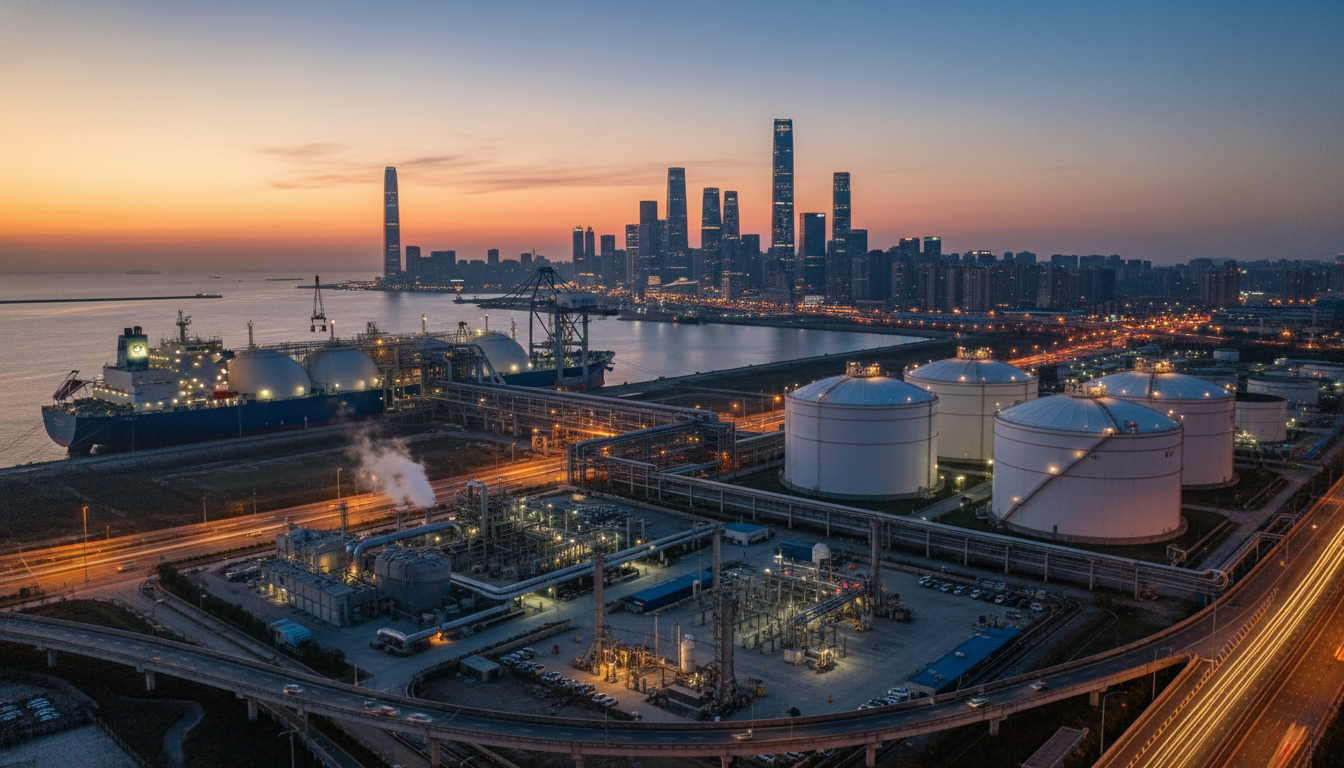
The global liquefied natural gas (LNG) market is signaling a critical turning point, underscored by a significant resurgence in demand from China, the world’s foremost energy consumer. Recent robust shipping data points to a sustained increase in China’s LNG imports, with the 30-day moving average now registering its highest level since late February. This pronounced upward trajectory offers crucial insights for energy investors, indicating a potential rebalancing of global energy trade patterns and presenting fresh avenues for strategic capital deployment within the oil and gas sector.
While current import volumes have yet to fully recover to their five-year average, the momentum is undeniable, marking a stark departure from the challenging conditions observed in April. That month witnessed China’s LNG imports plunge to an eight-year low, a direct consequence of soaring international commodity prices and specific domestic economic headwinds. Industry analytics had projected China’s average LNG imports for April to be approximately 3.5 million tons, a substantial 30% reduction compared to the previous year and the lowest monthly figure recorded since 2018. The current rebound, therefore, is not merely a statistical anomaly but rather a strong indicator of an underlying shift in China’s energy procurement strategy and domestic demand fundamentals, warranting close attention from market participants.
Geopolitical Tensions Reshape Global LNG Supply Chains and Investment Risks
The intricate fabric of global LNG supply has been significantly re-stitched by escalating geopolitical tensions, particularly within the Middle East region. Recent conflicts have profoundly impacted approximately one-quarter of the world’s total LNG production capacity, introducing an unprecedented level of supply-side risk into the market. This substantial reduction in available global supply has naturally propelled international natural gas prices to elevated levels, effectively marginalizing price-sensitive importing nations from securing crucial energy resources.
The ripple effects of these supply disruptions have reverberated across the entire Asian market. Data for March revealed that overall Asian imports of liquefied gas dropped to a seven-year low, contracting by 4.3% year-over-year to 21.12 million tons. A pivotal event contributing to this contraction was the operational disruption experienced by Qatar, a vital global LNG exporter. Historically, China alone sourced nearly a third of its liquefied natural gas requirements from the Gulf state until March. However, following reported infrastructure strikes, Qatar was compelled to declare force majeure on its LNG exports. This declaration opened a considerable gap in the global supply chain, a void that other major producing nations have found exceedingly challenging to adequately compensate for. For investors, this highlights the critical importance of geographical diversification in energy portfolios and the potential for increased volatility in regions reliant on single-source supply lines.
China’s Dual Energy Strategy and Anticipated Summer Demand Spike
In the face of a tighter global LNG market and persistently high prices, China has strategically pursued a dual approach to its energy security. Domestically, the nation has intensified efforts to ramp up coal production, leveraging its abundant indigenous resources. Concurrently, there has been an accelerated push towards expanding renewable energy infrastructure, with significant investments directed into large-scale wind and solar power projects. This comprehensive strategy aims to mitigate reliance on volatile international energy markets and bolster national energy independence.
Looking ahead, the approaching summer season is poised to trigger a substantial surge in China’s energy consumption. The anticipated rise in temperatures will inevitably lead to a dramatic increase in demand for air conditioning across the country. Consequently, Chinese energy importers are proactively increasing their LNG purchases, strategically building inventories in anticipation of this peak demand period. This forward-looking procurement behavior underscores a renewed, albeit potentially cautious, appetite for natural gas, signaling that despite the prevailing market challenges, LNG remains an indispensable component of China’s energy mix, particularly for meeting seasonal power generation needs. Investors should recognize this dual strategy as a key factor influencing both fossil fuel and renewable energy market dynamics in China.
Market Price Action: Spot LNG Emerges as a Cost-Effective Solution
The confluence of anticipated summer demand and ongoing global supply constraints has already translated into significant upward price movements within China’s domestic natural gas market. The benchmark for trucked LNG has experienced a remarkable surge, climbing an impressive 70% since the beginning of March to reach its highest valuation since 2023. This sharp increase vividly illustrates the domestic supply pressures and the elevated costs associated with securing immediate natural gas volumes within China.
Crucially, this substantial rise in domestic Chinese natural gas prices has created an interesting arbitrage opportunity, making the procurement of LNG from the international spot market a more economically appealing and viable alternative for Chinese importers. The comparative affordability of spot market cargoes, particularly when juxtaposed against the escalating domestic rates, provides a compelling incentive for energy companies to intensify their international procurement activities. This dynamic suggests that despite the overarching global supply crunch, there are specific market efficiencies and strategic purchasing advantages that could help stabilize China’s energy supply and, in turn, exert influence on broader global natural gas pricing benchmarks.
For savvy investors, these evolving trends offer a multifaceted view of the interconnectedness between geopolitical events, domestic energy policies, and the intricate dynamics of global commodity markets. The discernible recovery in China’s LNG imports, driven by a combination of astute strategic purchasing and predictable seasonal demand patterns, could well establish a firmer floor for international natural gas prices. Furthermore, this trend might provide a significant tailwind for companies engaged in LNG shipping, regasification infrastructure, and major natural gas production. Diligent monitoring of China’s energy consumption trajectories, alongside its evolving procurement strategies, will be paramount for those seeking to identify and capitalize on the shifts within the global natural gas investment landscape.
The unwavering demand from a revitalized Chinese economy, coupled with the structural reconfigurations underway in global supply chains, positions the LNG sector for sustained periods of both volatility and substantial growth opportunities. A nuanced understanding of these complex market forces will be indispensable for successfully navigating the investment terrain in the months and years to come.


