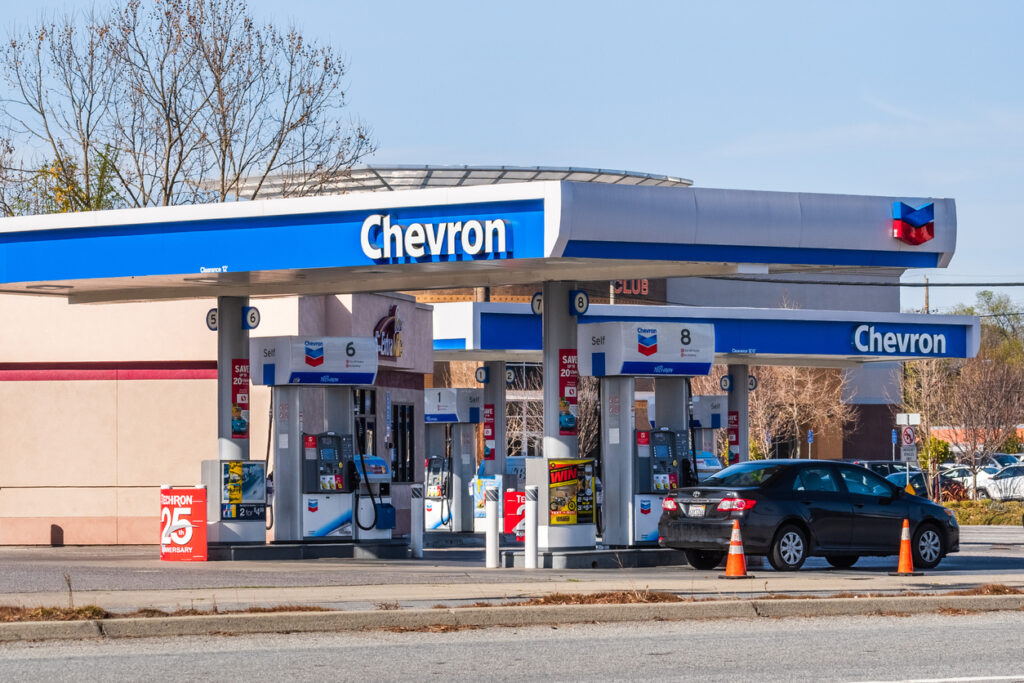
The recent fire at Chevron’s El Segundo refinery on October 2nd serves as a stark reminder of the delicate balance governing regional fuel supplies, particularly in isolated markets like California. While authorities quickly contained the blaze within a single process unit, averting injuries, the incident at this critical facility carries significant implications for investors monitoring the downstream sector. Built in 1911, the El Segundo refinery is Chevron’s largest on the West Coast, boasting a substantial processing capacity of approximately 290,000 barrels of crude oil per day. Its outsized role in the state’s energy economy, supplying roughly 20% of Southern California’s gasoline and over 40% of its jet fuel, means any disruption, however brief, can send ripples through an already tightly constrained market. For oil and gas investors, this event underscores the persistent vulnerabilities in refining infrastructure and the potential for localized supply shocks to impact regional pricing and profitability.
California’s Refined Product Isolation: A Persistent Vulnerability
California’s gasoline market stands as an anomaly within the broader U.S. energy landscape, characterized by structural factors that amplify the impact of events like the El Segundo fire. Geographically, the state operates much like an energy island, possessing only limited pipeline connections to the vast refining network of the broader United States. This physical isolation is compounded by stringent environmental regulations, particularly the requirement for a specialized, CARB-compliant blend of gasoline. This unique fuel specification cannot be easily substituted with standard gasoline from other states, nor can it be rapidly imported from distant sources like Asia or the Gulf Coast, which typically require weeks for transit. Consequently, California’s reliance on its in-state refining capacity makes it unusually exposed to operational disruptions. The El Segundo facility’s crucial contribution to the state’s fuel mix means even a temporary outage, affecting a fraction of its capacity, can create an immediate supply deficit, potentially leading to price spikes and logistical challenges that extend far beyond Los Angeles County.
Navigating the Current Market: Crude Volatility Amidst Regional Supply Shocks
The incident at El Segundo occurs within a dynamic global energy market, where broader crude oil trends interact complexly with regional refined product challenges. As of today, Brent Crude trades at $90.38, reflecting a significant daily decline of 9.07%, with its trading range spanning $86.08 to $98.97. Similarly, WTI Crude is priced at $82.59, down 9.41% for the day, having traded between $78.97 and $90.34. Gasoline prices have also felt the downward pressure, currently standing at $2.93, a 5.18% decrease, within a day range of $2.82 to $3.1. This current market snapshot reveals a pronounced bearish sentiment in crude prices, a continuation of a trend where Brent has shed nearly 20% over the past fortnight, falling from $112.78 on March 30th to its present level. While a major refinery disruption in California would typically exert upward pressure on local gasoline prices, the prevailing strong global crude sell-off appears to be overshadowing these regional supply concerns. This creates a challenging environment for investors, where the immediate bearish momentum in crude needs to be weighed against the potential for localized price surges in refined products due to supply constraints, particularly for companies with significant exposure to California’s unique market dynamics.
Forward Outlook: Key Events Shaping Energy Investments
Looking ahead, the interplay between the El Segundo refinery’s recovery timeline and a series of critical upcoming energy events will define the investment landscape. Investors are keenly watching the OPEC+ Joint Ministerial Monitoring Committee (JMMC) Meeting on April 19th, followed by the full OPEC+ Ministerial Meeting on April 20th. These gatherings are pivotal for discussions around global production quotas, a topic frequently on the minds of our readers who often inquire about current OPEC+ output policies. Any adjustments to supply, or even strong signals regarding future intentions, could significantly impact crude oil prices, thereby influencing the cost of feedstock for refiners globally and the eventual cost of imports for California if the El Segundo disruption proves prolonged. Furthermore, the weekly API and EIA inventory reports on April 21st, 22nd, 28th, and 29th will provide vital insights into U.S. crude and product stockpiles, offering a broader picture of supply-demand balances. While these reports cover national data, any significant draws or builds could affect the availability and pricing of potential emergency gasoline and jet fuel imports into California, indirectly influencing the severity and duration of the El Segundo incident’s market impact. The Baker Hughes Rig Count reports on April 24th and May 1st will also offer clues about future upstream activity, completing the picture for supply-side expectations.
Investor Sentiment and Strategic Positioning in a Dynamic Landscape
Our proprietary reader intent data reveals a strong focus among investors on future price trajectories, with many asking, “what do you predict the price of oil per barrel will be by end of 2026?” This long-term perspective is crucial, as regional incidents like the El Segundo fire, while immediately impactful, also serve as powerful reminders of the inherent fragility within the global supply chain. Such events underscore the potential for sudden supply shocks to underpin prices, even in periods of broader market volatility. The current crude price dip, coupled with a localized supply threat, creates a complex scenario for energy sector positioning. Investors are also keenly tracking the performance of specific players, as evidenced by questions regarding companies like Repsol. For integrated oil companies with refining assets, the ability to mitigate regional disruptions, manage inventory, and adapt to shifting market fundamentals will be key to sustaining profitability. The El Segundo situation highlights that even as global macroeconomic factors drive crude prices, localized refining bottlenecks can create significant arbitrage opportunities or challenges for refined product marketers. Savvy investors will continue to monitor both the global crude benchmarks and the intricacies of regional refined product markets, recognizing that these seemingly disparate forces are inextricably linked in determining the overall health and direction of their energy portfolios.