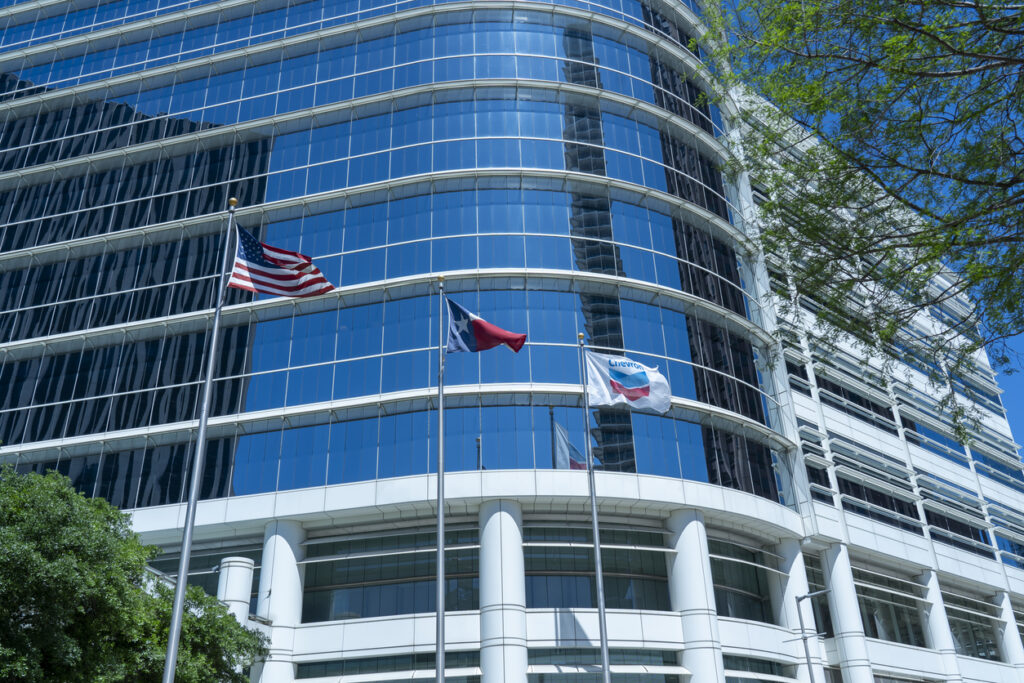
The global energy landscape continues its dynamic realignment, with major players meticulously evaluating strategic opportunities amidst geopolitical shifts. In a significant development, U.S. oil giant Chevron is actively studying options to acquire certain international assets from sanctioned Russian oil firm Lukoil. This move, which comes after crucial clearance from the U.S. Treasury for potential buyers to engage with Lukoil on its foreign portfolio, signals a potential high-stakes transaction valued at an estimated $22 billion, based on 2024 filings. Chevron’s interest centers on specific assets where it already holds operational stakes or existing synergies, rather than a broad acquisition of Lukoil’s entire international footprint, setting the stage for a targeted expansion in key global regions.
Chevron’s Strategic Play for Overlap Synergy
Chevron’s approach to Lukoil’s international assets is a calculated one, focusing on areas of existing operational overlap and strategic alignment. This targeted interest is a testament to prudent capital allocation, aiming to enhance current portfolio efficiency and expand in familiar territories. Specifically, Chevron is exploring stakes in the Karachaganak and Tengiz fields in Kazakhstan, where it is already a significant shareholder alongside other majors like Exxon Mobil, Eni, and Shell. These fields are vital, serving as primary sources for the CPC pipeline, which transports over 1.6 million barrels per day of crude – approximately 1.5% of global oil demand – to international markets via Russia. Furthermore, Chevron operates the Nigerian offshore license OML-140, another asset where Lukoil holds a stake, creating immediate operational synergies. Lukoil also operates the West Qurna 2 project in Iraq, a region where Exxon previously held a strong operational presence. This strategic focus minimizes integration risk and maximizes potential value capture from day one. Many investors are keenly watching how major players like Chevron navigate these complex M&A scenarios to enhance their portfolios, often asking how such strategic asset plays impact corporate valuations and long-term performance.
Navigating a Volatile Market: Asset Valuations and Investor Outlook
The pursuit of high-value energy assets like those held by Lukoil unfolds against a backdrop of significant market volatility. As of today, Brent crude trades at $90.61 per barrel, marking a notable 8.83% decline from yesterday’s close, while WTI follows suit at $82.68, down 9.31%. This sharp daily downturn compounds a recent trend, with Brent having shed $14, or 12.4%, over the past two weeks, falling from $112.57 on March 27th to $98.57 on April 16th before today’s pronounced drop. Such price swings inject an additional layer of complexity into asset valuations, particularly for a portfolio estimated at $22 billion. While a falling price might make buyers more cautious, it could also present a more attractive entry point for long-term strategic investors like Chevron. Investors are actively seeking clarity on future price trajectories, with many asking for predictions on the price of oil per barrel by the end of 2026. This acquisition, if successful, represents a long-term bet on global energy demand and stable-to-rising commodity prices, demonstrating conviction beyond short-term market fluctuations. The competition from firms like Carlyle further underscores the perceived value and strategic importance of these international assets.
The Geopolitical Framework: Sanctions, Clearance, and Global Energy Flow
The intricate dance around Lukoil’s international assets is fundamentally shaped by the prevailing geopolitical environment. The U.S. Treasury’s recent clearance for potential buyers to engage with Lukoil regarding its foreign assets was a critical turning point, de-risking the process for companies like Chevron. This move is a direct consequence of the sanctions imposed by the U.S. on Russia’s two largest oil companies, Lukoil and Rosneft, as part of broader efforts to pressure Moscow into peace talks concerning Ukraine. The divestment of assets from a sanctioned entity, even those located outside Russia, requires careful navigation of complex regulatory and political landscapes. The strategic significance of these assets is undeniable, particularly Lukoil’s stakes in the Karachaganak and Tengiz fields in Kazakhstan. These fields are not just major production hubs but also crucial contributors to the CPC pipeline, a vital artery for global crude supply. The pipeline’s capacity to carry over 1.6 million barrels per day to global markets underscores the geopolitical sensitivity and strategic value embedded within these particular assets, making any transfer of ownership a matter of international energy security.
Forward Catalyst Watch: Key Events Shaping the Energy Landscape
Looking ahead, the coming weeks are packed with critical events that could significantly shape the market backdrop for any major M&A activity in the energy sector, including Chevron’s pursuit of Lukoil’s assets. Investors will be closely watching the OPEC+ Joint Ministerial Monitoring Committee (JMMC) meeting scheduled for tomorrow, April 17th, followed swiftly by the full Ministerial Meeting on April 18th. These gatherings are pivotal, especially given the recent price volatility, and could lead to decisions on production quotas – a topic of intense interest for our readers, who are often asking about OPEC+’s current production levels. Further market signals will emerge from the API Weekly Crude Inventory report on April 21st and the EIA Weekly Petroleum Status Report on April 22nd, offering fresh insights into the intricate global supply-demand dynamics. The Baker Hughes Rig Count on April 24th will provide a crucial pulse check on North American drilling activity. Collectively, these data points will influence market sentiment, potentially impacting the perceived value and risk appetite for significant acquisitions like those in Lukoil’s portfolio, as any shift in global supply policy or demand indicators could alter the strategic calculus for energy investors.