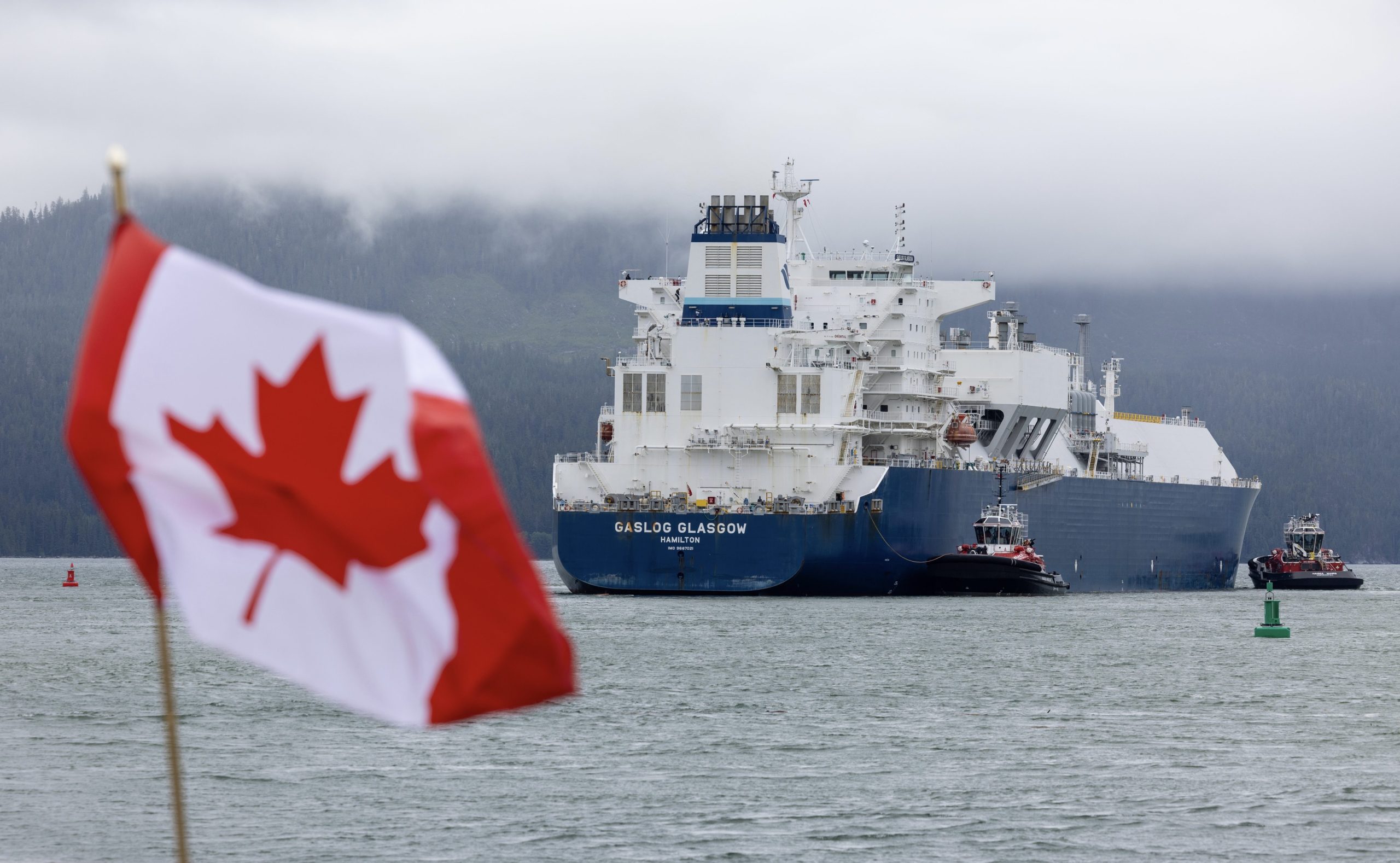
A new era for Canadian energy exports has officially begun, marking a pivotal moment for global liquefied natural gas (LNG) supply and the investment landscape. On June 30, 2025, the LNG Canada facility in Kitimat, British Columbia, successfully loaded its inaugural cargo of liquefied natural gas, destined for international markets. This milestone signifies not only the operational commencement of Canada’s first large-scale LNG export terminal but also a significant expansion of North American energy reach, offering a long-term asset poised to influence global energy security and diversification for decades to come.
Canada’s Entry Reshapes the Global LNG Map
The successful launch of LNG Canada’s export operations represents a major strategic shift, positioning Canada as a significant player in the rapidly evolving global natural gas market. Located in the traditional territory of the Haisla Nation, the Kitimat facility is designed for longevity, beginning with two processing units, or “trains,” capable of exporting a substantial 14 million tonnes per annum (mtpa). This capacity introduces a significant new volume of responsibly produced energy into a world keenly focused on reliable supply and lower-carbon alternatives.
Beyond the geopolitical implications, the project has delivered tangible economic benefits. Its construction phase saw over 50,000 Canadians directly contributing to its development, with the connecting Coastal GasLink pipeline engaging an additional 25,000 individuals. Now in operation, the facility has created more than 300 full-time, permanent positions. The economic ripple effect is profound, with over CAD$5.8 billion in contracts and subcontracts awarded to local, Indigenous, and other British Columbian businesses. Notably, Indigenous-owned and local area businesses secured more than CAD$4.9 billion of this total, underscoring a commitment to community integration and economic empowerment. A prime example is the CAD$500 million contract with HaiSea Marine, a joint venture providing harbor and escort tugboat services utilizing a fleet of battery-powered, low-emissions vessels, setting a new standard for sustainable operations.
Navigating Global Supply Expansion Amidst Market Dynamics
The introduction of Canadian LNG into global markets arrives at a time when energy investors are closely monitoring supply-demand balances and price stability. As of today, Brent crude trades at $95.15, marking a modest 0.23% gain in early trading, while WTI sits at $91.54, up 0.27%. This relative calm follows a period of notable volatility; Brent crude, for instance, has shed $13.43, or 12.4%, from its recent peak of $108.01 on March 26 to $94.58 yesterday. Meanwhile, gasoline prices currently hover around $3, experiencing a slight dip of 0.33% today. The influx of 14 mtpa of Canadian LNG, while not directly impacting crude benchmarks, significantly bolsters the global natural gas liquidity pool, potentially easing price pressures in gas-dependent regions and indirectly influencing the broader energy complex by offering a competitive alternative to other fuels.
This new supply source contributes to the diversification of energy imports for consuming nations, particularly in Asia, and enhances energy security in an increasingly fragmented geopolitical landscape. For investors, the long-term nature of this asset provides a stable income stream, buffering against the short-term fluctuations observed in crude markets. The project’s emphasis on lower-carbon production also aligns with evolving environmental, social, and governance (ESG) investment mandates, making it an attractive proposition for funds focused on sustainable energy transitions.
Upcoming Catalysts for the Energy Investment Horizon
While the long-term impact of new supply streams like Canadian LNG is being absorbed, investors’ immediate focus remains on crucial near-term market catalysts. This Friday, April 17, the Baker Hughes Rig Count will provide a fresh perspective on North American drilling activity, offering an early indicator of future supply intentions in both oil and gas. This data point is particularly relevant as new LNG capacity comes online, signaling potential shifts in upstream natural gas investment.
More significantly for global crude markets, the OPEC+ Joint Ministerial Monitoring Committee (JMMC) convenes on Saturday, April 18, followed by the full Ministerial Meeting on Monday, April 20. These high-stakes discussions will be critical in discerning the cartel’s stance on production quotas, especially amidst a volatile demand picture and expanding non-OPEC supply, including the burgeoning LNG sector. The decisions made here could dictate crude price trajectories for the coming months. Closer to home, the API Weekly Crude Inventory report on April 21 and the EIA Weekly Petroleum Status Report on April 22 will offer immediate insights into U.S. inventory levels, which remain a key daily driver for crude pricing and investor sentiment. Understanding how these events interact with a growing global LNG supply is crucial for comprehensive portfolio strategy.
Addressing Key Investor Questions and Future Outlook
Our proprietary reader intent data reveals a clear focus among investors on understanding market direction and the underlying forces shaping it. Frequent queries such as “Build a base-case Brent price forecast for next quarter” and “What is the consensus 2026 Brent forecast?” underscore the demand for forward-looking analysis. The entry of Canadian LNG, while primarily a gas story, contributes to the broader energy supply narrative. Increased global LNG availability can alleviate pressure on thermal power generation and industrial demand for other fuels, including crude, indirectly influencing overall energy market balances.
Furthermore, questions like “What’s driving Asian LNG spot prices this week?” highlight the critical importance of Asian demand centers, which are prime targets for Canadian LNG exports. The new supply is well-positioned to serve these markets, offering a stable and reliable source of energy that can help moderate price volatility. While “How are Chinese tea-pot refineries running this quarter?” is specific to crude refining, it reflects a broader investor interest in Asian economic activity and energy consumption, which directly impacts the demand for all energy commodities, including LNG. The long-term investment thesis for LNG remains robust, driven by geopolitical risks, the ongoing global drive for energy security, and the transition towards lower-carbon energy sources, with facilities like LNG Canada serving as cornerstones for this evolving landscape.