


(Bloomberg) – bp Plc is aggressively expanding shale drilling, bucking the conservative approach of many rivals, as the UK oil giant seeks to reverse years of anemic output.
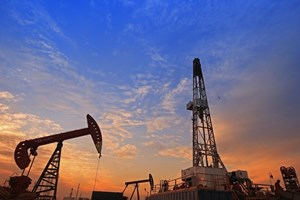
The company’s BPX Energy unit plans to increase production from shale fields by 8% this year, BPX Chief Executive Officer Kyle Koontz said during an interview in Houston. Shale output equivalent to 500,000 bpd would make up roughly 20% of the parent company’s current worldwide production.
By the end of the decade, Koontz’s goal is to raise that to 650,000 bpd. The plan is part of bp’s grander ambitions of reversing a plunge in production, profits and shareholder value from an ill-starred 2020 pivot to renewables and low-carbon alternatives.
The contrarian move also comes as marquee shale outfits such as Diamondback Energy Inc. and EOG Resources Inc. rein in production growth, taking a wait-and-see approach amid widespread warnings of an impending worldwide crude glut that would tank prices.
Koontz, a University of Oklahoma-trained petroleum engineer who cut this teeth at shale pioneer Tom Ward’s SandRidge Energy Inc., aims to squeeze more crude from US shale fields while lowering operating costs, a move that will free up more cash for the parent company’s far-flung international pursuits.
“We’re also going to spend $800 million in less capital” on the way to the 2030 target, Koontz said. “The reason that’s exciting for bp is that allows them to sanction other growth projects; they can redeploy that capital to other growth.”
Once a formidable member of the elite club of international supermajors that includes ExxonMobil and Chevron, bp fell on hard times after betting big on a shift away from fossil fuels that mostly failed to materialize.
bp’s overall output plunged as the company shed crude and gas assets, and trimmed upstream investment. Its market capitalization is still almost 40% below where it was in early 2019. The company now ranks below ConocoPhillips and Brazil’s Petrobras in terms of valuation.
“BPX is a core part of bp,” Carol Howle, the bp trading chief who is serving as interim CEO until Meg O’Neill takes the helm in April, said during a conference call. “It’s got a great production forecast through to the end of the decade.”
Koontz’s growth initiative comes after a chaotic year in which the parent company has been pushed by activist investor Elliott Investment Management for drastic change and Murray Auchincloss was ousted as CEO.
As bp works to repair its balance sheet, executives have been fielded the questions from analysts about whether it wouldn’t be wiser to unlock the value of BPX by selling it or spinning it off.
During the interview, Koontz declined to disclose the breakeven oil prices for BPX’s operations in the Permian basin, Eagle Ford or Haynesville shale regions. International crude prices have been trading below the $70 per-barrel price assumption used in bp’s strategy, which was announced last February.
But he noted that short-term market blips aren’t likely to disturb long-term drilling plans. BPX probably wouldn’t alter its growth plan unless there was a larger macro disruption like the Covid-19 pandemic that collapsed the industry.
“Where we struggle in the past and other companies struggle in the past is you start cycling capital too much,” said Koontz, a native of Midland, Texas — the unofficial capital of the Permian. “It’s hard to get good, steady-state operations and you don’t get the benefit of that manufacturing approach” with roller-coaster budgeting.
