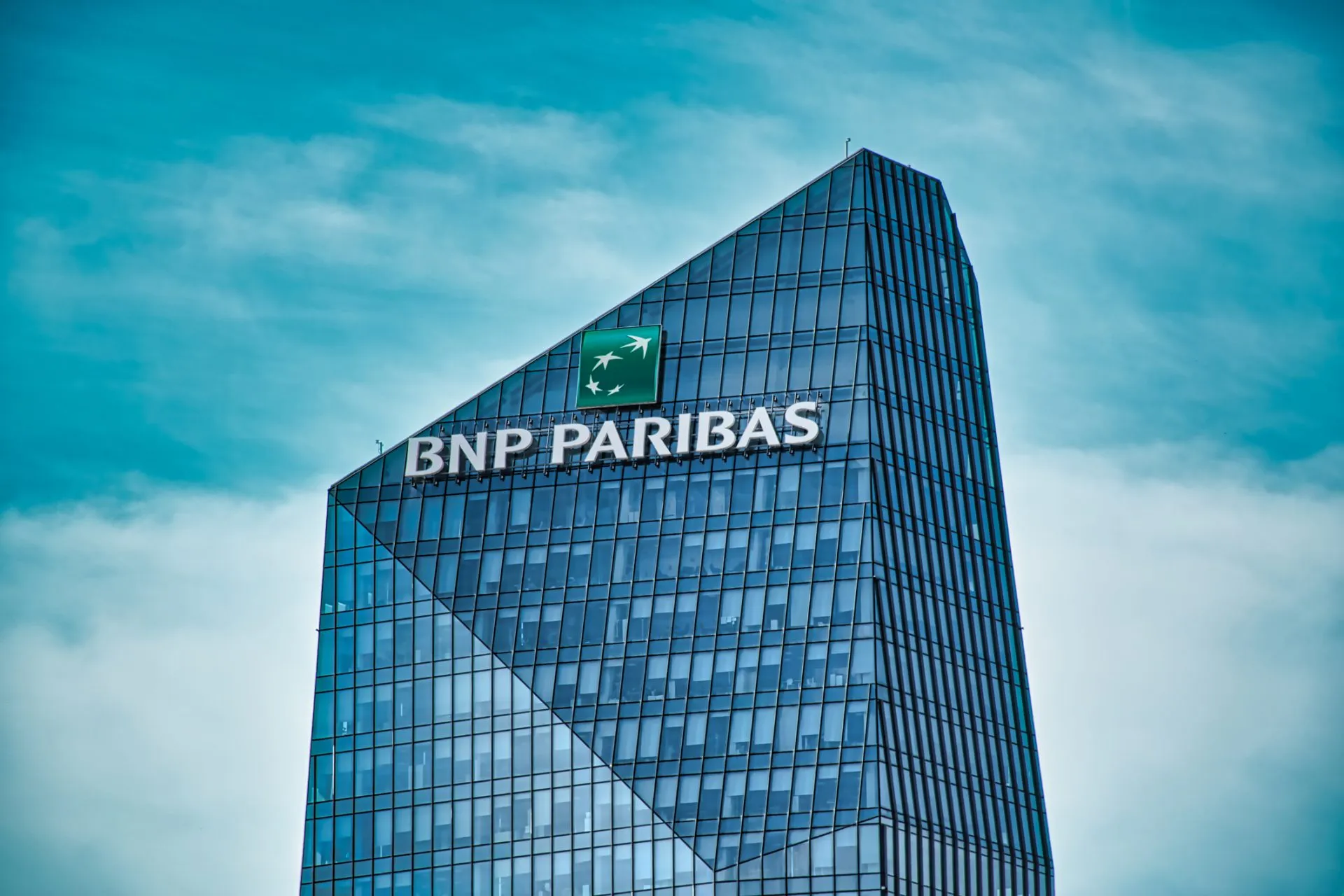
The strategic alliance between BNP Paribas and Eclipse marks a significant evolution in Europe’s energy transition financing landscape. This partnership, combining substantial equity investment with sophisticated structured finance and energy trading capabilities, signals a maturing approach to deploying critical battery energy storage systems (BESS) across the continent. For investors monitoring the dynamic interplay between traditional oil and gas markets and the burgeoning renewable sector, this collaboration offers a crucial blueprint for mitigating risk and unlocking value in the increasingly complex energy ecosystem. It underscores a pivot towards integrated solutions that not only build infrastructure but also manage the inherent market volatility, directly addressing the core challenges of grid stability and energy security in Europe.
De-risking the European Grid: A Blueprint for Storage Investment
Eclipse, with its impressive pipeline of 16 projects totaling 850 MW across France and Belgium, represents a compelling case for institutional investment in grid-scale battery storage. This capacity is not merely about adding megawatts; it’s about providing essential flexibility to European grids grappling with fluctuating renewable energy inputs and evolving power demands. What makes this partnership particularly noteworthy is BNP Paribas’s strategic equity stake, validating Eclipse’s integrated dual business model. Eclipse not only develops these crucial assets but also optimizes them in real-time through its proprietary Flowstream algorithmic trading platform. This capability to capture value across wholesale power markets while simultaneously responding to grid needs is paramount. It transforms what could be a capital-intensive, revenue-uncertain venture into a more robust, bankable proposition, appealing directly to investors seeking stable returns in a sector often perceived as nascent or subsidy-dependent. This model sets a new standard for how financial institutions are assessing and supporting the next generation of energy infrastructure.
Navigating Commodity Volatility with Structured Finance
The timing of this sophisticated financing structure is particularly prescient given the current state of global commodity markets. As of today, Brent crude trades at $93.09 per barrel, marking a +2.94% increase within the day’s range of $89.11-$94.68. Similarly, WTI crude stands at $89.55, up 2.44% for the day. While these represent daily gains, the broader trend reveals significant volatility; Brent has seen a notable decline of 19.8% over the past 14 days, falling from $118.35 to $94.86. This pronounced fluctuation in traditional energy benchmarks underscores the critical need for investment avenues offering structured revenue frameworks and robust hedging strategies, precisely what the BNP Paribas-Eclipse partnership delivers. For investors asking about the trajectory of WTI or the price of oil per barrel by the end of 2026, the underlying message is clear: diversification and risk mitigation are paramount. By combining BNP Paribas’s two decades of European electricity market trading experience with Eclipse’s operational expertise, the partnership crafts tailored financing solutions designed to manage merchant risk and lower capital costs. This approach not only secures funding for vital energy storage projects but also insulates them from the broader, unpredictable swings seen in the oil and gas markets, offering a more predictable return profile.
A Forward View: Storage as a Pillar of European Energy Security
Looking ahead, the strategic importance of battery storage, and partnerships like this, cannot be overstated in the context of Europe’s evolving energy landscape. While our platform tracks upcoming traditional energy events such as the OPEC+ JMMC Meeting on April 21st and subsequent EIA Weekly Petroleum Status Reports on April 22nd and 29th, the impact of these events on fossil fuel supply and pricing further highlights the need for domestic grid resilience. The EIA’s Short-Term Energy Outlook on May 2nd will offer further insights into global energy dynamics, but Europe’s imperative for energy independence remains constant. Battery storage projects directly contribute to this goal by enhancing grid flexibility and reducing reliance on volatile fossil fuel imports for balancing power supply. This partnership isn’t just about financing current projects; it’s about building a future-proof energy infrastructure that can absorb market shocks and ensure consistent power delivery. The ability to structure long-term offtake arrangements supported by BNP Paribas’s credit strength will be instrumental in attracting further capital, accelerating the deployment of these essential assets, and ultimately bolstering the continent’s energy security strategy.
Investor Sentiment and Diversification in a Shifting Landscape
Our proprietary reader intent data reveals a clear focus among investors on commodity price direction, with questions like “is WTI going up or down” and “what do you predict the price of oil per barrel will be by end of 2026” dominating inquiries. This persistent focus on oil price volatility reflects both opportunity and apprehension. In this environment, the BNP Paribas-Eclipse collaboration offers a compelling alternative for investors seeking diversification and a different risk profile within the broader energy sector. The move by a major financial institution like BNP Paribas into strategic equity and structured finance for battery storage signals a maturation of the renewable energy investment thesis. It reflects a broader industry shift where developers are increasingly seeking financial partners capable of underwriting not just construction risk, but also market volatility. For sophisticated investors, this partnership underscores a critical trend: the shift from subsidy-dependent renewable projects to market-driven, de-risked energy infrastructure. It’s an affirmation that well-structured, technologically advanced battery storage ventures are now considered prime assets for long-term capital deployment, offering stability and growth potential even as traditional commodity markets remain subject to significant macroeconomic and geopolitical pressures.


