Baker Hughes Secures Landmark Aramco Gas Contract Amidst Market Volatility
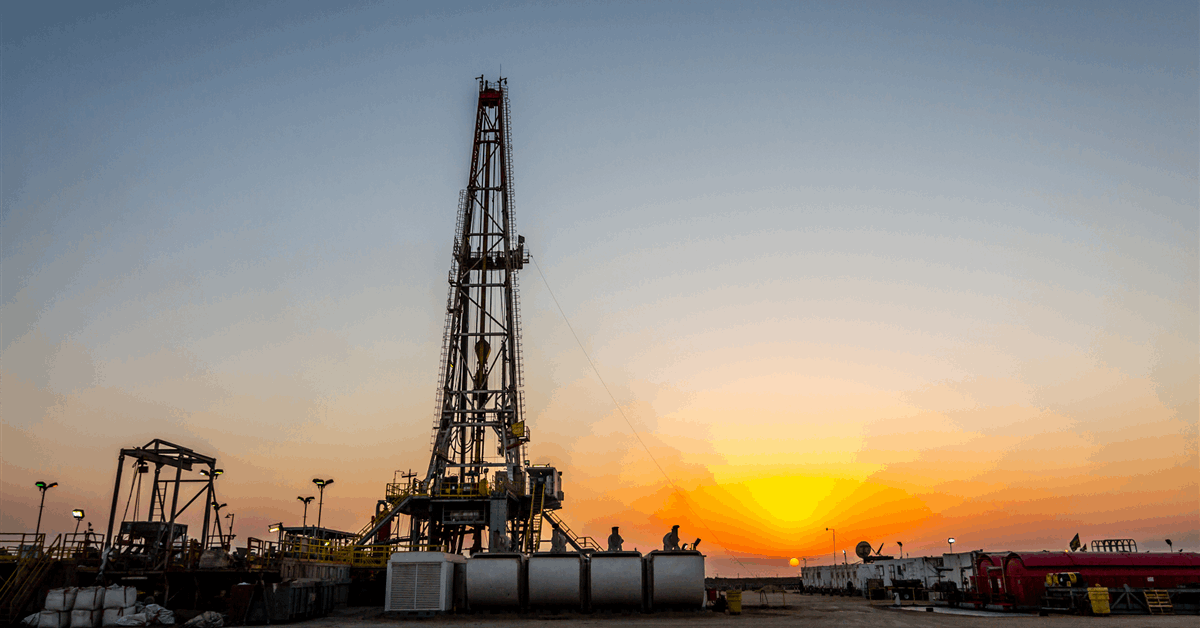
Baker Hughes (BKR) has achieved a significant strategic victory with the expansion of its integrated underbalanced coiled tubing drilling (UBCTD) operations for Saudi Aramco. This multi-year agreement, which will see BKR’s UBCTD fleet in Saudi Arabia’s natural gas fields grow from four to ten units, represents a robust commitment to enhancing gas production efficiency and accessing challenging reservoirs. For investors, this deal solidifies BKR’s position as a critical technology provider in a crucial growth area for the world’s largest energy producer, offering a long-term revenue stream against a backdrop of fluctuating global crude markets.
Strategic Expansion in Saudi Gas: A Deep Dive into BKR’s Win
The expanded contract with Aramco is more than just an increase in equipment; it underscores Baker Hughes’ integrated approach to complex drilling challenges. Starting next year, BKR will not only deploy additional UBCTD units but will also provide a comprehensive suite of services, including underbalanced drilling, operational management, well construction, and geosciences. This holistic method, incorporating advanced technologies like the CoilTrak™ bottomhole assembly system and enhanced reservoir analysis from GaffneyCline™ energy advisory, is designed to significantly improve production efficiency, speed, and safety. By mitigating reservoir damage compared to traditional methods, BKR is enabling Aramco to more effectively tap into bypassed and hard-to-reach natural gas hydrocarbons. This long-standing collaboration, dating back to BKR’s entry into the Saudi UBCTD market in 2008, showcases a deep-rooted partnership built on technological leadership and operational excellence, positioning BKR advantageously for future innovation in the global gas sector.
Navigating Volatility: Natural Gas as a De-Risking Strategy
The timing of this significant contract award is particularly noteworthy given the broader energy market dynamics. As of today, Brent crude trades at $90.38 per barrel, representing a substantial 9.07% decline, while WTI crude is at $82.59, down 9.41%. This sharp correction follows a nearly 20% drop in Brent prices over the last 14 days, from $112.78 to its current level. Gasoline prices have also dipped, now at $2.93, a 5.18% decrease. This pronounced volatility in crude markets highlights the strategic importance of Aramco’s focus on domestic natural gas production. For Saudi Arabia, increasing gas output is a key diversification strategy, reducing its reliance on oil revenues and supporting its growing industrial base. For Baker Hughes, securing such a foundational contract in gas services provides a more stable, long-term revenue stream, somewhat insulated from the immediate swings impacting global crude demand and supply. This deal reinforces the thesis that while crude prices grab headlines, the underlying demand for advanced drilling services in the natural gas sector remains robust, driven by fundamental energy needs and strategic national objectives.
Forward-Looking Analysis: Key Events Shaping the Horizon
Investors tracking Baker Hughes and the broader energy services sector should keep a close eye on several upcoming calendar events. The OPEC+ Joint Ministerial Monitoring Committee (JMMC) Meeting on April 19th, followed by the full OPEC+ Ministerial Meeting on April 20th, will provide critical insights into future crude production quotas. While BKR’s Aramco contract focuses on gas, any shifts in OPEC+ crude strategy can indirectly influence overall upstream spending and sentiment. Closer to home for BKR’s operations, the regular API Weekly Crude Inventory reports (April 21st, 28th) and EIA Weekly Petroleum Status Reports (April 22nd, 29th) offer a snapshot of immediate market balances. However, of particular relevance to Baker Hughes is its own Rig Count report, scheduled for April 24th and May 1st. An uptick in the global or regional rig count, especially in gas-rich basins, would signal increasing drilling activity and potential for further service demand. This ongoing Aramco expansion, set to commence next year, positions BKR favorably, irrespective of short-term rig count fluctuations, by securing a substantial base load of activity.
Addressing Investor Concerns: Beyond Price Swings and Towards Strategic Growth
Our proprietary market intelligence indicates that investors are keenly focused on the broader trajectory of oil prices, with many asking about predictions for the price of oil per barrel by the end of 2026, and the specifics of OPEC+’s current production quotas. While these are critical macro considerations, Baker Hughes’ recent wins offer a nuanced perspective. The Aramco gas contract, for instance, underscores a fundamental shift towards strategic resource development that transcends daily crude price movements. It’s about long-term energy security and efficient resource extraction. Furthermore, BKR’s separate contract to supply critical equipment for the Blue Point Number One ammonia project in Louisiana, a $4 billion initiative by CF Industries, JERA, and Mitsui, highlights its diversification into the energy transition space. This facility, aiming for 1.4 million metric tons per year capacity and a 2029 start, will be the world’s largest ammonia production facility using natural gas as feedstock. This dual-pronged strategy – strengthening its core oilfield services in critical gas markets and actively participating in the energy transition – positions Baker Hughes as a resilient investment opportunity, capable of navigating market volatility by focusing on technological leadership and strategic growth in both traditional and emerging energy sectors.


