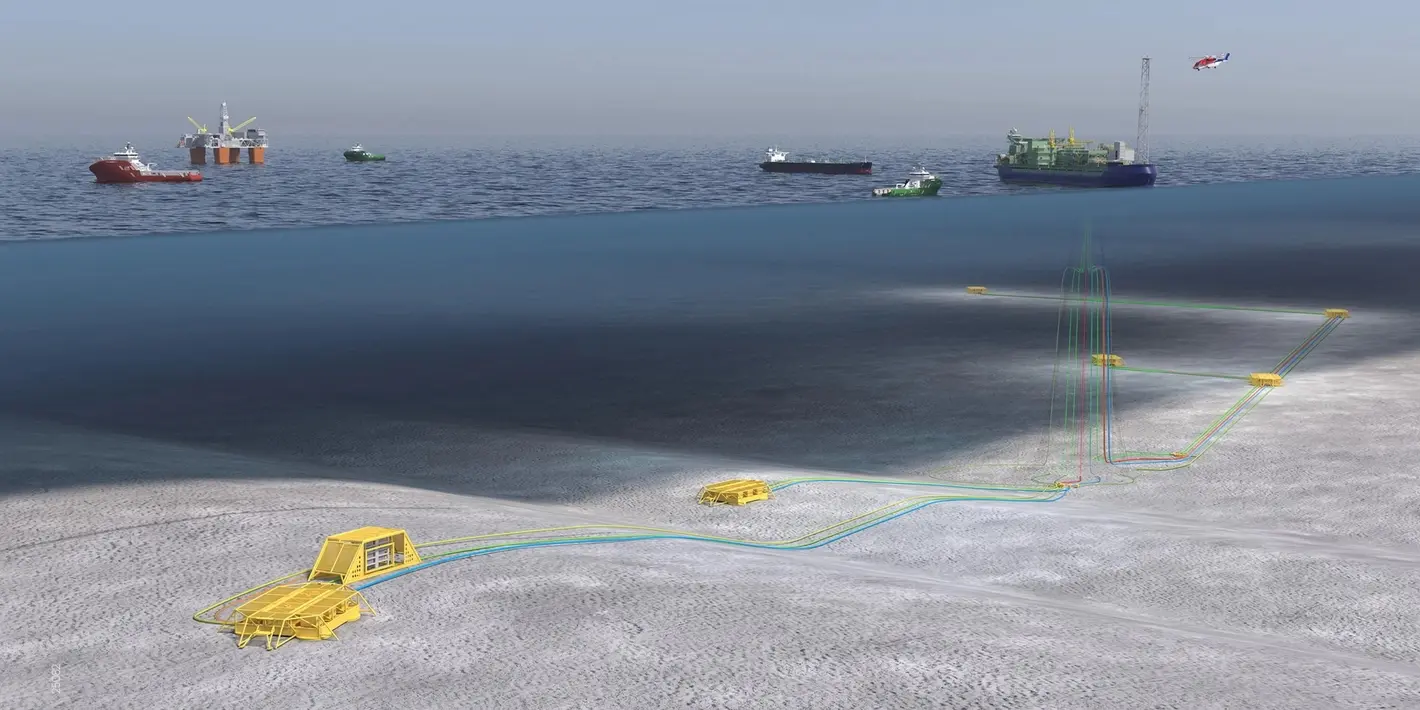
The proposed Bay du Nord offshore oil project, spearheaded by Equinor and bp in the Flemish Pass basin off Newfoundland and Labrador, has taken a significant step forward with the signing of a benefits agreement. This accord, struck between the Newfoundland and Labrador government and the project partners, is far more than a bureaucratic formality; it represents a material de-risking event for one of Atlantic Canada’s most anticipated major offshore developments. For investors closely tracking capital allocation in the energy sector, this milestone provides increased clarity and strengthens the project’s viability, potentially paving the way for a crucial Final Investment Decision (FID) in the near future. Our analysis delves into the implications of this agreement, contextualizing it within the current volatile crude market and highlighting key investor considerations.
Bay du Nord: A Decisive Step Towards FID
The recently signed benefits agreement is a cornerstone for the Bay du Nord project’s progression. It solidifies expectations for local supply chain participation, a critical component for large-scale energy projects operating within the province. This commitment ensures that Newfoundland and Labrador-based companies will have substantial opportunities across the planning, construction, and operational phases. For Equinor and bp, securing this local content framework is vital, addressing stakeholder concerns and laying a stable groundwork for future development. Energy NL, a key industry voice, has rightly hailed this as a “generational project,” underscoring its potential to provide sustained economic activity and energy supply for decades. From an investment perspective, such agreements are crucial; they reduce regulatory uncertainty, foster community support, and can streamline project execution, all factors that contribute positively to a project’s risk-adjusted returns and its likelihood of securing an FID.
Market Headwinds and Tailwinds: The Broader Oil Price Context
The commitment to Bay du Nord arrives amidst a fluctuating global oil market, a dynamic investors are keenly monitoring. As of today, Brent crude trades at $90.38 per barrel, a notable decline from its position earlier in the month. Our proprietary data shows Brent has experienced a significant downturn, moving from $112.78 on March 30th to its current level on April 17th, representing a nearly 20% drop over just two weeks. WTI crude similarly reflects this volatility, currently priced at $82.59. This price environment presents a complex backdrop for major capital expenditures. While a $90 Brent still offers attractive margins for new developments, it is markedly different from the triple-digit prices seen recently. Investors on our platform are actively questioning the trajectory, with signals indicating strong interest in whether WTI will trend up or down, and what the price of oil per barrel might be by the end of 2026. For projects like Bay du Nord, robust economics are essential to withstand such market shifts, and the long-term nature of offshore developments requires a strategic vision that transcends short-term price movements. The progress on Bay du Nord suggests Equinor and bp maintain a confident long-term outlook despite recent volatility, signaling their belief in sustained demand and the project’s inherent value.
Offshore Revival and Supply Chain Opportunities
The advancement of Bay du Nord underscores a broader trend of renewed interest in deepwater and offshore exploration and production, particularly in basins with proven potential like the Flemish Pass. After years of underinvestment in certain segments of the upstream sector, driven by capital discipline and energy transition pressures, major players are once again turning to large-scale, long-life assets to secure future supply. This project is poised to become one of Atlantic Canada’s next significant offshore plays, reinforcing the region’s position as a critical source of conventional oil. For the local supply chain in Newfoundland and Labrador, this translates into substantial contract opportunities across engineering, fabrication, logistics, and specialized services. Energy NL’s emphasis on decades of regional experience highlights a mature industrial base ready to support the project from its initial planning stages through to long-term operations. Investors seeking exposure to the broader energy ecosystem should take note of the companies poised to benefit from this renewed offshore activity, as the multiplier effect of such a “generational project” extends well beyond the direct operators.
Navigating Future Milestones and Upcoming Market Catalysts
While the benefits agreement marks a pivotal moment, the ultimate Final Investment Decision for Bay du Nord remains the next major hurdle. Investors will be keenly watching for further announcements from Equinor and bp regarding their capital allocation plans and project timelines. The broader market calendar will undoubtedly influence the sentiment around such decisions. Upcoming events such as the OPEC+ Joint Ministerial Monitoring Committee (JMMC) meeting on April 20th, followed by the full OPEC+ Ministerial Meeting on April 25th, could significantly impact crude supply strategies and, consequently, global oil prices. Similarly, the weekly API and EIA inventory reports on April 21st, 22nd, 28th, and 29th will provide crucial insights into demand trends and market balances. These events, alongside the Baker Hughes Rig Count reports on April 24th and May 1st, will paint a clearer picture of the immediate and medium-term outlook for oil. Investors are right to ask about the year-end oil price, as these collective factors will shape the economic viability and investment appetite for future projects like Bay du Nord. A stable or rising price environment, potentially influenced by OPEC+ decisions or tightening inventories, would provide further tailwinds for the project, reinforcing the investment case for long-term conventional oil assets.