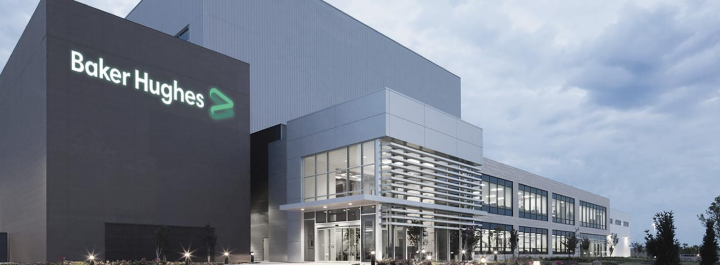
Baker Hughes is making bold moves to reshape its portfolio, signaling a clear strategic intent to enhance shareholder value and capitalize on evolving energy and industrial landscapes. The recent approval by Chart Industries shareholders for Baker Hughes’ ambitious $13.6 billion takeover marks a pivotal moment, poised to significantly transform the company’s operational footprint and revenue streams. As a leading global energy and industrial technology provider, Baker Hughes is not merely reacting to market shifts; it is proactively engineering a more resilient and growth-oriented future, aiming for sustained returns even amidst dynamic market conditions.
Strategic Expansion into High-Growth Sectors
The acquisition of Chart Industries is far more than a simple expansion; it’s a strategic pivot designed to fundamentally strengthen Baker Hughes’ Industrial & Energy Technology (IET) segment. This significant transaction, anticipated to close by mid-2026 pending regulatory approvals, will dramatically broaden Baker Hughes’ capabilities across critical areas such as Liquefied Natural Gas (LNG) infrastructure, burgeoning data center power solutions, and a diverse array of clean energy applications. By integrating Chart’s specialized cryogenic equipment and process technologies, Baker Hughes is positioning itself at the nexus of several high-growth markets. This strategic alignment is expected to deliver a more stable earnings profile and robust cash flow, diversifying away from pure upstream oilfield services and tapping into the broader industrial and energy transition narratives that are increasingly driving investment decisions.
Navigating Volatility: Shareholder Returns Amidst Market Swings
Baker Hughes’ commitment to shareholder returns is evident in its past performance and ongoing capital allocation strategies. The company has delivered impressive total shareholder returns of 340% over the past five years, with a notable 38% return in the last 12 months, significantly outperforming many of its peers. This track record underscores the effectiveness of its strategic adjustments and operational efficiencies. However, this impressive performance unfolds against a backdrop of considerable market volatility. As of today, Brent crude trades at $90.38 per barrel, marking a substantial 9.07% decline in a single trading session. Similarly, WTI crude has fallen to $82.59, down 9.41% over the same period. This recent downturn follows a broader trend, with Brent crude plummeting by nearly 20% over the past two weeks alone, from $112.78 on March 30th to its current level. Such dramatic swings highlight the inherent risks in commodity-dependent businesses and reinforce the strategic imperative for companies like Baker Hughes to diversify their revenue streams and insulate themselves from price shocks.
Forward-Looking Catalysts and Upcoming Market Signals
Baker Hughes’ strategic direction, particularly its emphasis on LNG and industrial technology, positions it to benefit from long-term energy trends, even as the immediate crude market faces uncertainty. Investors are keenly watching several upcoming events that could influence the broader energy landscape and, by extension, the sentiment around diversified energy technology providers. A critical event on the horizon is the full Ministerial OPEC+ Meeting scheduled for April 19th. The outcome of this meeting, particularly any decisions regarding production quotas, will heavily influence global oil supply and price trajectories. While Baker Hughes’ core business is becoming less directly tied to daily crude price fluctuations, a stable or rising oil price environment generally fosters greater capital expenditure across the energy sector, indirectly benefiting technology and service providers. Furthermore, the upcoming API and EIA weekly crude inventory reports (April 21st, 22nd, 28th, 29th) will offer crucial insights into short-term supply-demand dynamics. Closer to Baker Hughes’ operational heart, the Baker Hughes Rig Count reports on April 24th and May 1st will provide a barometer of upstream drilling activity. While its strategic diversification lessens its direct dependence on these numbers, continued strength in the rig count signals a healthy, active upstream segment, which still forms a significant part of the global energy ecosystem Baker Hughes serves.
Addressing Investor Concerns: Stability in a Dynamic Energy Future
Our proprietary reader intent data reveals that investors are deeply engaged with the future trajectory of oil prices, with many asking about predictions for crude per barrel by the end of 2026 and the stability of OPEC+ production quotas. This widespread concern about commodity price volatility underscores the appeal of Baker Hughes’ strategic shift. By expanding into LNG, data centers, and clean energy, Baker Hughes is offering a growth narrative that is more insulated from the immediate whims of crude oil markets. Investors are increasingly seeking companies that can deliver predictable earnings and cash flow, even as the global energy mix evolves. Baker Hughes’ emphasis on evaluating capital allocation, cost structure, and operations to deliver additional shareholder value directly addresses these investor anxieties. Its portfolio adjustments, including the pending sale of the Precision Sensors & Instrumentation product line and the Surface Pressure Control joint venture with Cactus, alongside the acquisition of Continental Disc Corporation, are all part of a cohesive strategy to streamline operations and focus on core competencies that offer higher growth potential and greater resilience against market cyclicality. This deliberate re-shaping of its business model provides a compelling case for investors seeking long-term value in a rapidly transforming energy sector.