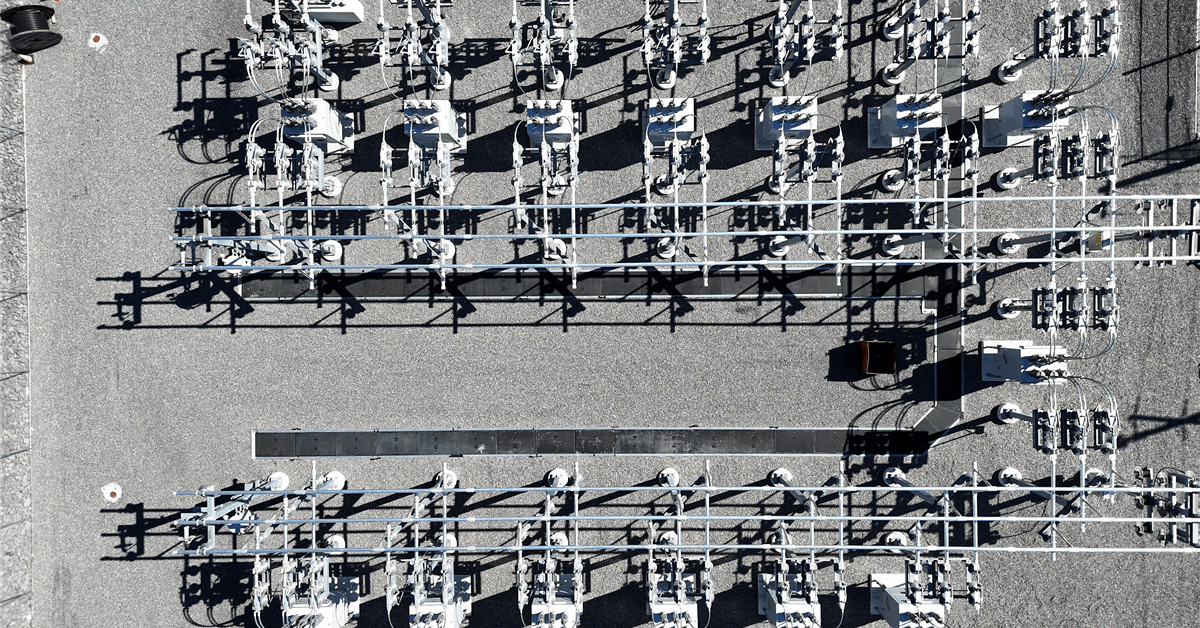
The energy investment landscape is increasingly defined by a complex interplay of infrastructure modernization, burgeoning demand, and volatile commodity markets. A prime example of this strategic pivot is Avangrid’s significant commitment to upgrading critical grid infrastructure, highlighted by the $122 million Meyer Substation project in Dansville, New York. This investment, part of a broader $20 billion grid modernization plan stretching to 2030, underscores a fundamental shift in energy priorities: ensuring reliability and expanding capacity to meet an escalating appetite for power, particularly from energy-intensive sectors like data centers. For oil and gas investors, understanding these foundational electricity infrastructure trends is crucial, as they directly influence long-term demand for natural gas in power generation and the broader stability of industrial energy consumption.
The Imperative of Grid Modernization and its Energy Implications
Avangrid’s decision to invest $122 million in the Meyer Substation upgrade is not merely a localized utility project; it’s a microcosm of the systemic challenges and opportunities facing the U.S. energy grid. The original substation, built in 1948, is nearing eight decades of service, a testament to the aging infrastructure that many parts of the nation depend on. The current project involves a complete rebuild and replacement of the transformer in Phase One, expected to be in service by 2026, followed by Phase Two starting in 2027 and completing in 2029, which will add two more transformers. This multi-phase, multi-year commitment speaks to the scale of the undertaking required to modernize assets that are critical for enhancing reliability against severe weather and, more importantly, addressing the surging energy demands of the future.
A key driver for this modernization, and one with significant implications for the broader energy sector, is the exponential growth of data centers. Avangrid currently supports data centers requiring 1.5 gigawatts of capacity, with an additional 650 megawatts already under construction. This massive, sustained demand for electricity translates directly into a higher base load for power generation. While renewable energy sources are expanding, natural gas remains a critical component of the baseload and peaking power supply, especially for maintaining grid stability and ensuring uninterrupted service to such vital facilities. Therefore, Avangrid’s investments, while focused on the electrical grid, inherently bolster the long-term demand outlook for natural gas as an essential fuel in the energy mix.
Decoding Current Market Volatility Amidst Macro Shifts
Against the backdrop of long-term infrastructure investment, the short-term volatility in the crude oil market serves as a stark reminder of the complexities investors navigate. As of today, Brent crude is trading at $90.38 per barrel, reflecting a notable decline of 9.07% within the day’s range of $86.08 to $98.97. Similarly, WTI crude has experienced a sharp correction, now at $82.59, down 9.41% from its daily high of $90.34. Gasoline prices are also feeling the pressure, currently at $2.93, a 5.18% drop. This significant daily downturn is not an isolated event; the 14-day trend for Brent crude shows a substantial decline of 18.5%, moving from $112.78 to $91.87.
Such pronounced price movements indicate a market grappling with shifting supply-demand dynamics, geopolitical uncertainties, or broader macroeconomic concerns. For investors in oil and gas, these swings highlight the importance of hedging strategies and a nuanced understanding of market sentiment. While the immediate focus might be on crude and refined product prices, the underlying demand for energy, spurred by developments like Avangrid’s grid expansion, provides a foundational layer of consumption that can help stabilize parts of the energy complex over the longer term, especially for natural gas and associated infrastructure plays.
Navigating Upcoming Catalysts and Investor Sentiment
OMC readers are keenly interested in the future trajectory of oil prices, with many asking what price per barrel they should expect by the end of 2026, and seeking clarity on OPEC+ production quotas. These questions are particularly pertinent as we approach critical market events in the coming weeks. This weekend brings the OPEC+ Joint Ministerial Monitoring Committee (JMMC) meeting on April 18th, followed by the full Ministerial meeting on April 19th. These gatherings are pivotal for understanding global supply-side dynamics. Any shifts in production policy will undoubtedly influence the very price forecasts our readers are seeking, potentially introducing further volatility or stability into the market.
Further insights into market fundamentals will arrive with the API and EIA Weekly Crude Inventory reports on April 21st and 22nd, respectively, and again on April 28th and 29th. These data points will provide a clearer picture of demand strength and inventory levels in the U.S., crucial metrics for short-term price movements. The Baker Hughes Rig Count, scheduled for release on April 24th and May 1st, will offer a pulse on U.S. drilling activity, indicating future supply potential from North American producers. While these events primarily impact crude oil, their outcomes cascade across the broader energy sector, influencing investor appetite for everything from exploration and production companies to midstream infrastructure. The long-term, structural demand growth seen in utility projects like Avangrid’s, driven by factors such as data center expansion, provides a powerful counterpoint to these short-term market fluctuations, affirming the enduring need for robust energy solutions.
Investment Horizons: Infrastructure, Data Centers, and the Energy Mix
Avangrid’s substantial $20 billion grid modernization plan by 2030, anchored by critical projects like the Meyer Substation upgrade, signals a massive and necessary capital deployment in energy infrastructure. This commitment, reinforced by parent company Iberdrola SA’s strategic view of the U.S. as a key investment priority, highlights a significant growth area for investors looking beyond traditional upstream oil and gas. While not directly oil production, these investments support the entire energy ecosystem. Enhanced grid capacity and reliability are essential for industrial growth, residential expansion, and the burgeoning digital economy, all of which consume vast amounts of energy.
The explicit mention of data centers driving new energy projects is a critical signal. As these digital infrastructure hubs expand, the demand for both renewable and reliable baseload power will only intensify. Natural gas, with its flexibility and lower emissions profile compared to other fossil fuels, is well-positioned to continue playing a significant role in meeting this demand, especially as grid stability becomes paramount. Investors should also consider the indirect demand created by such infrastructure projects: the need for steel, copper, and other industrial materials, whose production is often energy-intensive, creating further demand for oil and gas. Therefore, while crude oil markets may experience short-term turbulence, the fundamental demand for energy, bolstered by essential infrastructure upgrades and technological advancements like data centers, suggests a robust and evolving investment landscape across the entire energy value chain.


