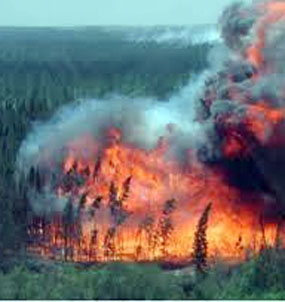
The specter of wildfires has once again descended upon Alberta, Canada’s premier energy province, sending a ripple of concern through global oil and gas markets. Recent hot weather conditions have ignited multiple blazes across the region, some dangerously close to vital upstream infrastructure, prompting investors to closely scrutinize potential impacts on crude oil and natural gas production.
As of late Monday afternoon, specifically 4:15 p.m., the province was battling four significant out-of-control wildfires. Of particular note is a substantial 2,000-hectare inferno raging near Swan Hills, a critical area for energy operations. The municipality has already issued a precautionary notice to its residents, advising them to be prepared for an evacuation order within an hour, underscoring the immediate and escalating threat posed by these blazes.
For energy market participants, the proximity of these fires to active production sites is the primary concern. The Swan Hills fire is situated less than half a kilometer from a well site operated by Canadian Natural Resources Ltd. (CNRL), one of the country’s largest independent crude oil and natural gas producers. Furthermore, this same fire is burning within a 20-kilometer (approximately 12-mile) radius of other well sites, encompassing both additional CNRL assets and facilities managed by other energy companies operating in the region. Such close proximity elevates the risk of operational disruptions, potential production curtailments, and logistical challenges for personnel and equipment.
Canadian Natural Resources Ltd. has acknowledged the situation, stating via email that it is actively monitoring the unfolding wildfire conditions across its extensive operational footprint. The company emphasized its commitment to ensuring the safety of its staff residing in or near potential evacuation zones and confirmed that robust emergency response plans are in place to address any contingencies. While official comment from Alberta Wildfire was not immediately available, the industry’s proactive stance highlights the seriousness of the situation.
Historical Precedent: The 2016 Fort McMurray Catastrophe
For seasoned energy investors, the current situation inevitably evokes memories of the devastating 2016 Fort McMurray wildfires. That catastrophic event, dubbed “The Beast,” serves as a stark reminder of the immense vulnerability of Alberta’s energy sector to natural disasters. Fort McMurray, the vital hub for Canada’s massive oil sands operations, suffered extensive damage, forcing the evacuation of tens of thousands of residents and workers. Critically, the blaze led to the temporary shutdown of over 1 million barrels per day (MMbbl/d) of crude oil output, sending shockwaves through global commodity markets and highlighting the fragility of supply chains.
The scale of the 2016 disruption demonstrated that even temporary production outages in a key supply region like Alberta can significantly tighten global crude markets and impact benchmark prices. The cost in terms of lost production, infrastructure damage, and extensive firefighting efforts was staggering. This historical context now informs investor risk assessments, prompting a more cautious outlook whenever wildfire threats emerge in the province.
Understanding Alberta’s Persistent Wildfire Risk
Wildfires represent a recurring and predictable challenge for Alberta’s energy sector, typically manifesting during a prolonged season that stretches from March through October. The province’s vast boreal forests, combined with dry conditions and often strong winds, create an environment highly susceptible to rapid fire spread. The extensive network of oil and gas infrastructure, including pipelines, well sites, processing facilities, and access roads, is interwoven with these natural landscapes, making it inherently vulnerable.
Climate change is also increasingly seen as an exacerbating factor, contributing to hotter, drier conditions and a longer, more intense fire season. This trend suggests that wildfire-related operational risks could become more frequent and severe in the coming years, requiring continuous adaptation and investment in mitigation strategies by energy companies and provincial authorities alike.
Market Implications and Investor Outlook
The immediate market reaction to wildfire threats is often characterized by heightened volatility in crude oil and natural gas prices, particularly for Western Canadian Select (WCS) and other regional benchmarks. Any perceived or actual threat to supply from a major producing region like Alberta can trigger speculative trading and prompt buyers to seek alternative sources, even if the actual production impact is yet to be quantified.
For investors holding positions in Canadian energy companies, particularly those with significant upstream assets in Alberta like CNRL, the situation warrants close monitoring. Beyond direct production curtailments, the financial implications can include increased operational costs for emergency response, potential damage to infrastructure requiring costly repairs, and business interruption losses. While companies maintain insurance policies for such events, the immediate operational and logistical hurdles can still weigh on quarterly earnings and investor sentiment.
Furthermore, these recurring risks influence longer-term investment decisions. Companies must allocate significant capital towards fire prevention, early detection systems, emergency preparedness, and building more resilient infrastructure. This adds to the cost of doing business in the region, a factor that is carefully considered by global portfolio managers evaluating the attractiveness of Canadian energy stocks relative to other investment opportunities.
Operational Resilience and Mitigation Strategies
The Canadian energy industry has learned valuable lessons from past wildfire events. Companies like CNRL have invested heavily in sophisticated monitoring systems, including ground-based sensors and aerial surveillance, to detect fires early. They also implement rigorous emergency response plans, which include procedures for safe and rapid facility shutdowns, personnel evacuation, and coordination with provincial firefighting agencies. Building fire breaks, maintaining clearings around critical infrastructure, and utilizing specialized firefighting equipment are now standard practices designed to protect assets and minimize operational downtime.
Despite these proactive measures, the sheer scale and unpredictable nature of wildfires mean that complete immunity from their impact is impossible. The current situation near Swan Hills serves as a timely reminder that even with advanced preparedness, the dynamic forces of nature can quickly escalate into a significant threat to energy supply and financial performance.
Conclusion for Energy Investors
As Alberta grapples with these latest wildfire outbreaks, the global energy market watches closely. The immediate proximity of a 2,000-hectare blaze to CNRL’s well sites and other operations near Swan Hills highlights the critical and ongoing risk to Canadian crude oil and natural gas production. While companies have robust emergency protocols in place and draw upon lessons from the devastating 2016 Fort McMurray fires, the potential for temporary supply disruptions and increased operational costs remains a tangible threat.
Investors in the Canadian energy sector must account for the persistent and intensifying risk of wildfires in their assessment of asset valuations and operational resilience. The unfolding situation underscores the dynamic nature of energy supply chains and the profound impact that environmental factors can have on commodity markets and the financial performance of upstream operators. Continuous monitoring of fire progression, company statements, and official provincial advisories will be crucial for navigating the potential market volatility in the coming days and weeks.