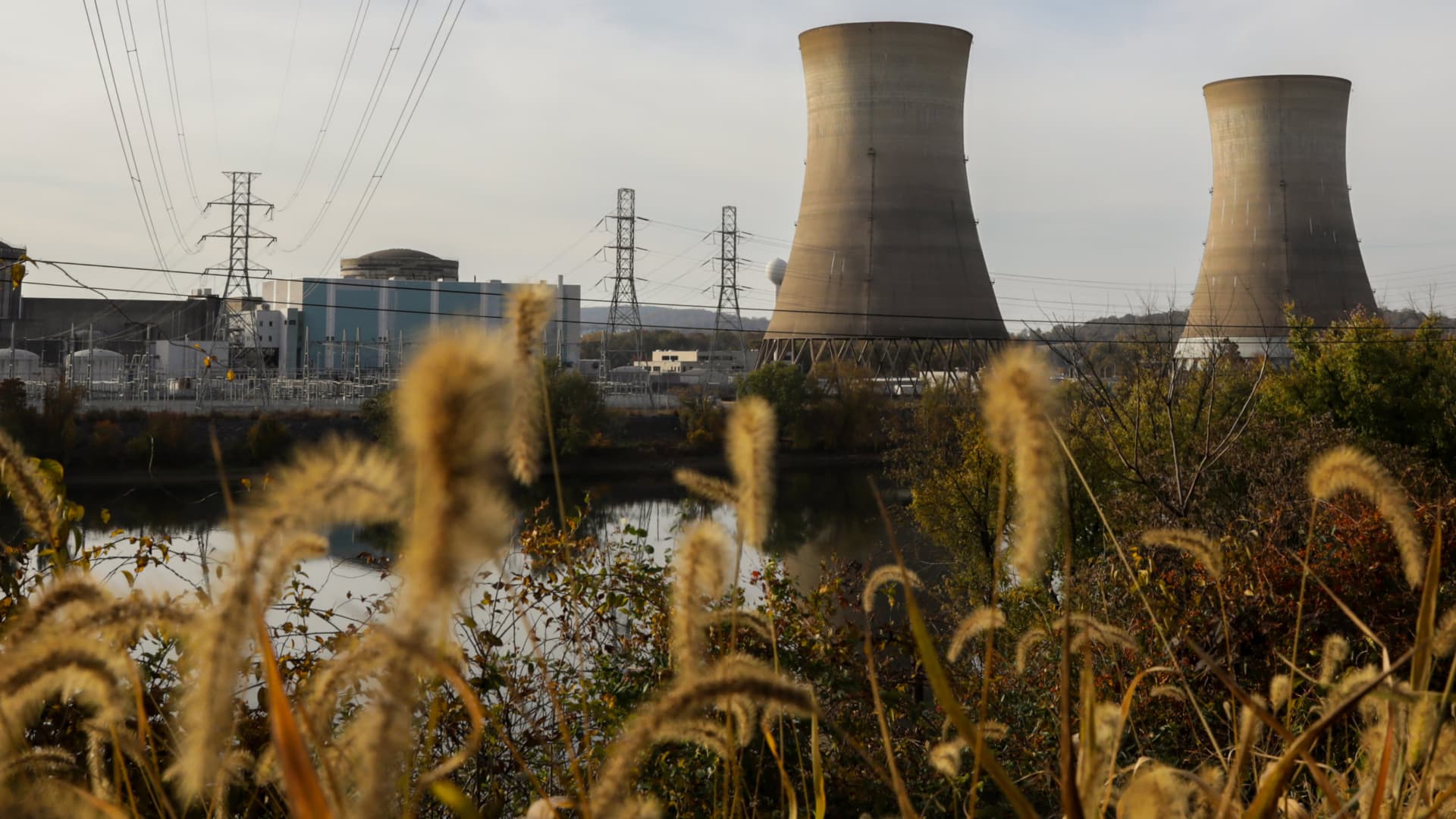
The artificial intelligence revolution is not just a technological marvel; it is an energy phenomenon of unprecedented scale. As AI capabilities expand, so too does its insatiable demand for electricity, raising critical questions for the oil and gas sector. Data centers, the physical manifestation of AI’s digital brain, already consume more than 4% of U.S. electricity, a figure projected to skyrocket to 12% by 2028. This represents a staggering 580 billion kilowatt hours annually, equivalent to nearly twenty times the power consumption of a major metropolis like Chicago. For investors focused on energy markets, this burgeoning demand is not merely a footnote; it is a structural shift that mandates a reassessment of long-term supply and price dynamics, particularly for natural gas and, by extension, crude oil.
The AI Power Surge: A New Demand Vector for Hydrocarbons?
The sheer scale and relentless nature of AI’s electricity demands pose unique challenges to existing power grids. Companies like Meta and Google are making massive investments, with Google alone committing $25 billion to data center development across 13 states. CoreWeave’s $6 billion project in Pennsylvania underscores the widespread nature of this buildout. What unites these endeavors is a non-negotiable requirement for 24/7, highly reliable power. While renewable sources like hydro, wind, and solar are part of the energy mix, their intermittency means they cannot independently meet the continuous, high-load demands of data centers. This is where dispatchable, baseload power sources become indispensable. Natural gas, with its rapid ramp-up capabilities, lower emissions profile compared to coal, and existing infrastructure, is uniquely positioned to fill this reliability gap. The rapid expansion of data centers will necessitate significant investment not only in new power generation capacity but also in the transmission and distribution infrastructure to deliver that power consistently and affordably.
Grid Stress and Investment Opportunities: A Look at Current Market Dynamics
The urgency of securing reliable power for AI data centers is already impacting grid stability and electricity prices. States like Washington, despite a strong hydroelectric base, face increasing challenges from climate-intensified storms impacting consistency. New Mexico is aggressively pursuing wind and solar, coupled with grid modernization efforts like smart meters, to better balance supply and demand. However, the underlying need for firm, reliable power remains. As of today, Brent Crude trades at $94.85, reflecting a slight daily dip, but notably, the benchmark has seen a significant decline from $102.22 on March 25th to $93.22 on April 14th, a drop of nearly 8.8% in just two weeks. This recent bearish trend in crude prices could be offset by the emerging, structural demand from the power sector. The massive electricity requirements of AI are likely to create upward pressure on natural gas prices, which could indirectly support crude by reducing the incentive for gas-to-oil switching in other sectors, or simply by tightening the overall energy market. Investors should evaluate oil and gas companies with strong natural gas portfolios, especially those operating in regions with robust grid infrastructure and a growing footprint of data centers.
Forward-Looking Catalysts: OPEC+, Rig Counts, and the Demand Outlook
The next few weeks present several critical data points that will further shape the energy market’s response to this evolving demand landscape. The Baker Hughes Rig Count, scheduled for April 17th and April 24th, will offer crucial insights into North American drilling activity, particularly for natural gas. A sustained increase in gas-focused rigs would signal the industry’s response to anticipated demand, but the lead time for new production means near-term price support. Internationally, the upcoming OPEC+ Joint Ministerial Monitoring Committee (JMMC) meeting on April 18th, followed by the Full Ministerial meeting on April 20th, will be paramount. While these meetings primarily focus on crude oil production quotas, the broader energy demand picture, including the significant electricity requirements for AI, will undoubtedly be part of their strategic considerations. Will OPEC+ factor in this new, structural demand when deliberating future output levels, potentially maintaining tighter supply to capitalize on a strengthening demand outlook? Furthermore, weekly data from the API and EIA, with crude inventory reports due on April 21st and 22nd (and again on April 28th and 29th), will continue to serve as immediate barometers of supply-demand balances, eventually reflecting the impact of this AI-driven energy consumption surge.
Investor Sentiment: Pricing in the AI Energy Revolution
Our proprietary reader intent data reveals that investors are keenly focused on forecasting future crude prices, with recurring questions about “a base-case Brent price forecast for next quarter” and the “consensus 2026 Brent forecast.” The advent of AI data centers as a major new electricity consumer introduces a bullish component that was not fully accounted for in previous models. This emerging demand profile suggests that the “long-term demand destruction” narrative, often associated with energy transition, may be significantly challenged or at least delayed. Instead, we are witnessing a substantial new demand source, primarily for natural gas, which will necessitate sustained investment in exploration, production, and infrastructure. Companies with diverse portfolios, including significant natural gas assets and exposure to power generation, are particularly well-positioned. While global factors like Chinese refinery runs and Asian LNG spot prices remain relevant, the domestic U.S. electricity demand for AI represents a powerful, compounding force that will increasingly influence energy markets and investor strategies for years to come. Ignoring this rapidly accelerating demand would be a critical oversight for any serious energy investor.