The energy landscape is undergoing a profound transformation, driven by an unlikely yet powerful catalyst: Artificial Intelligence. As the world grapples with the dual challenges of energy security and decarbonization, the ravenous electricity demands of AI data centers are creating an unprecedented imperative for stable, high-density power generation. This surging demand has reignited interest in a long-dormant sector, propelling advanced nuclear energy technologies, particularly small modular reactors (SMRs), back into the investment spotlight. For oil and gas investors, understanding this seismic shift is crucial, as it introduces new dynamics into the broader energy mix and long-term commodity outlook.
AI’s Insatiable Appetite Fuels Nuclear’s Renaissance
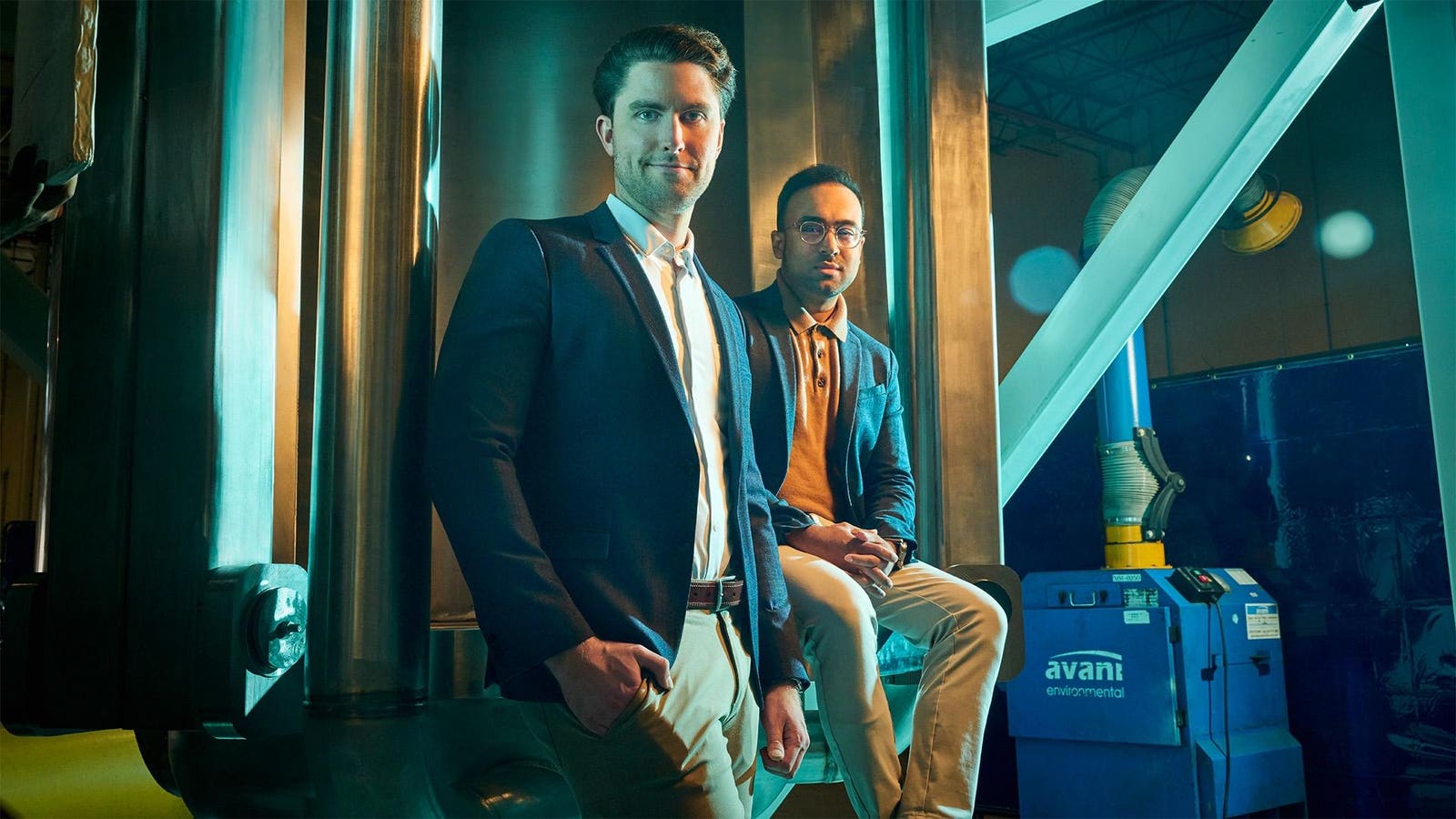
The core driver behind nuclear’s renewed profitability narrative is the staggering power consumption of AI infrastructure. Data centers, the backbone of the AI boom, require immense and uninterrupted electricity supplies. Traditional energy sources struggle to meet this scale and reliability. Enter advanced nuclear reactors, which offer a carbon-free, always-on power solution. Ventures like Aalo Atomics, operating from a 40,000-square-foot facility in Austin, Texas, are at the forefront of this movement. Co-founder and CEO Matt Loszak’s vision involves manufacturing 10-megawatt (MW) nuclear fission reactor units, with five such units combining to power a single 50 MW electric turbine. This output is sufficient to run a large data-processing center or serve 45,000 homes, underscoring the direct link between AI’s growth and the demand for innovative nuclear solutions.
Aalo Atomics has already broken ground on a two-acre site at the Department of Energy’s Idaho National Laboratory, targeting “criticality” by July 4, 2026. This aggressive timeline, aligned with a presidential deadline for proving advanced reactor designs, highlights the urgency and political support behind these initiatives. While achieving criticality is a significant milestone, it’s merely the first step. The subsequent phases involve building out manufacturing capabilities, securing a robust supply chain, onboarding data center customers, and obtaining crucial final approval from the Nuclear Regulatory Commission (NRC). Loszak’s plans for a gigafactory and the hiring of talent from high-efficiency manufacturing backgrounds, such as SpaceX’s Falcon 9 operation, signals an ambition to scale production and drive down costs, mirroring the disruptive strategies seen in other high-tech sectors. Electricity production is optimistically slated for 2027, a timeline that, if achieved, could fundamentally alter the energy supply landscape for technology giants.
Navigating Volatile Markets: The Oil & Gas Perspective
While the long-term energy transition narrative gains momentum, the traditional oil and gas sector continues to exhibit significant short-term volatility. As of today, Brent crude trades at $90.93, marking a notable 8.51% decline from its intraday high, with WTI similarly down 8.77% at $83.17. This sharp daily reversal comes amidst a broader downtrend; Brent has shed $14, or 12.4%, over the past two weeks, dropping from $112.57 on March 27th to $98.57 on April 16th. Gasoline prices reflect this instability, currently at $2.94 per gallon, down 4.85% today. Such fluctuations underscore the persistent influence of geopolitical events, inventory data, and global economic sentiment on crude and refined product markets.
For investors accustomed to these dynamics, the emergence of advanced nuclear as a viable, scalable power source adds another layer of complexity to their investment thesis. While nuclear won’t immediately displace fossil fuels, its long-term potential to provide stable, carbon-free baseload power for industrial and data center applications could gradually shift demand patterns. This creates a challenging environment for integrated energy companies, prompting questions from our readership about how these firms will adapt. The volatility in traditional commodity markets serves as a stark contrast to the envisioned stability and predictability of nuclear power generation once these advanced reactors become operational.
Political Momentum and the Road Ahead for Advanced Reactors
The push for advanced nuclear technology is not solely driven by market demand; it also enjoys significant political backing. The source article highlights the “favoritism from Trump,” evidenced by the July 4, 2026, deadline for at least three U.S. startups to demonstrate functional advanced nuclear reactor designs. This political impetus provides a critical tailwind, potentially streamlining regulatory processes and attracting further investment into the sector. However, the path from prototype to commercial operation remains arduous. Even after achieving criticality, companies like Aalo Atomics face a gauntlet of challenges. Establishing a robust manufacturing infrastructure and a reliable supply chain of vendors is paramount. Furthermore, securing off-take agreements with major data center clients and, critically, obtaining final approval from the Nuclear Regulatory Commission (NRC) are hurdles that demand meticulous planning and execution.
The ambition to produce electricity by 2027 is aggressive but reflects the urgency of the AI power demand. The successful deployment of these small, prefabricated reactors, which can power individual data centers or feed into the larger electrical grid, hinges on overcoming these operational and regulatory complexities. The “Holy Grail product” Loszak envisions is not just about producing power; it’s about doing so efficiently, affordably, and at scale. This requires a paradigm shift in reactor design, manufacturing, and deployment, moving away from the bespoke, multi-decade projects of the past towards standardized, factory-built units. This industrialized approach, if successful, could unlock significant investment opportunities in the nuclear supply chain and related infrastructure.
Investor Focus: Long-Term Vision Amidst Short-Term Swings
Our proprietary reader intent data reveals a keen investor interest in navigating current market volatility alongside emerging long-term trends. Questions such as “what do you predict the price of oil per barrel will be by end of 2026?” underscore the constant need for forward-looking analysis in traditional energy. While forecasting oil prices involves myriad variables, the burgeoning demand for nuclear power driven by AI introduces a significant, albeit longer-term, factor into the global energy equation. Upcoming events will heavily influence near-term oil market sentiment: the OPEC+ Joint Ministerial Monitoring Committee (JMMC) meeting today, April 17th, followed by the Full Ministerial meeting tomorrow, April 18th, are critical for understanding production quotas and potential supply adjustments. Weekly data releases, such as the API Crude Inventory on April 21st and the EIA Weekly Petroleum Status Report on April 22nd, will also provide immediate insights into inventory levels and demand trends.
However, the strategic imperative to diversify energy portfolios is becoming increasingly clear. While oil and gas will remain central to the global economy for the foreseeable future, the secular trend towards stable, carbon-free baseload power for high-demand sectors like AI cannot be ignored. Investors asking about integrated energy companies, such as “How well do you think Repsol will end in April 2026?”, are implicitly seeking to understand how these firms will adapt to both short-term commodity price swings and the longer-term energy transition. The multi-year development cycles for advanced nuclear projects, with initial electricity production expected by 2027, demand a patient, strategic investment horizon. This contrasts sharply with the immediate, event-driven reactions common in oil markets, suggesting a growing divergence in investment strategies for different segments of the energy sector.