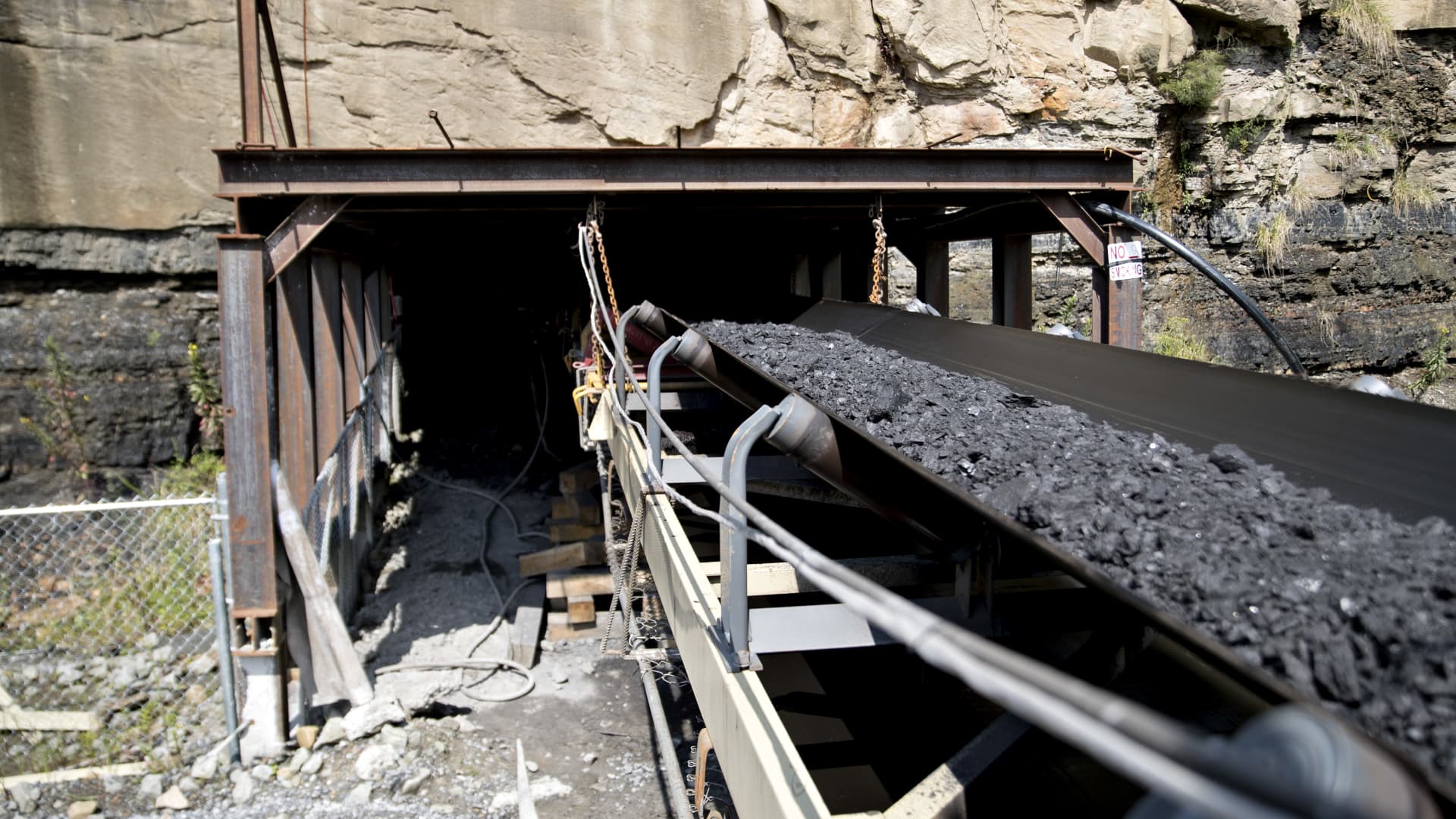
The energy landscape is constantly evolving, but few would have predicted that the burgeoning artificial intelligence revolution would offer an unexpected lifeline to an industry long considered to be in terminal decline: thermal coal. For years, environmental concerns and the rise of cheaper natural gas pushed coal’s contribution to the U.S. power grid to historical lows. Yet, a dramatic surge in electricity demand, primarily driven by the insatiable appetite of new AI data centers, is now forcing a critical re-evaluation of coal’s role and, by extension, the investment potential of its producers. This shift represents a fascinating dynamic where the ‘old economy’ is finding renewed relevance through the demands of the hyper-modern.
AI’s Voracious Appetite: A New Driver for Baseload Power
Artificial intelligence, with its massive computational requirements, necessitates an equally massive and reliable power supply. Data centers, the physical infrastructure of the AI boom, consume vast amounts of electricity, often requiring continuous, high-capacity baseload generation. This fundamental need is now translating into tangible demand for thermal coal. Our internal analysis, reflecting recent market observations, indicates that thermal coal demand has seen a significant increase of 15% over the past year. This uptick marks a stark reversal from a sustained period of decline, where U.S. coal consumption plummeted from an annual average of one billion tons between 2003 and 2008 to just under 400 million tons by 2023-2024. The current trajectory suggests that coal, often sidelined by natural gas, is now actively reclaiming market share as utilities prioritize grid stability and cost-effective power to fuel the burgeoning AI infrastructure.
Re-evaluating Coal Miners: Opportunities in an Emerging Upgrade Cycle
This structural shift in demand is creating compelling investment opportunities within the thermal coal sector. Companies that were once struggling are now seeing their outlooks improve, leading to notable analyst upgrades. For instance, Core Natural Resources has recently seen its price target elevated by 40% to $125 per share, indicating a potential upside of 28% from recent trading levels. Similarly, Peabody Energy’s target has been increased by 24% to $42 per share, offering investors a potential gain of over 30%. This suggests we are entering an early phase of re-evaluation for thermal coal producers, potentially signaling a new cycle of earnings upgrades and equity re-ratings. Our proprietary reader intent data shows that investors are increasingly asking about undervalued assets and sectors poised for a comeback, making these coal plays particularly relevant for those looking for contrarian opportunities within the broader energy complex.
Navigating Broader Energy Markets Amidst Coal’s Comeback
While the coal sector finds an unexpected tailwind, the broader energy market continues to exhibit volatility, creating a complex backdrop for investors. As of today’s market snapshot (April 19, 2026), Brent Crude trades at $90.38 per barrel, experiencing a significant decline of 9.07% within the day’s range of $86.08 to $98.97. Similarly, WTI Crude stands at $82.59, down 9.41% for the day, having traded between $78.97 and $90.34. This sharp daily drop extends a trend, with Brent having fallen nearly 20% from $112.78 on March 30 to its current level. This pronounced downward pressure on crude prices highlights ongoing macro uncertainties, even as specific segments like thermal coal show strength. Investors are keenly watching global oil supply dynamics, evidenced by recent questions around OPEC+ production quotas and predictions for crude prices by the end of 2026.
Looking ahead, the upcoming energy calendar presents several key events that could influence the broader market and indirectly impact coal’s competitive position. The OPEC+ Joint Ministerial Monitoring Committee (JMMC) meeting on April 19, followed by the full OPEC+ Ministerial Meeting on April 20, will be critical for global oil supply policy. Any adjustments could ripple through the natural gas market, which directly competes with coal for power generation. Furthermore, the EIA Weekly Petroleum Status Reports (April 22 and 29) will offer insights into overall energy demand and supply health, while the Baker Hughes Rig Count (April 24 and May 1) will signal future upstream activity, particularly for natural gas. These macro indicators, while not directly addressing coal, paint a picture of the competitive environment in which thermal coal is now finding its footing, demonstrating its resilience even as other fossil fuels face headwinds.
The Path Forward: Strategic Positioning in a Re-energized Sector
The resurgence of thermal coal, driven by the surging power demands of AI, presents a unique strategic consideration for energy investors. While environmental considerations and regulatory pressures remain enduring challenges for the industry, the undeniable need for reliable, baseload electricity generation is creating a powerful counter-narrative. This structural demand shift, coupled with the potential for an earnings upgrade cycle and equity re-rating for coal miners, positions the sector as a potentially attractive, albeit unconventional, investment avenue. Investors should monitor power demand trends, the pace of AI data center expansion, and the ongoing competition with natural gas. For those willing to look beyond traditional narratives, the coal industry, powered by the future of technology, might just offer compelling long-term value.