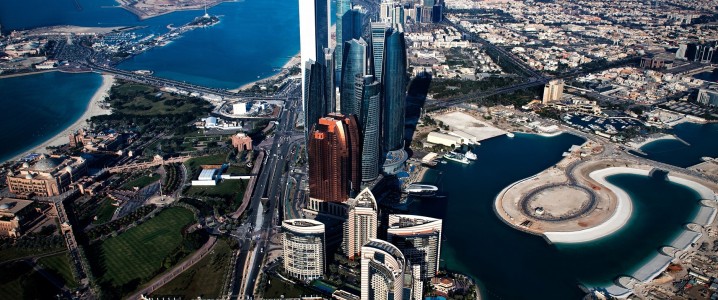
A significant $1 billion investment by Abu Dhabi-based Global South Utilities (GSU), a subsidiary of Resources Investment, into Yemen’s clean energy infrastructure signals a pivotal shift in regional energy strategy and offers compelling insights for global investors. This substantial commitment aims to expand solar, wind, and distribution networks, fundamentally reshaping Yemen’s energy landscape and reducing its reliance on imported fuels. For astute investors monitoring the evolving energy transition, this move by a major Gulf player into a traditionally hydrocarbon-centric region, particularly one with complex geopolitical dynamics, presents a fascinating case study in strategic diversification and long-term value creation beyond conventional oil and gas plays.
Strategic Diversification Amidst Crude Volatility
The $1 billion clean energy portfolio in Yemen, spearheaded by GSU, represents a calculated long-term play, especially when viewed against the backdrop of fluctuating global crude markets. As of today, Brent crude trades at $90.75, reflecting an 8.69% daily decline and a significant drop from its $112.57 perch just three weeks prior on March 27th. WTI crude similarly stands at $83.12, down 8.83% for the day. This inherent volatility in hydrocarbon prices underscores the strategic imperative for nations and energy firms to diversify their portfolios and build energy resilience. For Abu Dhabi, a key global oil producer, funding such a substantial clean energy initiative in a neighboring country can be interpreted as a dual strategy: leveraging current fossil fuel strength while actively investing in the future of sustainable energy infrastructure, thereby mitigating future commodity price risks and fostering regional stability. The expansion, including the operational 53-megawatt Shabwah Solar Power Plant with its 15 MWh battery storage system, and the ongoing upgrade of the Aden Solar Power Plant to 240 megawatts by 2026, exemplify tangible progress in this diversification.
Navigating Future Energy Markets: Implications for 2026 and Beyond
Investors are consistently seeking clarity on future oil price trajectories, with a common inquiry being the predicted price of oil per barrel by the end of 2026. This $1 billion clean energy investment, originating from a core OPEC+ nation, offers a powerful signal that even as global oil demand remains robust, strategic capital is increasingly flowing into renewable alternatives. The commitment to deliver clean electricity to over one million homes in Aden and Shabwah by 2026, coinciding with the Aden plant’s full expansion, highlights a forward-looking vision that anticipates a more diversified energy mix. While the immediate future of crude prices will undoubtedly be influenced by production quotas – a topic frequently asked by our readers regarding OPEC+ policy – the long-term investment horizon for major regional players clearly extends beyond hydrocarbons. This dual approach acknowledges the enduring role of oil while aggressively building out future-proof energy infrastructure, providing critical energy security and reducing reliance on imported fuels, thereby insulating nascent economies from global price shocks.
Key Milestones and Market Events to Monitor
The development timeline for the Yemeni clean energy projects, particularly the 2026 completion target for the Aden Solar Power Plant’s expansion, provides a concrete long-term marker for investors. However, the broader energy market context remains dynamic and influenced by a series of upcoming events critical for short-to-medium term sentiment. As the OPEC+ Joint Ministerial Monitoring Committee (JMMC) convenes on April 17th, followed by the full Ministerial meeting on April 18th, market participants will be keenly observing for any adjustments to current production quotas. These decisions directly impact global crude supply and, consequently, price stability. Furthermore, the regular cadence of market data, including the API Weekly Crude Inventory reports on April 21st and 28th, and the EIA Weekly Petroleum Status Reports on April 22nd and 29th, will offer crucial insights into current supply-demand balances. These short-term indicators, alongside the Baker Hughes Rig Count on April 24th and May 1st, collectively paint a picture of the immediate hydrocarbon landscape that can influence the appetite for, and funding of, long-term renewable projects, even those with strategic backing.
Investment Opportunities in Emerging Clean Energy Infrastructure
GSU’s stated mission to deliver sustainable, reliable, and affordable energy and water infrastructure to the Global South is vividly demonstrated by this Yemen initiative. This isn’t merely a development project; it’s a significant investment in critical infrastructure that lays the groundwork for economic growth and stability. The focus extends beyond generation capacity, with substantial investment in distribution networks designed to directly reach and empower communities. Investors with an eye on emerging markets and the accelerating global energy transition should recognize the potential in companies and funds facilitating such large-scale, integrated clean energy solutions. The UAE’s broader commitment to “empower communities through integrated clean energy solutions” suggests a regional strategy that will likely see more such investments. For those looking beyond traditional upstream and midstream oil & gas, identifying firms with GSU’s expertise in developing and operating renewable assets in challenging but high-potential geographies could unlock significant long-term value as the energy landscape continues its dramatic evolution.


