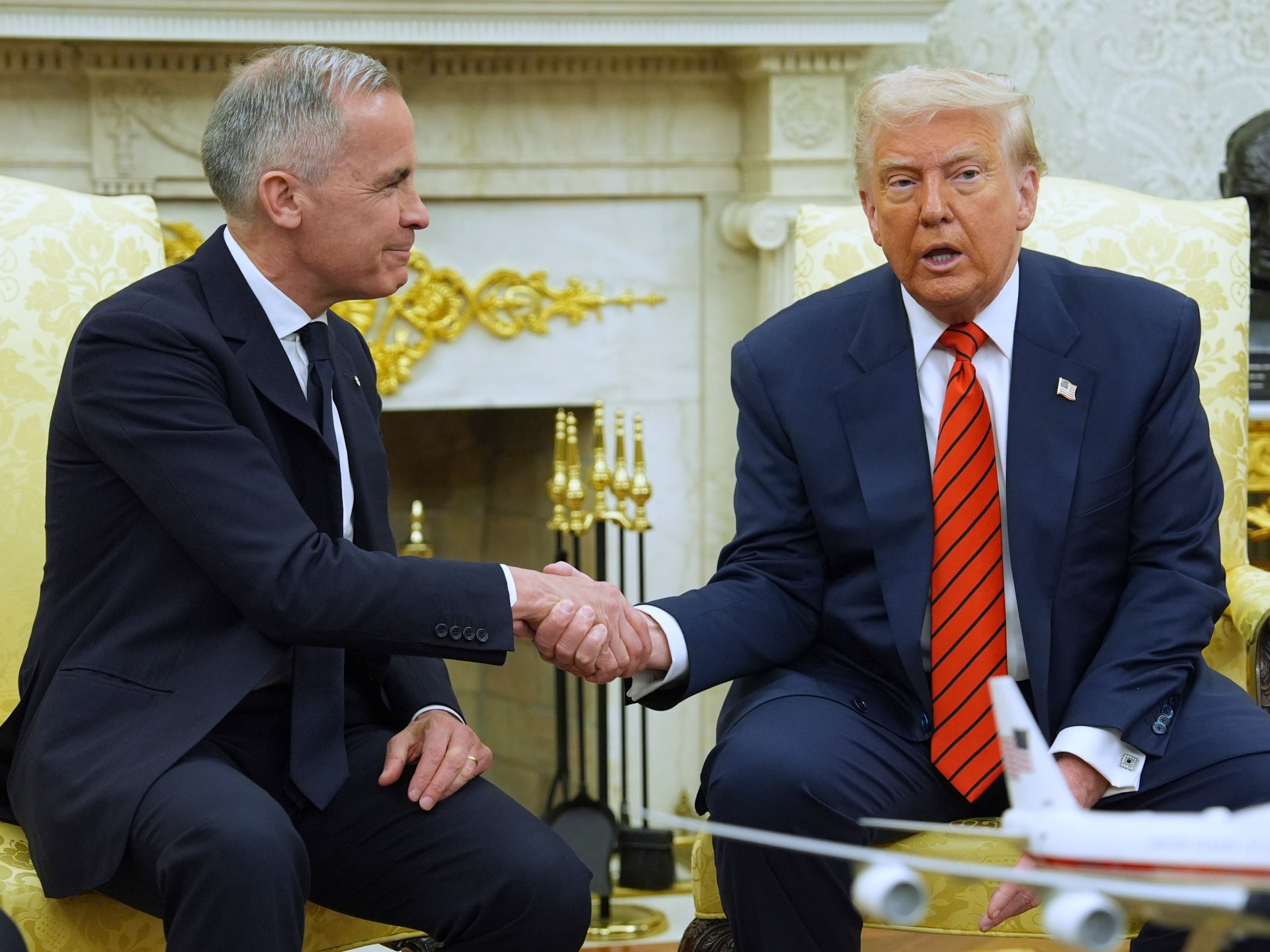
The recent high-level discussions between Canadian Prime Minister Mark Carney and U.S. President Donald Trump in the White House have sent ripples across the North American energy investment landscape. This pivotal meeting, following a period of heightened cross-border tensions, offered crucial insights for investors into the trajectory of trade relations, the potential for tariffs, and, critically, the future of integrated oil and gas infrastructure, particularly major pipeline projects. For stakeholders eyeing opportunities in the continent’s robust energy sector, understanding the nuances of this political interplay is paramount for strategic capital allocation.
Navigating Sovereignty and Integration in North American Energy
On Tuesday, May 6, President Trump reiterated his vision for Canada’s deeper economic integration with its southern neighbor. However, Prime Minister Carney firmly asserted Canadian sovereignty, delivering a memorable retort: “As you know from real estate, there are some places that are never for sale.” He underscored this commitment by referencing his recent electoral mandate, emphasizing that the “owners of Canada” had expressed their definitive will. For energy investors, Carney’s resolute stance on national autonomy signals a clear and potentially formidable negotiating position on future cross-border energy projects and regulatory frameworks. This posture could significantly influence long-term capital allocation decisions within the Canadian oil and gas sector, particularly concerning market access and infrastructure development.
Canadian Elections and Their Energy Policy Ramifications
Prime Minister Carney’s visit occurred just over a week after Canada’s federal elections on April 28, an electoral cycle significantly shaped by U.S. political dynamics. While affordability and the cost of living dominated voter concerns, an Ipsos survey conducted in April revealed that a substantial 24 percent of respondents viewed Canada’s increasingly strained relationship with the United States as a leading issue. This public sentiment directly translates into the political will governing future energy policy and crucial infrastructure development, impacting everything from environmental assessments to project approvals for oil and gas ventures.
A separate Ipsos poll highlighted a critical factor for investors: more voters explicitly trusted Prime Minister Carney to manage relations with President Trump than any other candidate. This public confidence propelled his centre-left Liberal Party to a fourth consecutive federal election victory, securing 169 seats out of 343. This outcome allows the Liberals to form a minority government, affirming Carney’s position as Prime Minister despite being characterized as a political newcomer in the context of these specific cross-border negotiations. For oil and gas stakeholders, a leader with a clear mandate to navigate complex U.S. relations provides a degree of predictability, which is essential for evaluating the risks and rewards of significant capital expenditures in the Canadian energy sector, including vital pipeline capacity expansion and market access initiatives.
Investor Confidence Amidst Evolving Cross-Border Energy Dynamics
President Trump’s second term, which commenced in January, significantly influenced Canadian voter sentiment. His proposals for Canada to become the 51st U.S. state and aggressive tariff policies deeply alienated many Canadians, fostering a perception that the historically close ties between the two nations were under threat. This erosion of trust and the rise of nationalist sentiment in Canada introduce new layers of geopolitical risk for investors in the integrated North American energy market.
The implications for cross-border energy projects are substantial. Aggressive trade rhetoric and the prospect of tariffs could increase project costs, introduce supply chain uncertainties, and diminish the economic viability of new pipeline infrastructure. Investors must now factor in a higher political risk premium when evaluating projects that rely on seamless cross-border movement of crude oil, natural gas, or refined products. The long-term stability and predictability of regulatory environments, once a cornerstone of North American energy investment, now appear more fluid.
For those deploying capital in the Canadian oil and gas sector, the emphasis on national autonomy articulated by Prime Minister Carney suggests a more assertive stance in future negotiations over shared resources and infrastructure. This could translate into more stringent domestic requirements for projects, potentially affecting timelines and profitability. Conversely, a clear, domestically supported mandate to manage U.S. relations might also lead to more stable, albeit perhaps slower, progress on critical energy files once initial negotiating positions are established. Investors should closely monitor bilateral trade discussions, regulatory developments on both sides of the border, and public sentiment to accurately assess the evolving risk and reward profile for integrated North American energy assets.
Ultimately, the recent political developments underscore the importance of a nuanced, long-term perspective for energy investors. While the foundational demand for North American hydrocarbons remains robust, the political and regulatory frameworks governing their extraction, transportation, and market access are undergoing significant transformation. Strategic investors will need to carefully weigh geopolitical risks against potential returns, prioritizing projects with strong local support and resilient economics in a landscape defined by shifting political tides and a renewed focus on national interests.