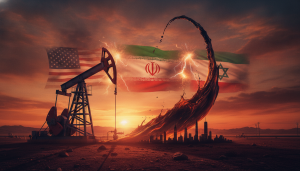
Oil & gas investors are facing an increasingly perilous market landscape, as a recent stark warning from the International Energy Agency (IEA) signals an impending “red zone” for global crude markets. This critical assessment, delivered by IEA Executive Director Fatih Birol, highlights the acute vulnerability of the world’s energy supply chain, particularly amidst dwindling strategic reserves and an anticipated surge in seasonal demand.
Birol’s cautionary remarks underscore a precarious balance, where geopolitical instability, constrained supply routes, and robust consumption patterns converge to create a high-stakes environment. For investors, understanding the drivers and potential implications of this forecast is paramount for navigating the volatile months ahead.
The Strait of Hormuz: A Non-Negotiable Lifeline
Central to the IEA’s grave prognosis is the pivotal role of the Strait of Hormuz. At a high-level Chatham House session focused on the Strait of Hormuz crisis and global energy security, Birol unequivocally declared that the single most critical intervention to mitigate the ongoing geopolitical energy shock, stemming from the Iran conflict, is the full and unconditional reopening of this strategically vital maritime passage. This declaration is not merely a diplomatic plea; it is an economic imperative that resonates deeply within global energy trading circuits.
The Strait of Hormuz, a narrow waterway connecting the Persian Gulf with the Arabian Sea, serves as the world’s most crucial oil transit chokepoint. An estimated one-fifth of global oil consumption, alongside a significant portion of liquefied natural gas (LNG), transits through this channel daily. Any disruption, restriction, or perceived threat to navigation in the Strait sends immediate shockwaves through crude futures markets, influencing everything from Brent and WTI benchmarks to regional refined product prices. For energy companies and their investors, the stability of this waterway directly translates into supply security, price predictability, and ultimately, profitability.
Dwindling Stockpiles Meet Surging Summer Demand
The IEA’s “red zone” warning is compounded by a perilous confluence of market fundamentals: a sustained drawdown in global oil stockpiles and an anticipated spike in demand during the peak summer travel season. Global crude inventories have been under pressure for an extended period, reflecting a market that has often struggled to keep pace with resilient demand, even amid macroeconomic headwinds. Strategic petroleum reserves in various nations, once seen as a robust buffer against supply shocks, have also seen significant drawdowns, leaving less immediate capacity to counteract sudden supply disruptions.
As Northern Hemisphere summer approaches, the perennial uptick in travel, particularly by air and road, traditionally fuels a robust increase in gasoline and jet fuel consumption. This seasonal demand surge, when juxtaposed with already tight supply conditions and diminishing reserves, creates a highly sensitive market. Without significant new crude supply coming online, especially from key Middle Eastern producers, the market’s ability to absorb any shocks related to the Strait of Hormuz or other regional instabilities becomes severely compromised. Investors must monitor weekly inventory reports and demand forecasts with heightened scrutiny, as these indicators will provide real-time insights into the market’s trajectory towards or away from the “red zone.”
Understanding the “Red Zone”: Implications for Investors
While Birol did not elaborate further on the precise characteristics of this “red zone,” an expert oil and gas financial journalist understands its implications are severe. For investors, entering such a zone in July or August would likely translate into:
- Extreme Price Volatility: Crude benchmarks could experience rapid and significant price spikes, driven by panic buying and speculative activity. Conversely, any perceived de-escalation could trigger sharp pullbacks, creating a whiplash effect for trading strategies.
- Supply Security Concerns: Companies reliant on consistent crude inputs, particularly refiners, would face escalating procurement costs and potential operational disruptions. This could impact their margins and overall profitability.
- Geopolitical Risk Premium: The underlying geopolitical risk in the Middle East would see a substantial escalation, leading investors to price in a higher “risk premium” across all energy assets.
- Inflationary Pressures: Higher oil prices would inevitably feed into broader inflationary pressures across global economies, potentially influencing central bank policy and consumer spending patterns.
- Equity Market Repercussions: While exploration and production (E&P) companies might initially benefit from higher crude prices, prolonged instability and demand destruction fears could temper enthusiasm. Downstream sectors, conversely, could face significant headwinds.
Navigating the Energy Landscape: An Investor Outlook
The IEA’s warning is not merely an academic forecast; it is a call to action for market participants. The convergence of persistent global inventory declines, accelerating summer demand profiles, and the unresolved geopolitical situation surrounding the Strait of Hormuz sets the stage for a potentially turbulent second half of the year. Should the critical maritime artery remain restricted and absent any significant incremental crude supply from the Middle East, the market’s entry into this perilous “red zone” appears increasingly probable.
Investors in the oil and gas sector must adopt a proactive and risk-averse posture. Diversification, hedging strategies, and a keen eye on geopolitical developments will be crucial. Monitoring official statements from OPEC+, the IEA, and major producing nations regarding supply interventions will provide vital clues. Furthermore, assessing the resilience of individual energy companies to withstand price shocks and supply chain disruptions will be paramount in distinguishing potential winners from losers in a rapidly evolving market. The coming months promise to be a true test of market stability, with the Strait of Hormuz remaining the eye of the storm for global energy security.