Geopolitical Tensions Drive Volatility: Hormuz Reopening Remains Elusive Despite High-Level Diplomacy
The global energy landscape remains acutely sensitive to geopolitical shifts, particularly concerning the vital Strait of Hormuz. Recent high-stakes discussions between U.S. President Donald Trump and Chinese President Xi Jinping have brought the chokepoint’s future into sharper focus for investors, though concrete solutions for its full reopening remain stalled amidst persistent maritime security concerns and Iran’s unwavering demands. Market participants are closely monitoring these developments, recognizing the profound implications for crude oil and liquefied natural gas (LNG) flows worldwide.
Diplomatic Efforts Intensify Amidst Energy Supply Fears
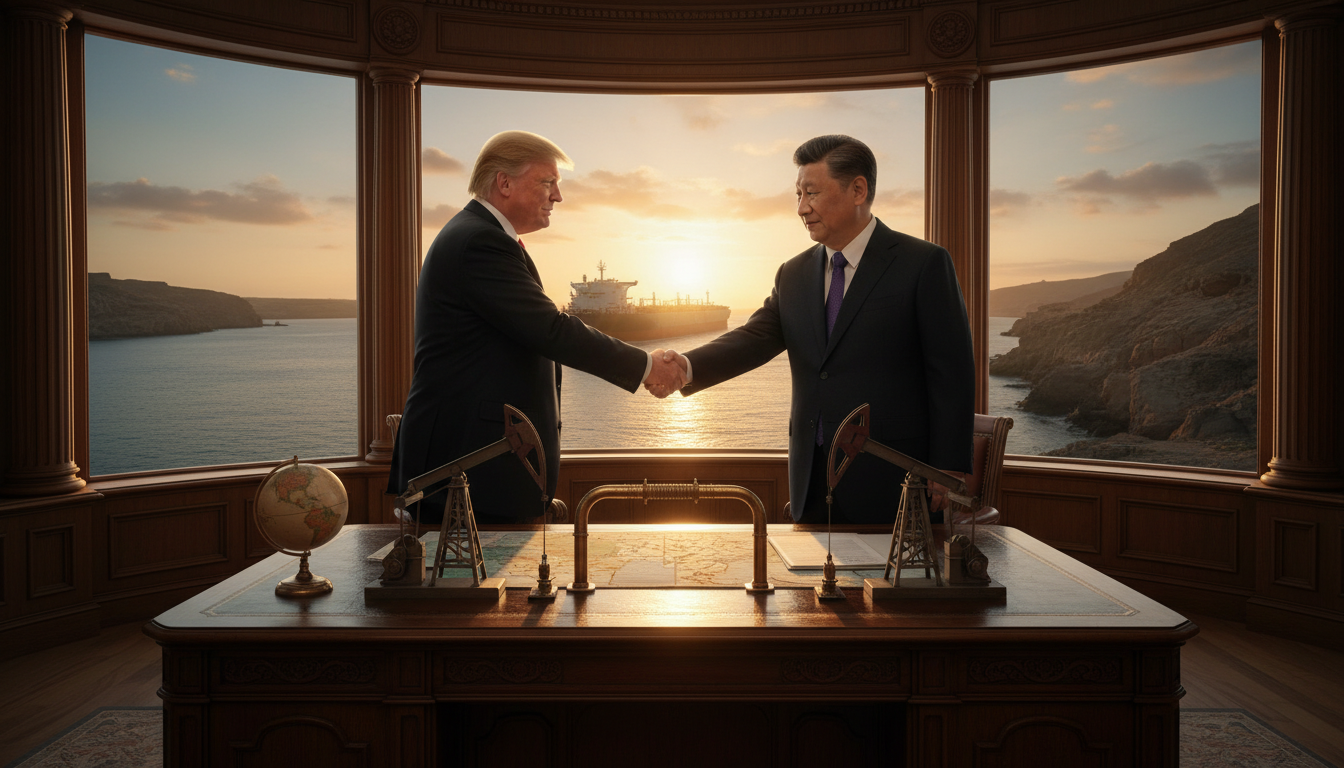
During a pivotal visit to Beijing, President Trump indicated that his Chinese counterpart, Xi Jinping, expressed support for diplomatic initiatives aimed at restoring unimpeded navigation through the Strait of Hormuz. Trump relayed Xi’s stated interest in assisting efforts to broker a resolution to the ongoing conflict involving Iran. “He would like to see a deal made,” Trump was quoted as saying, adding, “If I can be of any help at all, I would like to be of help.” While the White House confirmed that both leaders concurred on the necessity of maintaining open passage through Hormuz for global energy flows, China has yet to publicly confirm any direct role in mediation, underscoring the delicate nature of these diplomatic overtures.
Escalating Maritime Risks Underscore Strait’s Fragility
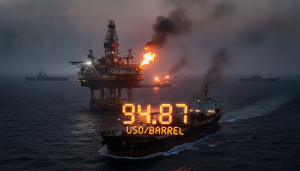
The renewed diplomatic push comes against a backdrop of heightened maritime insecurity in the region. Alarm bells rang louder this week following reports of a commercial vessel being seized by unauthorized entities in international waters adjacent to the United Arab Emirates. The incident, occurring approximately 38 nautical miles off the UAE coast and involving a vessel reportedly bound for Iran, served as a stark reminder of the volatile conditions that continue to plague this critical waterway. Such events directly contribute to elevated insurance premiums, rerouting decisions, and overall supply chain uncertainty, all factors that ripple through global energy markets and investor confidence.
The Indispensable Artery: Hormuz’s Impact on Global Energy
The Strait of Hormuz is unequivocally the world’s most crucial oil and LNG chokepoint, facilitating the transit of roughly one-fifth of the planet’s total shipments. Since the escalation of regional tensions earlier this year, this vital artery has experienced severe disruptions, causing significant apprehension among energy consumers and producers alike. While overall vessel traffic through the strait has shown tentative signs of gradually increasing in recent days, flows remain notably limited compared to pre-crisis levels. Adding to the complexity, Iranian state media has reported expectations for additional Chinese-linked vessels to transit the strait under newly asserted “Iranian management protocols,” a development that demands careful scrutiny from an investment perspective.
Market Reaction and Broader Economic Implications
Despite the ongoing geopolitical turbulence, crude oil prices experienced minimal movement on Thursday, with Brent crude trading near $105 per barrel. This stability follows a period of sharp appreciation in prices since the conflict’s initial intensification. However, the International Monetary Fund (IMF) has issued a stern warning that a protracted period of disruption in the Strait of Hormuz could exert considerable downward pressure on global economic growth. Energy investors must remain cognizant that while immediate price reactions might appear muted, the underlying risk premium embedded in current valuations reflects persistent concerns over potential supply shocks and their widespread economic ramifications.
Stalled Negotiations and Iran’s Persistent Demands
The path to a full and stable reopening of the Strait of Hormuz remains obstructed, even following an April ceasefire agreement between the United States and Iran. Negotiations designed to secure unrestricted passage have consistently failed to gain traction. Iran has steadfastly linked the full restoration of shipping access to an end to existing U.S. naval restrictions and a broader relaxation of economic sanctions. This entrenched position highlights the deep-seated political and economic grievances that fuel the current standoff, presenting a formidable challenge to any diplomatic resolution.
Investor Outlook: Navigating Persistent Uncertainty
For investors in the oil and gas sector, the Strait of Hormuz saga is a paramount risk factor. The interplay of high-level diplomacy, recurring maritime incidents, and intractable demands from key regional players creates an environment of elevated volatility. While an immediate resolution appears distant, monitoring shifts in rhetoric, maritime activity, and the pace of any multilateral engagement will be crucial for anticipating market movements. The long-term stability of global energy supply and, by extension, the world economy, hinges significantly on unlocking a sustainable and secure future for this indispensable maritime corridor.