Global energy markets face an unprecedented period of geopolitical fluidity, demanding enhanced data and transparency for astute investment decisions. Against this backdrop, the U.S. Energy Information Administration (EIA) is stepping up, launching critical new quarterly energy security datasets designed to illuminate the intricacies of global petroleum inventories and maritime energy trade. These timely insights, debuting on May 13, arrive as ongoing disruptions in key transit routes like the Strait of Hormuz continue to reshape the world’s oil and liquefied natural gas (LNG) supply dynamics.
The introduction of these comprehensive datasets, announced in conjunction with the EIA’s May Short-Term Energy Outlook (STEO), directly addresses the pressing need for clearer visibility into the global energy landscape during periods of heightened geopolitical instability. Investors and analysts can now gain a deeper understanding of strategic petroleum reserves worldwide and the vital shipping flows traversing critical oil and LNG chokepoints. This move represents a significant leap forward in empowering market participants with actionable intelligence.
Enhanced Market Transparency: A New Era for Energy Data
Tristan Abbey, the EIA Administrator, emphasized the profound impact of these new data streams. “The pace at which oil flows resume through the Strait of Hormuz and the subsequent recovery rate of Middle Eastern producers critically influence our price forecasts through year-end,” Abbey stated. He underscored that the fresh datasets, meticulously tracking global strategic stocks and vital shipping chokepoints for both petroleum and natural gas, will furnish the market with invaluable context and additional analytical depth. This commitment to transparency is paramount for navigating an increasingly complex energy market.
While the initial launch coincides with the monthly STEO, the EIA has indicated that future releases of this crucial market and shipping information will typically occur separately, contingent on the real-time availability of underlying data. This flexible publishing schedule ensures that the most current and relevant security-focused information reaches the market as swiftly as possible, allowing investors to react proactively to evolving global energy narratives.
The Hormuz Bottleneck: A Supply Shock to Monitor
The Strait of Hormuz, a narrow maritime passage through which a significant portion of the world’s crude oil transits, remains a focal point of market anxiety. The EIA’s latest outlook projects the Strait will effectively remain closed through late May. However, a gradual resumption of traffic is anticipated in June, with shipments expected to return towards pre-conflict levels later in the year. This phased recovery timeline is a critical factor for investors assessing global oil supply stability and price trajectories for the remainder of 2024.
The immediate impact of regional supply disruptions has already been substantial. The EIA estimates that approximately 10.5 million barrels per day (MMbpd) of crude oil production from a coalition of key Middle Eastern producers—Iraq, Saudi Arabia, Kuwait, the United Arab Emirates (UAE), Qatar, and Bahrain—was shut in last month. This massive curtailment, equivalent to over 10% of global daily oil demand, underscores the severe vulnerability of global supply chains to geopolitical flashpoints and highlights the immediate upstream challenges faced by these nations.
Brent Crude Surges: Market Reaction to Tight Inventories
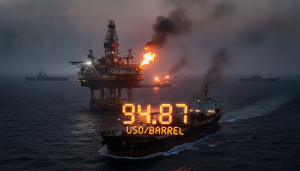
The tightening of global oil inventories in response to these supply disruptions manifested dramatically in crude prices during April. Brent crude, the international benchmark, experienced a sharp ascent, peaking at an impressive $138 per barrel. The monthly average for Brent settled at a robust $117 per barrel, a clear indication of a market reacting with urgency to the perceived and actual scarcity of supply. For oil and gas investors, this price surge, while offering immediate upside for producers, also signals increased volatility and the growing importance of geopolitical risk assessment in portfolio management.
Shifting OPEC Dynamics: The UAE’s Evolving Role
Beyond immediate supply concerns, the energy market is also contending with evolving dynamics within major producing blocs. The May STEO marks a significant methodological shift regarding OPEC production figures. Beginning with this outlook, the United Arab Emirates’ production will no longer be included in OPEC totals. This change anticipates the UAE’s formal departure from the Organization of the Petroleum Exporting Countries, set to occur on May 1, 2026. This forward-looking adjustment by the EIA provides investors with an early signal of how future OPEC+ supply capacity might be recalibrated, potentially influencing long-term supply expectations and investment strategies within the cartel and beyond.
The confluence of new, granular data from the EIA, the precarious situation in vital shipping lanes, significant production curtailments, and shifts within major oil cartels paints a vivid picture for energy investors. Monitoring these developments through the lens of robust, timely information is no longer a luxury but a fundamental necessity. The new EIA datasets offer a crucial tool for navigating the turbulent waters of global oil and gas markets, empowering investors to make more informed decisions amidst uncertainty and capitalize on emerging opportunities.