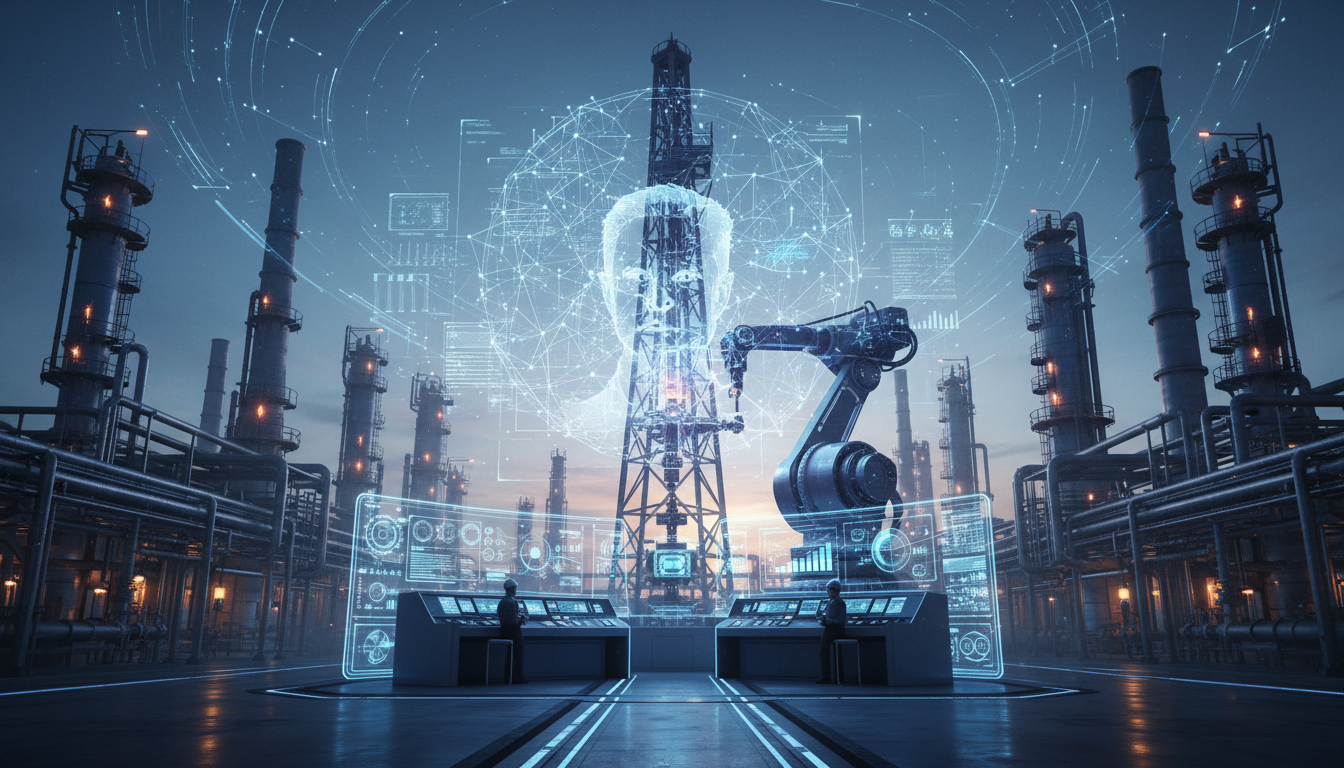
In the rapidly evolving landscape of artificial intelligence, a critical challenge is emerging that has profound implications for global energy markets: the insatiable demand for computational power. This “compute famine,” as some are calling it, is not merely a tech industry bottleneck but a significant new driver of energy consumption, directly impacting the investment thesis for oil and gas stakeholders.
AI’s Voracious Appetite for Compute Power Fuels Energy Demand
The burgeoning AI sector, exemplified by leading firms like Anthropic, is grappling with a severe shortage of essential computing infrastructure. Recent developments highlight this intensity, with Anthropic, a prominent AI research and deployment company, reportedly striking a significant deal to acquire AI compute resources from a colossal data center operated by SpaceX. This strategic move, which sees one of AI’s ethical pioneers turning to Elon Musk’s enterprise for foundational hardware, underscores a broader industry pivot.
Initially, Anthropic’s CEO, Dario Amodei, had subtly critiqued competitors like OpenAI for aggressively securing vast compute deals. However, the relentless acceleration of AI development and deployment has forced a realignment of strategy. The demand for AI processing capabilities is now dramatically outstripping available supply, leading to performance issues such as service outages and imposed usage limitations for developers relying on platforms like Anthropic’s Claude chatbot.
Addressing these constraints on stage, Amodei candidly acknowledged, “We’ve had difficulties with compute. We’re sorry if sometimes it takes some time, but we’re gonna keep going to acquire as much as we can.” This admission from a CEO at the forefront of AI innovation sends a clear signal: the race for compute is intensifying, and with it, the underlying demand for reliable, scalable energy.
The Direct Line from AI Innovation to Power Grids
For oil and gas investors, this dynamic is more than just a technology story; it’s a fundamental shift in future energy demand. Every “Gemini token” requested, every complex AI model trained, every query processed by a chatbot, translates into kilowatts consumed. The immense data centers required to house the Nvidia GPUs that power these AI breakthroughs are becoming some of the largest energy consumers globally. This escalating power requirement directly feeds into the demand for electricity generation, often sourced from natural gas, and in some cases, could pressure grid infrastructure requiring expansion and diversification, including fossil fuel baseload capacity.
Following the reported SpaceX deal, Anthropic swiftly relaxed certain rate limits, particularly for its burgeoning AI coding service, Claude Code. This swift action highlights the immediate impact of securing additional compute, a necessity driven by developers who, in the past, have migrated to platforms like OpenAI’s Codex due to fewer restrictions stemming from earlier, proactive compute acquisitions. The overarching sentiment heard across the tech sector, from startups to established giants, is a unanimous plea for more AI capacity – a plea that echoes as an urgent call for more energy.
Hypergrowth and Infrastructure Imperatives
The growth trajectories of these AI firms are staggering. One senior Anthropic executive privately conceded that the company significantly underestimated the surge in demand, leading to a frantic scramble for resources as usage soared far beyond projections this year. Such “problems” are enviable: if Anthropic maintains its current trajectory, growing at an astonishing 80x annual pace for another year, it would ascend to the ranks of the world’s highest-revenue companies. This hypergrowth, while impressive from a business perspective, underscores the monumental energy and infrastructure build-out required to sustain it.
The pace of development within these companies is equally astounding. Features transition from research previews to public betas in a blink, with employees struggling to keep up with internal changes, let alone external demands. This breakneck speed dictates an equally rapid deployment of supporting infrastructure. Building out data centers and securing energy supply cannot operate on traditional timelines; agility and foresight in energy provision will be paramount.
The infrastructure challenge is not just about power generation but also transmission and distribution. New data center campuses, often requiring gigawatts of power, necessitate significant investment in grid upgrades, new substations, and potentially new power plants. These are multi-billion dollar projects that offer substantial opportunities for energy service companies, equipment manufacturers, and, crucially, developers and operators of conventional energy assets, particularly natural gas, which offers the reliability and scalability currently unmatched for this demand surge.
Investment Outlook: AI as a Catalyst for Energy Sector Growth
The implications for oil and gas investors are clear. The exponential growth of AI is establishing a robust and escalating demand floor for electricity. While renewable energy sources are expanding, the sheer scale and intermittent nature of their supply mean that reliable baseload power, primarily from natural gas, will be indispensable for powering the next generation of AI infrastructure. Companies involved in natural gas production, transport, and power generation stand to benefit from this new, significant demand vector.
Furthermore, the capital intensity of building out this digital infrastructure — from advanced Nvidia GPUs to massive data center facilities — mirrors the large-scale capital deployment seen in major energy projects. The “picks and shovels” of the AI revolution extend beyond silicon to the very electrons that power them. Investors should scrutinize energy companies for their exposure to data center power supply contracts, grid modernization initiatives, and the development of flexible, dispatchable generation assets that can meet the dynamic needs of the AI economy.
As AI continues its rapid ascent, its shadow over global energy consumption will only lengthen. For those navigating the complexities of energy markets, understanding this profound linkage between computational power and kilowatt-hours is no longer optional; it is fundamental to identifying future growth and investment opportunities in the oil and gas sector.


