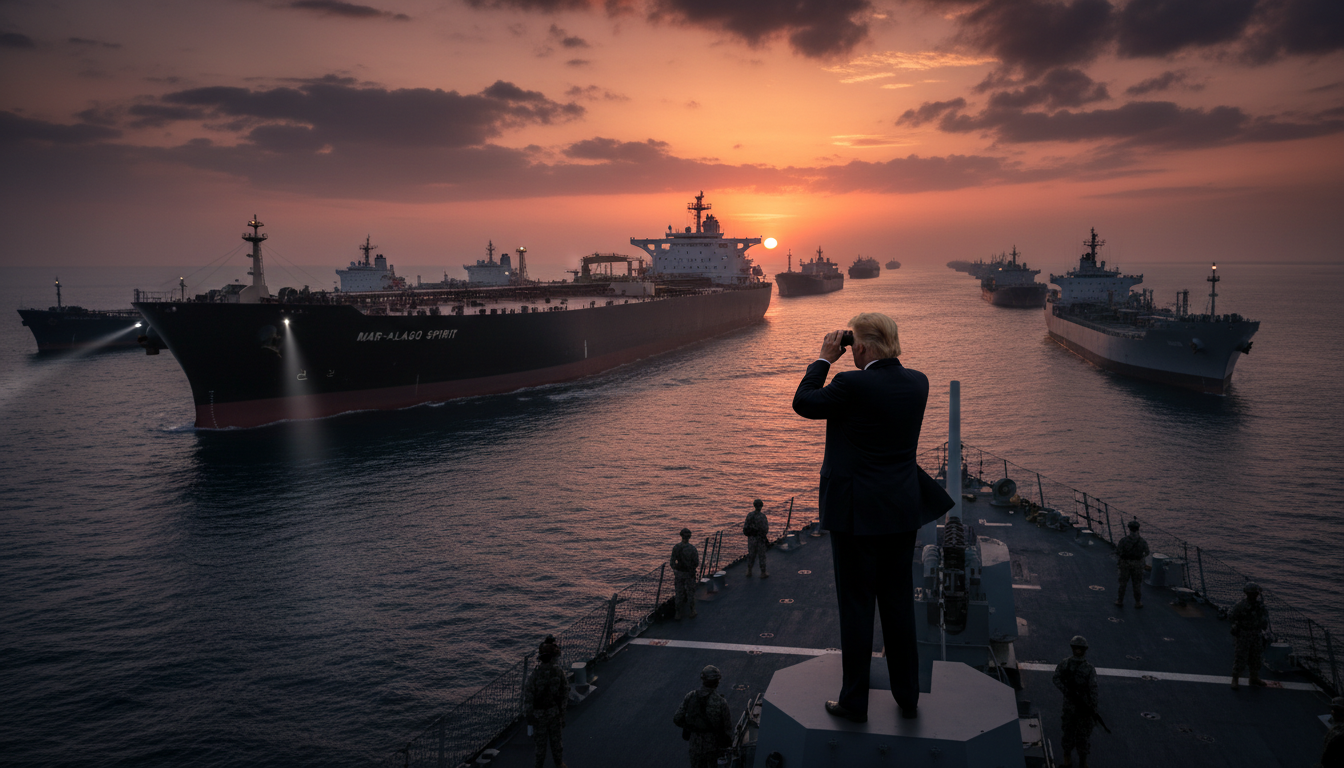
Geopolitical Tensions Rock Oil Markets: Hormuz Reopening Mission Halted Amid Escalation Fears
In a surprising turn of events, the Trump administration has abruptly suspended a critical U.S. military initiative aimed at restoring secure transit for commercial vessels through the Strait of Hormuz. This sudden reversal, occurring just hours after senior defense officials had publicly detailed the operational framework, leaves global energy markets grappling with heightened uncertainty and persistent supply chain vulnerabilities. For investors tracking crude oil and natural gas prices, the decision underscores the unpredictable nature of Middle East geopolitics and its direct impact on energy flow.
Project Freedom: A Brief Window of Hope for Shipping
The proposed mission, aptly named Project Freedom, represented a concerted effort to normalize shipping activities through the world’s most vital energy chokepoint. The Strait of Hormuz is an indispensable artery, historically facilitating the passage of approximately one-fifth of the planet’s total oil and natural gas flows. Since the recent escalation of conflict with Iran, traffic through this narrow waterway has remained severely constricted, posing significant challenges for global energy supply and demand dynamics.
Under the blueprint for Project Freedom, substantial U.S. naval and air assets were to be deployed to safeguard commercial vessels navigating the strait. The strategic deployment would include destroyers, advanced aircraft, surveillance drones, and various other military platforms designed to deter and respond to threats. Defense Secretary Pete Hegseth and Joint Chiefs Chairman Dan Caine had initially characterized the operation as a temporary and purely defensive measure, emphasizing its role in protecting international shipping lanes rather than engaging in offensive actions. Notably, before the mission’s pause, U.S. forces had already provided assistance to two vessels successfully exiting Hormuz on Monday, reportedly repelling multiple attacks from Iranian drones, missiles, and fast boats, demonstrating the tangible and immediate security challenges in the region.
Presidential Intervention: Diplomacy Takes Precedence Over Direct Action
Despite the operational readiness and initial successes, President Donald Trump ultimately ordered the plan to be put on hold. The President indicated that the pause would be temporary, designed to create diplomatic space and explore avenues for de-escalation. This decision, according to administration sources, followed strong warnings that a direct military escort operation could inadvertently trigger a broader regional conflict. The administration currently faces intense pressure to alleviate the ongoing conflict and mitigate its destabilizing effects on global energy markets, making diplomatic solutions a preferred, albeit often complex, path.
The abrupt cessation of Project Freedom highlights a delicate balance between safeguarding economic interests and preventing military escalation. For energy investors, this dynamic translates into sustained market volatility, as the risk premium associated with Middle Eastern crude oil production and transport remains elevated. Any indication of de-escalation could temporarily ease prices, but the underlying instability suggests a prolonged period of caution.
Persistent Peril and Industry Caution in the Strait
The presidential directive to pause Project Freedom casts a long shadow over the future of commercial shipping in the Strait of Hormuz. With U.S. military escorts now on indefinite hold, the waterway continues to be characterized by limited commercial traffic and an elevated security threat level. Iran has maintained a consistent posture of pressure on the vital passage, underscored by recent aggressive acts including a notable strike on an oil terminal in Fujairah in the United Arab Emirates. Such incidents serve as stark reminders of the ongoing and potent risks faced by energy infrastructure in the region.
Shipping groups worldwide have issued grave warnings, indicating a significant increase in the threat profile for vessels traversing the strait. Consequently, major maritime operators are exercising extreme caution, many opting to reroute or delay shipments rather than expose their assets to the prevailing dangers. This cautious approach by the shipping industry directly impacts the efficiency and cost of global energy logistics, ultimately trickling down to consumer prices and corporate profitability.
Investment Outlook: No Clear Horizon for Normalcy
The indefinite pause in the U.S. military effort means global oil and natural gas markets remain acutely exposed to continued disruption. There is no clear timeline for when normal, unrestricted flows through the Strait of Hormuz might resume. This prolonged uncertainty compels energy investors to factor in a substantial geopolitical risk premium into their analyses. Companies with significant exposure to Middle Eastern crude oil sourcing or transportation face ongoing operational and financial challenges.
For those holding positions in oil futures, tanker companies, or energy infrastructure funds, monitoring diplomatic progress and security developments in the Persian Gulf region becomes paramount. The lack of a definitive resolution in the Strait of Hormuz signifies that supply disruptions, sudden price spikes, and heightened market volatility will likely characterize the energy landscape for the foreseeable future. Investors must remain agile and prepared for rapid shifts as geopolitical winds continue to shape the global energy narrative.