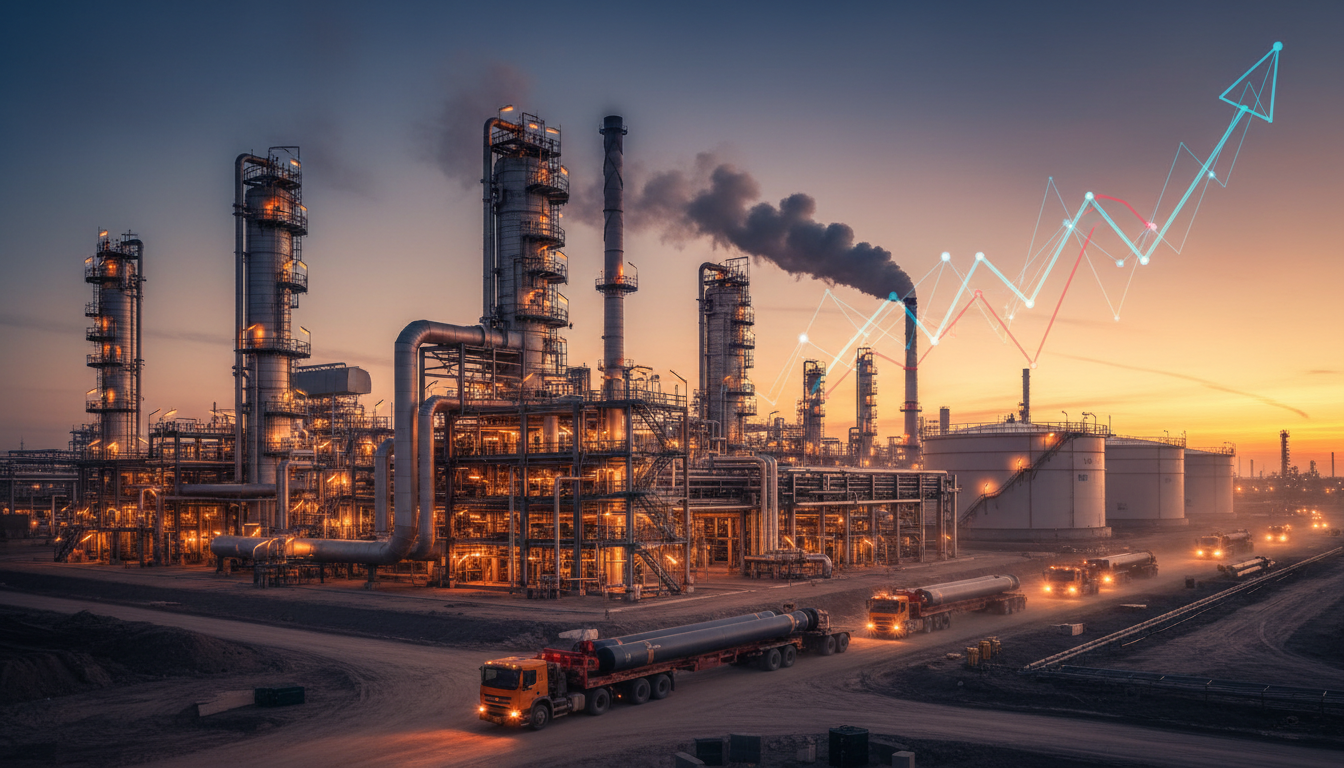
The global energy landscape faces a stark and protracted challenge, a reality that the International Energy Agency’s (IEA) chief, Fatih Birol, has brought into sharp focus. Contrary to prevailing market sentiment that views the recent disruptions in the Persian Gulf as temporary, Birol asserts that restoring a significant portion of lost oil and gas production could demand up to two full years. This extended timeline demands an immediate re-evaluation of investment strategies, as the foundational assumptions of a quick supply rebound are fundamentally flawed.
The Deep Scars on Energy Infrastructure
The scale of damage inflicted across the Persian Gulf region is immense and multifaceted. Oil fields, vital refineries, and intricate pipeline networks have sustained substantial harm. Compounding this, the Strait of Hormuz, a choke point for global energy flows, has seen its operational capacity severely curtailed. These combined factors have already removed hundreds of millions of barrels from the market, creating an unprecedented supply vacuum.
Birol’s recent interview highlighted a critical distinction: merely resuming transit through the Strait of Hormuz will not magically return production to pre-conflict levels. The intricate web of physical infrastructure—from upstream production facilities to midstream processing and transportation assets—requires extensive repair, rigorous safety checks, and a methodical restart process. Each of these phases is inherently time-consuming, necessitating specialized equipment, skilled personnel, and often, new supply chains for replacement parts. Investors must understand that this is not merely a logistical hurdle but a deep structural challenge that will redefine supply availability for the foreseeable future.
Counting the Cost: Production Losses and Export Reductions
The IEA’s earlier assessments provide a sobering quantification of the immediate impact. As much as 13 million barrels per day (MMbpd) of global oil production has already been taken offline due to the conflict. This staggering figure represents a significant fraction of global daily demand, underscoring the severity of the supply shock. Furthermore, the total losses extend beyond crude oil, encompassing refined products, which means overall export reductions have been even higher, tightening product markets globally.
The physical toll on the region’s energy apparatus is also severe, with reports indicating damage to more than 80 oil and gas facilities. Such widespread destruction necessitates comprehensive reconstruction efforts, a capital-intensive and time-intensive undertaking that cannot be expedited without compromising safety and future operational integrity. For energy investors, this translates into sustained upward pressure on prices and a re-evaluation of long-term supply stability from a historically crucial region.
Natural Gas Faces Even Longer Recovery Horizons
While the focus often remains on crude oil, the natural gas sector faces an equally, if not more, challenging path to recovery. Some liquefied natural gas (LNG) terminals, critical nodes in the global gas supply chain, are projected to require more than two years to return to normal operations following the damage sustained. The highly complex and specialized nature of LNG infrastructure—involving supercooling gas to liquid form for transport—means repairs are intricate and time-consuming.
This prolonged disruption in natural gas supply carries significant implications for energy-importing nations, particularly those in Europe and Asia that have increasingly relied on LNG to meet their energy demands. The extended unavailability of these facilities ensures elevated natural gas prices and heightened energy security concerns, influencing investment decisions across power generation, industrial sectors, and commodity markets.
Immediate Market Reverberations and Emerging Demand Destruction
The physical market has already begun to reflect these severe supply imbalances. Spot crude prices for immediate delivery have surged dramatically, with some benchmark barrels nearing the $150 mark. This aggressive pricing reflects intense competition for the limited available supply, a clear signal of the market’s desperation. Refiners in Europe and Asia, particularly vulnerable due to their reliance on imported feedstocks, are finding themselves in a fierce bidding war. In many instances, these refiners are compelled to reduce their operational rates or “cut runs” as they struggle to secure sufficient crude, leading to potential shortages of gasoline, diesel, and other essential refined products.
This unprecedented energy crunch is now triggering an ominous phenomenon: demand destruction. Birol points to early indicators of this market adjustment, which include the implementation of fuel rationing in certain regions, a noticeable reduction in industrial activity as energy costs become prohibitive, and escalating inflation pressures felt acutely in energy-importing economies. This economic fallout is a direct consequence of soaring energy prices, forcing businesses and consumers to curb consumption, albeit at significant economic cost.
Vulnerable Economies and Global Investor Outlook
The impact of this energy crisis is not evenly distributed. Emerging markets, particularly those in Asia and Africa, stand to be hit hardest due to their heavy reliance on imported energy. These economies often possess less fiscal flexibility to absorb sustained high energy costs or to subsidize their populations. The specter of widespread economic instability, potential social unrest, and significant inflationary spirals looms large over these regions, creating additional layers of geopolitical risk for global investors.
For investors navigating this new energy paradigm, a strategic reassessment is imperative. The notion of temporary disruption has been unequivocally debunked. The protracted nature of supply restoration, coupled with ongoing geopolitical uncertainties, demands a long-term outlook centered on elevated energy prices, increased volatility, and a heightened focus on energy security. Portfolio managers must factor in these enduring shifts in global supply dynamics and their ripple effects across various sectors, from industrial manufacturing to consumer goods, and adjust their exposure accordingly.


