Geopolitical Currents Shift: Russian Crude Reaches Cuba Amidst Easing US Stance
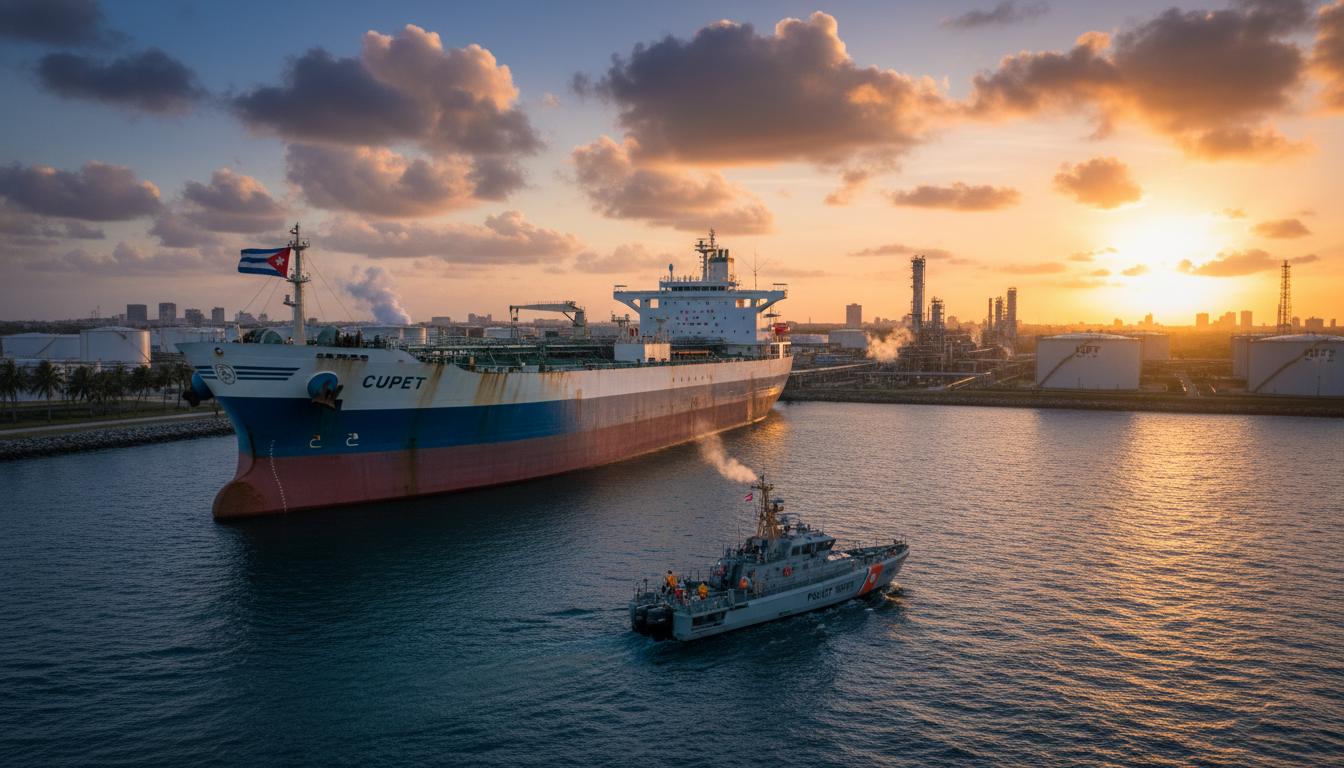
The global energy landscape witnessed a significant development this week as a Russian-flagged crude oil tanker successfully navigated into Cuban waters, signaling a potential thaw in US policy towards the Caribbean nation. The arrival of the vessel, the Anatoly Kolodkin, laden with a substantial crude cargo, offers a critical lifeline to Cuba, which has grappled with severe fuel shortages. This event carries profound implications for energy investors, highlighting the intricate interplay of geopolitical strategy, sanctions regimes, and global supply chain resilience.
Unpacking the Shipment: Data and Logistics
Ship tracking data confirmed the Anatoly Kolodkin’s presence off Cuba’s eastern tip on Sunday, with its anticipated arrival at the port of Matanzas slated for Monday. This delivery is far from a minor transaction; LSEG ship-monitoring data indicated the tanker departed Russia’s Primorsk port carrying approximately 650,000 barrels of crude. Other market intelligence reports suggested the volume could be as high as 730,000 barrels. Regardless of the exact figure, this substantial influx of crude is poised to alleviate the acute energy crisis plaguing Cuba, which has led to stringent gasoline rationing and widespread power outages across the island. For investors tracking global crude movements, this shipment underscores Russia’s persistent ability to reach new markets despite international pressures.
A Pivotal Shift in US Policy?
The most striking aspect of this delivery lies in the apparent relaxation of the US stance towards oil shipments to Cuba. US President Donald Trump, speaking to reporters, indicated a newfound flexibility, stating, “If a country wants to send some oil into Cuba, right now, I have no problem whether it’s Russia or not.” This declaration marks a notable departure from previous policy, where the US had effectively implemented a de facto oil blockade, aiming to exert pressure on Havana through the disruption of energy supplies. This hardline approach had been reinforced by a series of assertive statements against the Cuban government.
Interestingly, despite the vessel being subject to sanctions, a US official briefed on the matter revealed that the US Coast Guard permitted the Anatoly Kolodkin to proceed to Cuba. While the precise motivations behind this decision remain somewhat opaque, the inherent risk of escalating conflict with Russia, particularly during a period of heightened global geopolitical tension, likely played a significant role. Energy investors must closely monitor such policy pivots, as they introduce both uncertainty and potential opportunities in markets previously deemed inaccessible or highly restricted.
Russia’s Energy Diplomacy and Sanctions Navigation
The journey of the Anatoly Kolodkin was not without its strategic undertones. Reports from official Cuban news sources emphasized that the Russian navy had escorted the sanctioned vessel through the English Channel en route to the Caribbean, framing the delivery as a direct challenge to the US oil blockade. This maneuver highlights Russia’s ongoing determination to circumvent Western sanctions and maintain its position as a global energy supplier, exploring alternative markets and logistical pathways. For those investing in the crude oil market, Russia’s adaptability in navigating sanctions offers crucial insight into the resilience of its export capabilities and the potential for shifts in global energy trade flows.
This event also comes in the broader context of some recent adjustments in US sanctions policy. Earlier in March, the US temporarily eased certain sanctions on Russia. This measure was reportedly taken to help stabilize and improve the global flow of oil, which has been under strain due to broader geopolitical tensions impacting energy supply. Such strategic adjustments by major global powers demonstrate the delicate balance between geopolitical objectives and the imperative of maintaining stable, affordable energy markets worldwide. Investors should recognize that sanctions regimes are not static; they are dynamic tools subject to modification based on evolving global economic and political realities.
Market Implications for Global Energy Investors
The arrival of Russian crude in Cuba, facilitated by an apparent softening of US policy, carries several key implications for global energy investors. Firstly, it adds another layer of complexity to the efficacy of sanctions as a foreign policy tool. When major powers signal flexibility, it can influence market perceptions of risk premiums associated with certain trade routes or entities. Secondly, it underscores the persistent demand for crude oil globally and the lengths to which nations will go to secure energy supplies, particularly those facing chronic shortages. This could stimulate further non-traditional trade relationships and shipping patterns.
Moreover, the incident provides fresh data points for assessing the resilience of global crude supply chains. The ability of a sanctioned vessel, escorted by its national navy, to deliver a significant cargo through international waters with implicit US consent, offers a case study in how geopolitical constraints can be navigated. This might impact sentiment around tanker rates, particularly for vessels operating in sensitive geopolitical zones, and could influence future investment decisions in the shipping sector.
Investment Outlook: Navigating Geopolitical Volatility
As the global energy landscape continues to be shaped by geopolitical currents, investors in the oil and gas sector must remain acutely aware of policy shifts and diplomatic maneuvers. The Cuban crude delivery serves as a vivid reminder that the stability of energy markets is intrinsically linked to political decisions made in capitals worldwide. Monitoring the evolving dynamics between major energy producers and consumers, the application and modification of sanctions, and the strategies employed to circumvent them, will be paramount for making informed investment decisions.
This event suggests a more pragmatic approach may be emerging in some areas of US foreign policy concerning energy, prioritizing global supply stability over absolute adherence to sanctions in specific instances. For investors, this translates into an environment of continued volatility but also potential for strategic repositioning. Identifying countries with diversified energy partners or those poised to benefit from shifts in global trade routes will be crucial. The intersection of energy, politics, and market dynamics has rarely been more complex or critical for astute investors.


