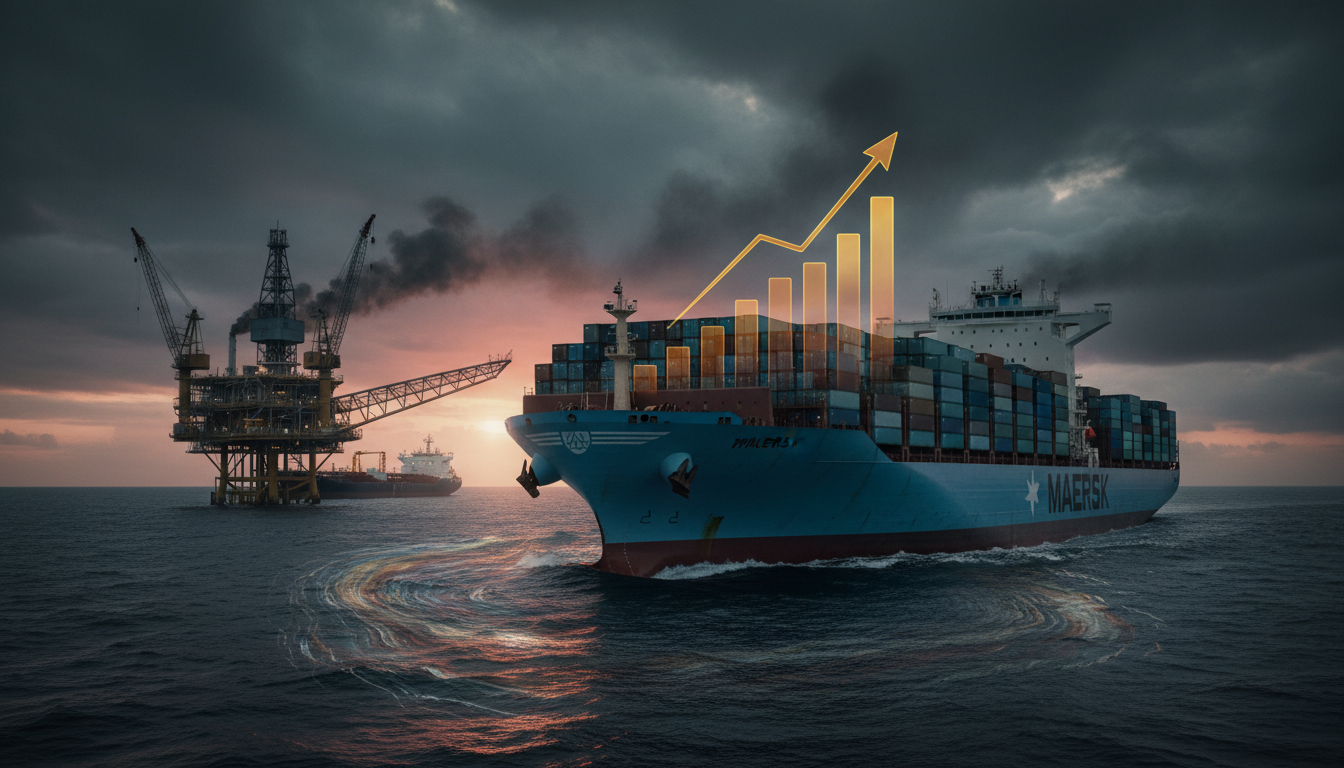
Geopolitical Turmoil Ignites Marine Fuel Markets, Threatening Global Shipping Logistics
The escalating conflict in the Middle East has profoundly disrupted global shipping fuel markets, sending prices of vital marine fuels skyrocketing and creating acute supply shortages in key regional hubs. This volatility is forcing a drastic recalculation for maritime traders and operators, with some resorting to diverting precious fuel volumes to critical bunkering ports outside the immediate conflict zone, even at the expense of regular cargo shipments.
Investors tracking the energy sector must recognize the immediate and long-term implications of these developments. The ripple effects are already being felt across the supply chain, translating into increased operational costs for shipping companies and potential inflationary pressures on goods transported globally.
Strait of Hormuz Bottleneck Squeezes Asian Bunkering Hubs
Fuel oil prices have seen a dramatic ascent this month, directly linked to the stalled tanker traffic through the strategic Strait of Hormuz. This critical chokepoint, essential for global energy flows, is experiencing severe disruptions, tightening the availability of marine fuel, particularly in Asia. Singapore, a pivotal bunkering hub for ships traversing the region, is feeling the brunt of this supply crunch.
The Middle East stands as a colossal global supplier of fuel oil, with high-sulfur fuel oil (HSFO) being a significant component of its exports. However, the conflict has largely paralyzed transit via the Strait of Hormuz, effectively stranding substantial supplies destined for Asia and its crucial bunkering network centred in Singapore. Paradoxically, Singaporean fuel inventories have shown an increase this month. This initial rise reflects a market where shipping owners and operators have been hesitant to purchase fuel at prohibitively high prices. Yet, industry analysts, including insights from a recent Financial Times analysis, warn that these reserves could deplete rapidly as vessels become increasingly desperate to refuel and maintain operational schedules. An anonymous trader interviewed indicated their firm had to prioritize the delivery of additional fuel volumes between major ports, notably between the United States and Singapore, often at the cost of foregoing revenue-generating cargo.
Fujairah Offline: A Critical Blow to Regional Bunkering Infrastructure
The operational status of Fujairah, a primary bunkering port in the Middle East, adds another layer of complexity and crisis to the marine fuel market. By the close of March, Fujairah was largely offline following Iranian attacks earlier in the month. This incapacitation of a strategic refueling point has plunged the entire marine fuel ecosystem into disarray, leaving shipping lines scrambling for alternatives and exacerbating existing supply imbalances.
The closure of such a critical facility underscores the severe geopolitical risks inherent in the current environment and their direct impact on the logistical backbone of global trade. Investors with exposure to shipping, logistics, or even manufacturing sectors reliant on maritime transport must account for this heightened operational risk and the associated cost escalations.
Shipping Giants Respond: Maersk’s Strategic Shifts and Surcharges
Major shipping companies are not merely observing this unfolding crisis; they are actively implementing significant operational changes to navigate the turbulent waters. Maersk, a global shipping giant, issued an advisory to its clients this week, detailing its proactive measures. “To preserve network stability,” the company stated, it has initiated “significant redistribution of fuels to offset shortages in the Middle East.” Furthermore, Maersk is aggressively “securing alternative sources from different locations, suppliers, and at increased premiums.”
The financial implications of these actions are directly passed on to customers. Effective March 25, Maersk introduced an Emergency Bunker Surcharge (EBS). This surcharge, explained by the company, is “in response to notable fluctuations in fuel supply and the additional costs of distribution.” Karsten Kildahl, Maersk’s chief commercial officer, earlier highlighted the core challenge: “There is currently sufficient fuel globally, but it is unevenly distributed.” He elaborated on the company’s strategy, stating, “As a result, we are making changes to our fuel supply chain and begin moving fuel to ensure our vessels can continue to bunker where needed – and protect the flow of trade.” This strategic reallocation and the imposition of surcharges illustrate the immediate financial strain on operators and the cascading costs borne by consumers.
Investment Outlook: Navigating Volatility in Maritime Energy Markets
For investors, the current environment presents a complex landscape characterized by heightened volatility and unpredictable supply chain dynamics. The spiraling cost of marine fuels, driven by geopolitical instability and logistical bottlenecks, directly impacts the profitability of shipping companies. While some of these costs can be offset by surcharges like Maersk’s EBS, the ability of the market to absorb these increases indefinitely remains a critical concern.
Companies with robust, diversified fuel procurement strategies and flexible logistics networks may be better positioned to weather this storm. Conversely, those heavily reliant on specific, now-disrupted bunkering hubs or single-source fuel contracts face considerable headwinds. The situation also underscores the premium on transparency and efficiency within maritime supply chains, as unexpected disruptions can have immediate and severe financial consequences.
As long as geopolitical tensions persist in the Middle East, the marine fuel market will likely remain susceptible to sudden shifts and price spikes. Investors should closely monitor crude oil prices, refinery outputs, regional stockpiles, and the operational status of key maritime transit points. The interconnectedness of global trade means that disruptions in one critical sector, like marine fuel, can rapidly cascade, influencing investment decisions across a broad spectrum of industries reliant on the efficient and cost-effective movement of goods.