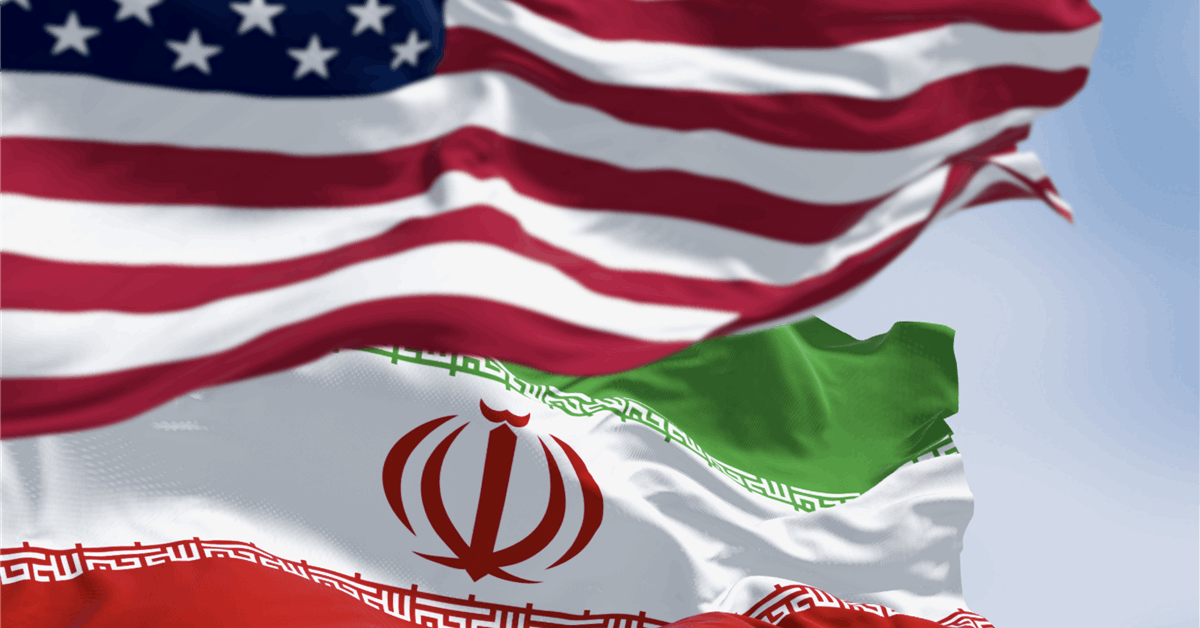
The global oil market remains a crucible of geopolitical tension and supply uncertainty, a reality underscored by recent diplomatic overtures between the United States and Iran. President Donald J. Trump’s announcement of “very good and productive conversations” with Tehran and a five-day postponement of military strikes against Iranian energy infrastructure initially triggered a knee-jerk reaction in crude prices. However, investors should not mistake a temporary diplomatic pause for a fundamental shift in market dynamics. The underlying risks to global supply, particularly from critical chokepoints, persist and are likely to keep oil prices elevated and volatile, demanding vigilant analysis of both geopolitical developments and fundamental data.
Geopolitical Headwinds and Current Market Realities
President Trump’s statement, posted earlier this week, outlined ongoing, detailed discussions aimed at resolving hostilities in the Middle East, leading to an immediate instruction to the Department of War to hold off on planned strikes. This news initially injected a dose of optimism, prompting some profit-taking in the market. However, the relief proved fleeting. As of today, Brent Crude trades at $92.29 per barrel, down a modest 1.02% from its daily high of $94.21, with WTI Crude similarly affected, standing at $88.6, down 1.19% from its daily high of $90.71. This current snapshot reveals that while immediate fears may have eased slightly, the market’s underlying bullish bias, driven by tight supply and persistent geopolitical risks, has quickly reasserted itself.
Our proprietary market data confirms this resilience. While the initial reaction to Trump’s statement may have caused a momentary dip, the broader 14-day trend for Brent Crude shows a significant run-up from $101.16 on April 1st to $94.09 on April 21st, reflecting a $7.07 decline over that period. This indicates that despite recent geopolitical spikes, the market has been grappling with higher prices for some time, and today’s marginal pullback is minor in the context of the broader, upward trajectory. The prevailing sentiment among market participants is that any de-escalation remains fragile, and the “path of least resistance” for crude prices remains skewed to the upside as long as core supply concerns are not definitively addressed.
The Strait of Hormuz: A Constant Supply Threat
Beyond the diplomatic discussions, a critical and immediate concern for global oil supply remains the Strait of Hormuz. Our analysis indicates that disruptions to energy infrastructure and logistics in the region continue to be a primary driver of market anxiety. Despite the talks, the Strait of Hormuz remains largely closed to much shipping traffic, severely constraining exports from one of the world’s most vital oil transit routes. This physical bottleneck means that regardless of the tenor of diplomatic conversations, a significant portion of global crude supply faces an ongoing, tangible threat of disruption.
The implications for investors are clear: a prolonged restriction of flows through this waterway would inevitably tighten global supply further, creating renewed and intense upward pressure on prices. While successful de-escalation efforts that lead to the reopening of the Strait could indeed weigh on oil prices by easing supply concerns, the current reality of constrained shipping activity keeps the market on edge. Investors must recognize that the physical flow of oil through this strategic chokepoint often trumps diplomatic rhetoric in the short-to-medium term, making it a critical factor to monitor for any sustained impact on crude valuations.
Addressing Investor Concerns: Navigating Price Uncertainty
Our first-party intent data reveals what’s truly on the minds of investors this week. Many are asking pointed questions such as, “is WTI going up or down?” and “what do you predict the price of oil per barrel will be by the end of 2026?” These inquiries underscore the pervasive uncertainty and the challenge of forecasting in such a volatile environment. While a definitive “up or down” answer is elusive given the dynamic nature of geopolitical events, our analysis suggests that the risks are undeniably skewed towards continued upside pressure, particularly if diplomatic progress falters or if the Strait of Hormuz remains a flashpoint.
The current diplomatic engagement, while positive in tone, is ultimately a negotiation, the outcome of which is far from guaranteed. Any renewed escalation or fresh threats related to Iran’s nuclear program or regional proxies could quickly push prices significantly higher, maintaining elevated volatility in the near term. For investors seeking clarity on year-end price predictions, the current environment dictates a cautious approach. The floor for oil prices appears firm given supply constraints and geopolitical premiums, but the ceiling remains highly dependent on the success of these delicate negotiations and the broader stability of the Middle East.
Upcoming Events: Data Points Shaping the Outlook
As diplomatic efforts unfold throughout the week, investors must also keep a keen eye on the fundamental data releases that will continue to shape market sentiment. Our proprietary event calendar highlights several key upcoming catalysts that will provide crucial insights into supply and demand dynamics, potentially amplifying or mitigating the impact of geopolitical news. On Wednesday, April 22nd, the EIA Weekly Petroleum Status Report will offer the latest snapshot of U.S. crude inventories, refinery activity, and demand indicators. A significant draw in crude stocks, for instance, could reinforce bullish sentiment, especially if the geopolitical landscape remains tense.
Further data points include the Baker Hughes Rig Count on Friday, April 24th, providing an update on drilling activity, and the API Weekly Crude Inventory report on Tuesday, April 28th. The following week brings another EIA Weekly Petroleum Status Report on April 29th, followed by the crucial EIA Short-Term Energy Outlook on May 2nd. This outlook will provide a comprehensive forecast for global supply and demand, offering a longer-term perspective that investors are actively seeking. Each of these reports, set against the backdrop of ongoing U.S.-Iran discussions, will serve as vital signposts, either confirming underlying market tightness or signaling potential shifts that could influence price trajectories for Brent, WTI, and refined products like gasoline, which currently trades at $3.1 per gallon.