Diplomatic Delay Clouds Oil Outlook Amidst Strait of Hormuz Tensions
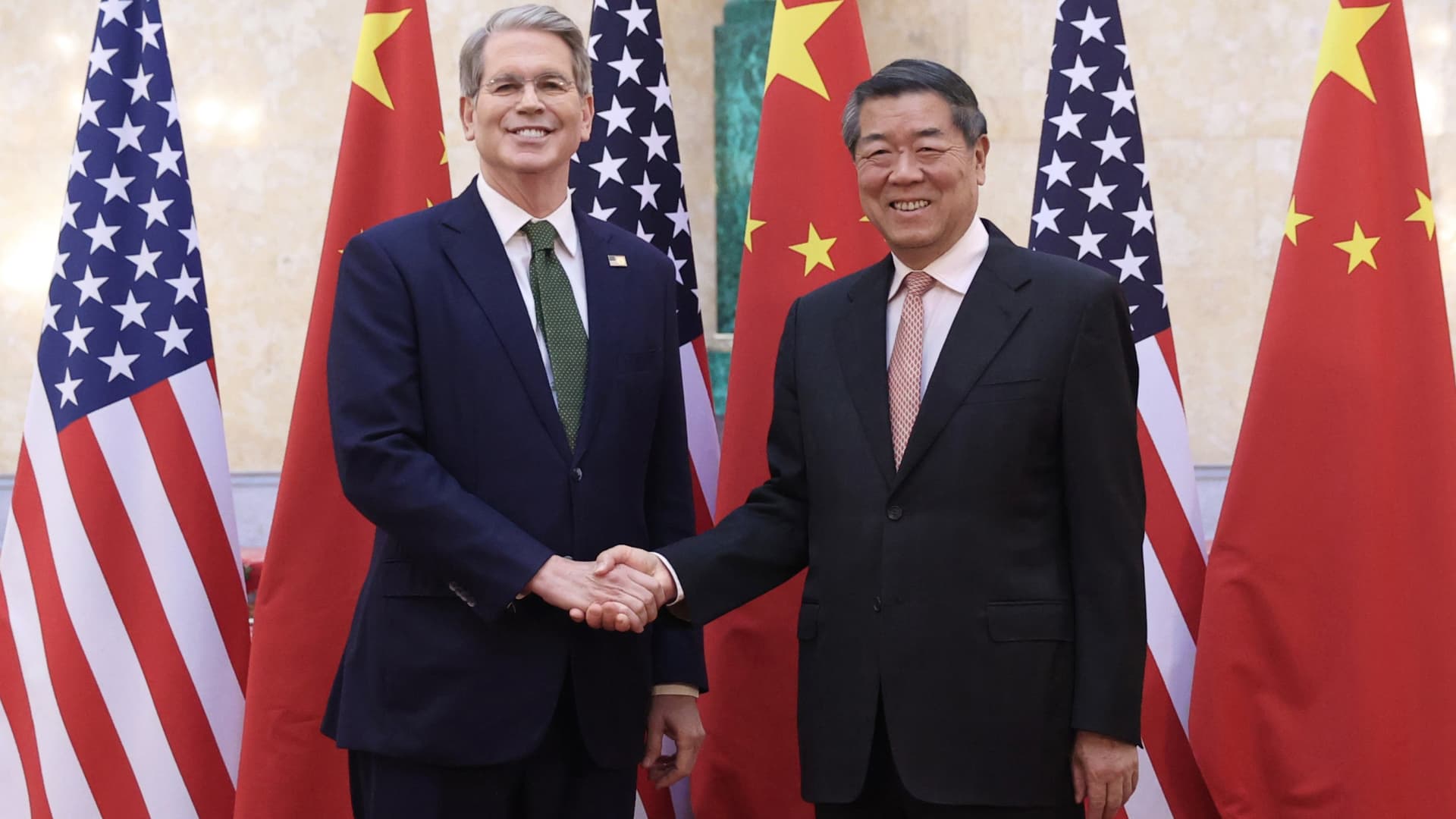
The global oil market finds itself navigating a fresh wave of geopolitical uncertainty as a crucial diplomatic meeting between President Donald Trump and Chinese Leader Xi Jinping faces potential delays. Originally slated for March 31-April 2 in China, this summit was seen by many as a potential avenue for de-escalation amidst heightened tensions surrounding the Strait of Hormuz. While official reasons for the delay are cited as “logistical,” President Trump’s earlier comments regarding China’s role in securing the vital shipping lane underscore the deep geopolitical undercurrents at play. For investors, this creates a complex environment where traditional supply-demand dynamics are heavily influenced by the unpredictable nature of international relations. Our proprietary market data, however, reveals a fascinating divergence: while the Strait’s closure has historically triggered price surges, current market reactions suggest a more nuanced interpretation, forcing a re-evaluation of immediate risk premiums.
Geopolitical Risk vs. Current Market Reality
The ongoing conflict in Iran, which has reportedly led to the Strait of Hormuz being largely impassable, carries immense implications for global energy flows, given that approximately 20% of the world’s oil transits through this choke point. Logically, such a disruption should send prices soaring. Yet, our live market snapshot tells a different story: as of today, Brent Crude trades at $92.9, reflecting a modest -0.36% dip. WTI Crude similarly stands at $89.25, down -0.47%. This daily movement is a stark contrast to the dramatic upward pressure one might expect from a “shuttered” strait. Zooming out, the past 14 days have seen Brent trend downwards, shedding $7.07, or 7%, from $101.16 on April 1st to $94.09 yesterday, and now further to its current level. This data suggests that while the geopolitical backdrop remains tense, the market is either pricing in a temporary disruption, anticipating a diplomatic resolution, or perhaps has already absorbed much of the initial risk premium. Investors asking about the immediate direction of WTI crude must consider this complex interplay: while the underlying risk of a prolonged Strait closure is high, the market’s current response appears to be tempered by other factors, including potentially the anticipation of eventual diplomatic engagement, even if delayed.
The Strait of Hormuz: Navigating a Global Chokepoint
President Trump’s direct call for China, and other nations, to bear more responsibility in maintaining the security of the Strait of Hormuz highlights a significant shift in the global burden-sharing paradigm for maritime security. Historically, the U.S. has often taken the lead in ensuring the free flow of goods through critical international waterways. With reports confirming the Strait has become “largely impassable” due to the ongoing “assault on Iran,” the economic ramifications for global trade and energy supply chains are profound. The market’s tempered reaction, despite the severity of the Strait’s status, could imply several things: perhaps alternative routes, albeit more costly, are being utilized for some flows, or a significant portion of the market believes the closure is not absolute or will be temporary. The diplomatic dance around the Trump-Xi meeting, even if delayed for logistical reasons related to the “war effort,” still signals that major powers are engaged, however indirectly, in discussions that could eventually lead to a resolution for this critical chokepoint. The longer the Strait remains compromised, the greater the pressure on global inventories and the higher the implicit risk premium will become, regardless of daily price fluctuations.
Upcoming Catalysts and Investor Outlook
Beyond the immediate geopolitical headlines, investors must maintain a sharp focus on fundamental data points that will shape the longer-term trajectory of oil prices. With the Trump-Xi meeting now in flux, the spotlight shifts to upcoming energy events that will provide clearer insights into supply-demand dynamics. The EIA Weekly Petroleum Status Report, due this Wednesday, April 22nd, and again on April 29th, will offer crucial data on U.S. crude oil inventories, refinery utilization, and product supplied. These weekly reports are vital pulse checks for domestic demand and supply balances. More critically for a broader outlook, the EIA Short-Term Energy Outlook (STEO) scheduled for May 2nd will provide updated forecasts for global supply, demand, and prices, offering a more comprehensive picture for the remainder of 2026. For investors pondering where the price of oil per barrel might land by the end of 2026, these reports, combined with the geopolitical stability (or instability) emerging from the US-Iran conflict and US-China relations, will be paramount. A sustained closure or severe disruption in the Strait of Hormuz, if not mitigated by diplomatic action, could quickly override otherwise bearish fundamental data, maintaining a significant risk premium throughout the year. Conversely, any signs of de-escalation, even if slow, could allow market fundamentals to reassert their influence on price formation.