The Strait of Hormuz, a choke point for approximately one-fifth of the world’s oil and gas supply, remains a focal point of geopolitical tension and market speculation. Despite heightened conflict between the U.S.-Israel alliance and Iran, which has seen shipping traffic slow and multiple vessels attacked, Iran has demonstrably continued to export significant volumes of crude oil, primarily to China. This persistent flow, often facilitated by vessels “going dark” to evade detection, underscores a complex dynamic in global energy markets: the immediate impact of geopolitical risk versus the underlying realities of supply and demand, and the strategic maneuvering of key players. For oil and gas investors, understanding the nuances of these opaque shipments, their market implications, and the broader supply outlook is paramount.
Iran’s Stealth Exports and the Hormuz Gauntlet
Since the conflict escalated on February 28, Iran has navigated the perilous waters of the Strait of Hormuz to send at least 11.7 million barrels of crude oil to China. This figure, corroborated by satellite imagery firms like TankerTrackers and Kpler, highlights Iran’s determination to maintain its crucial export revenue despite the substantial risks. TankerTrackers, known for monitoring vessel movements even when tracking systems are switched off, confirmed these significant volumes, noting that many vessels adopt “dark” operations to avoid detection. Kpler estimates a similar volume, around 12 million barrels, acknowledging the increasing challenge of confirming final destinations for these strategically concealed shipments.
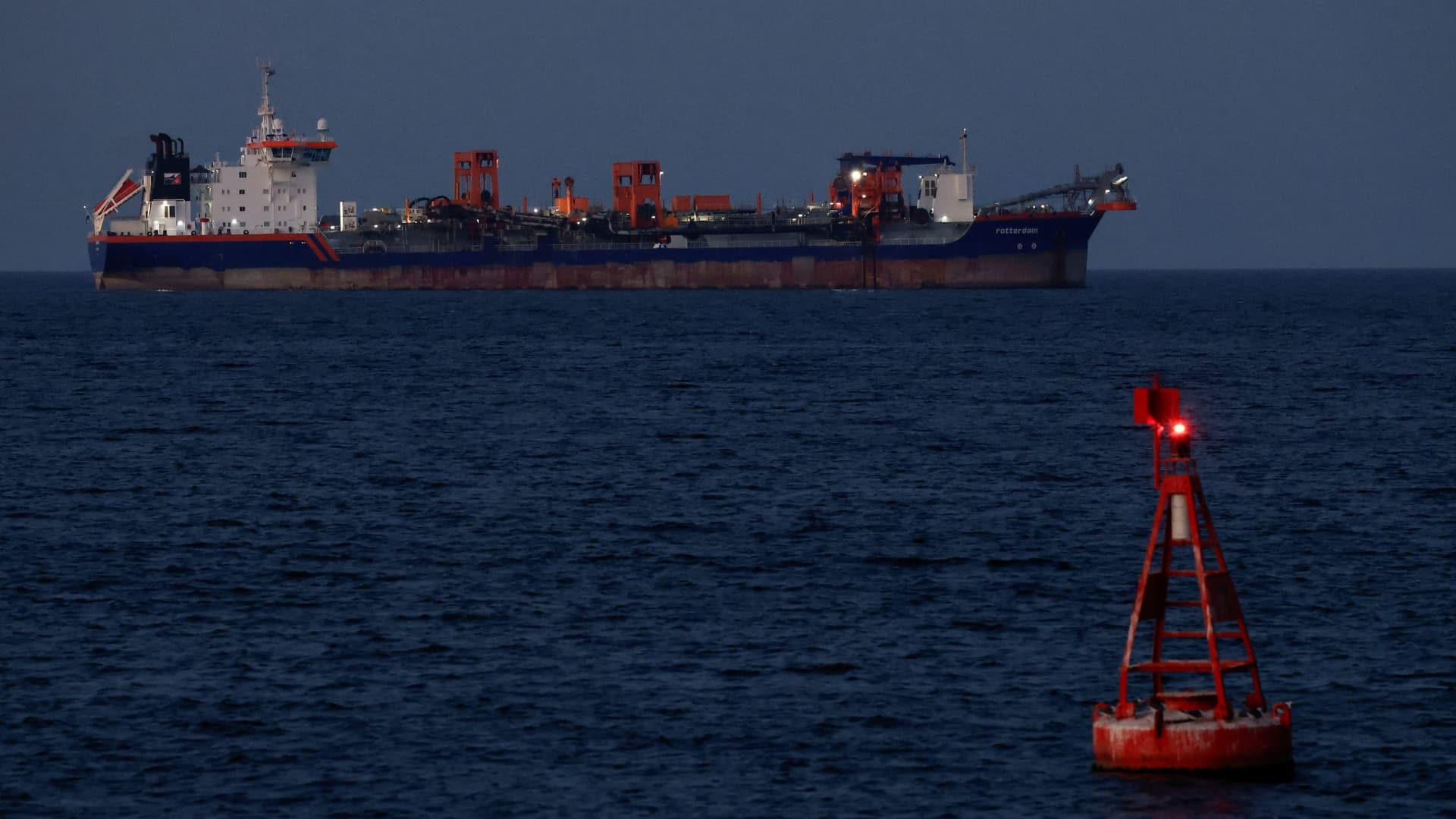
The operational environment in the Strait is far from benign. Less than two weeks into the war, ten vessels in or near the waterway came under Tehran’s attack, resulting in the tragic deaths of at least seven seafarers, as reported by the International Maritime Organization. Iran’s Ministry of Foreign Affairs has issued explicit warnings, stating that tankers transiting through the Strait “must be very careful.” Despite these threats and actual incidents, a portion of the vessels departing Iran since February 28 have been Iranian-flagged, signaling a direct state involvement in these high-risk operations. The continued flow underscores China’s critical reliance on Iranian crude and Iran’s strategic imperative to maintain these exports, regardless of the geopolitical cost.
Market Response Amid Geopolitical Flares and Cooling Prices
The ongoing tensions in the Strait of Hormuz present a stark example of how geopolitical risk is priced into global energy markets. As of today, April 22, 2026, Brent crude trades at $92.9, reflecting a modest decrease of 0.36% within a daily range of $92.57 to $94.21. Similarly, WTI crude stands at $89.45, down 0.25%, with its day range between $88.76 and $90.71. Gasoline prices also saw a slight dip, trading at $3.11, a 0.64% decrease.
Interestingly, despite the persistent threats to a major global shipping lane, the 14-day trend for Brent crude shows a cooling off, declining from $101.16 on April 1, 2026, to $94.09 by April 21, a significant drop of over 7%. This suggests that while the initial shock of the conflict may have boosted prices, market participants are now weighing actual supply disruptions against broader demand fundamentals and the perceived effectiveness of Iran’s continued “dark” exports. Our reader intent data reveals investors are keenly watching these dynamics, with frequent queries like “is WTI going up or down?” and “what do you predict the price of oil per barrel will be by end of 2026?” This indicates a market grappling with contradictory signals: high geopolitical risk versus a recent downward price trend, making clear direction challenging to discern without deeper analysis of underlying supply-demand balances.
Iran’s Export Strategy and China’s Enduring Demand
Iran’s strategic response to the Hormuz conundrum extends beyond merely “going dark.” The country has actively diversified its export infrastructure, notably resuming loading tankers at the Jask oil and gas terminal along the Gulf of Oman. This facility, located south of the Strait of Hormuz, offers a crucial alternative to the traditional Kharg Island terminal, which historically handled around 90% of Iran’s crude exports before transit through the Strait. The operationalization of Jask provides Iran with a vital bypass, potentially reducing the immediate exposure of its crude shipments to the most contested sections of the waterway. This long-term strategic move indicates Iran’s intent to insulate its energy exports from the most severe impacts of future geopolitical confrontations.
China’s role in this equation cannot be overstated. As the primary buyer of Iranian crude in recent years, China provides the essential demand lifeline that allows Iran to continue these high-risk exports. The challenges faced by analysts like Nhway Khin Soe of Kpler in confirming final destinations for these cargoes underscore the opaque nature of this trade. However, the consistent flow of millions of barrels confirms a robust, albeit covert, supply chain. For investors, China’s unwavering demand for Iranian oil, often at discounted rates, acts as a floor for Iranian production and contributes to a more complex global crude supply picture, potentially offsetting some of the supply disruption fears in other regions.
Forward Outlook: Key Catalysts and Investor Scrutiny
Looking ahead, the trajectory of oil prices and the stability of global energy markets will be heavily influenced by both geopolitical developments and fundamental supply-demand shifts. Investors are keenly focused on upcoming data releases for clarity. The EIA Weekly Petroleum Status Reports, scheduled for April 22, April 29, and May 6, will provide crucial insights into U.S. crude oil inventories, refining activity, and product supplied, offering a snapshot of demand. Similarly, the API Weekly Crude Inventory reports on April 28 and May 5 will give an early indication of inventory trends.
Further insights into production activity will come from the Baker Hughes Rig Count on April 24 and May 1. Perhaps most significant for forward-looking analysis will be the EIA Short-Term Energy Outlook (STEO), due on May 2. This comprehensive report will offer updated projections for global oil supply, demand, and prices, incorporating the latest geopolitical risks and economic indicators. Investors seeking answers to questions like “what do you predict the price of oil per barrel will be by end of 2026?” will scrutinize the STEO for its forecasts. Any escalation or de-escalation of tensions in the Strait of Hormuz, combined with the data from these upcoming reports, will dictate the market’s perception of risk premium and the future direction of crude oil prices.