The Republic of Congo has begun exports from Phase 2 of its Congo LNG project, increasing the country’s liquefaction capacity and reinforcing its position as an emerging LNG exporter.

Bruno Itoua, Minister of Hydrocarbons for the Republic of Congo
The second phase, operated by Eni, includes the new Nguya FLNG facility and lifts total project capacity to approximately 3 million metric tons per year. The first cargo from the expanded development was shipped in early 2026 following commissioning of the new unit ahead of schedule.
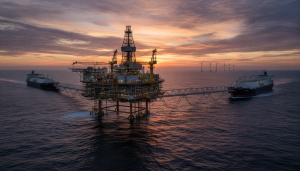
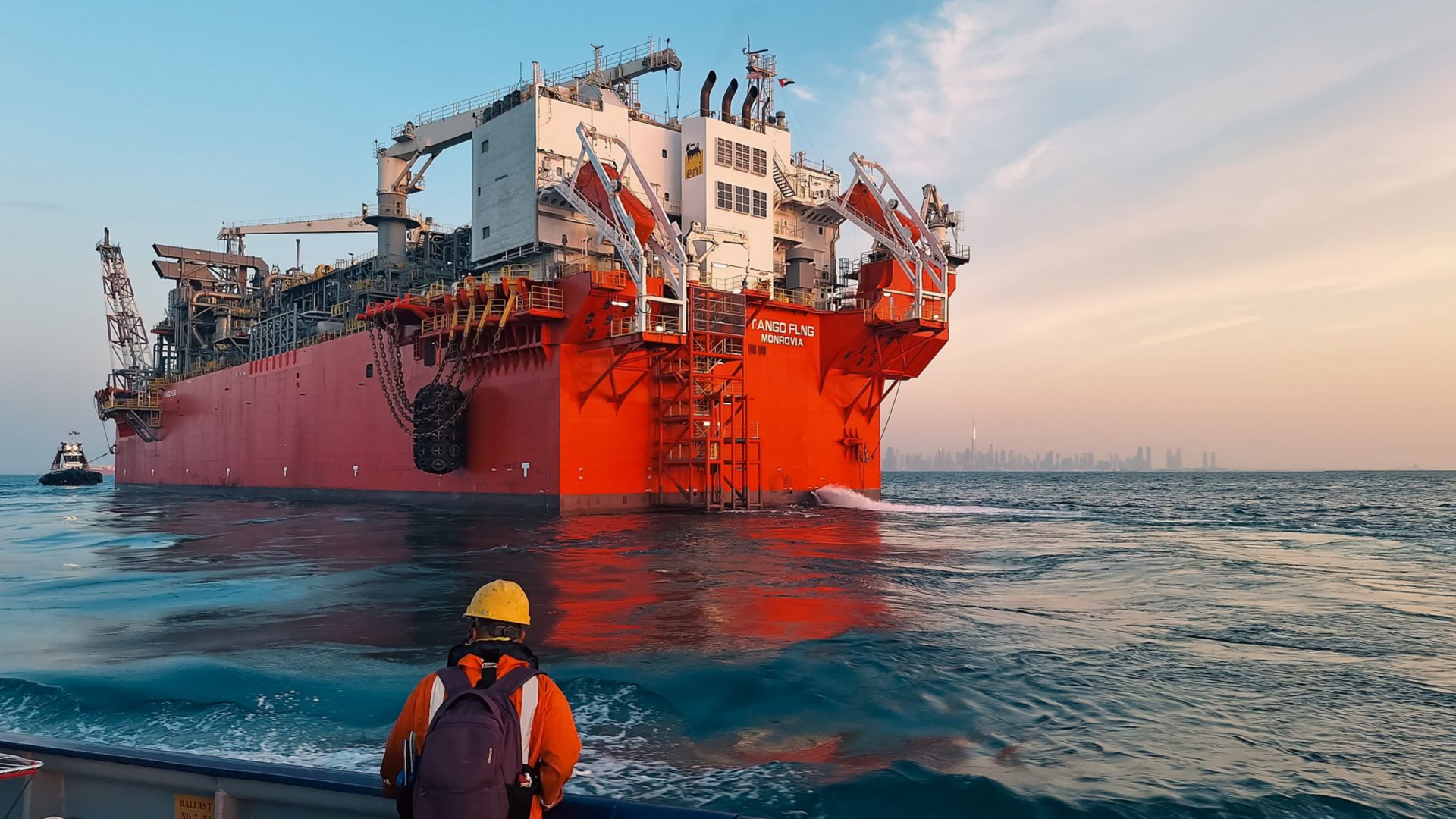
Phase 2 builds on the earlier Tango FLNG installation and expands processing and export capability tied to gas produced from the offshore Nené and Litchendjili fields within the Marine XII license area. The project’s accelerated execution has added new export volumes as global buyers seek diversified gas supply sources.
Additional upstream activity continues across Congo’s offshore sector. TotalEnergies recently secured the Nzombo exploration permit, which includes a planned drilling program, while Perenco is progressing redevelopment work at the Kombi-Likalala-Libondo II field to sustain production and enhance gas recovery.
Congo’s LNG expansion reflects a broader strategy to monetize offshore gas resources and strengthen export capacity through floating liquefaction infrastructure and associated upstream development. The country is positioning natural gas and LNG as central components of its future energy sector growth and export revenue.
Pictured above: Eni’s Tango FLNG, operating offshore Congo.