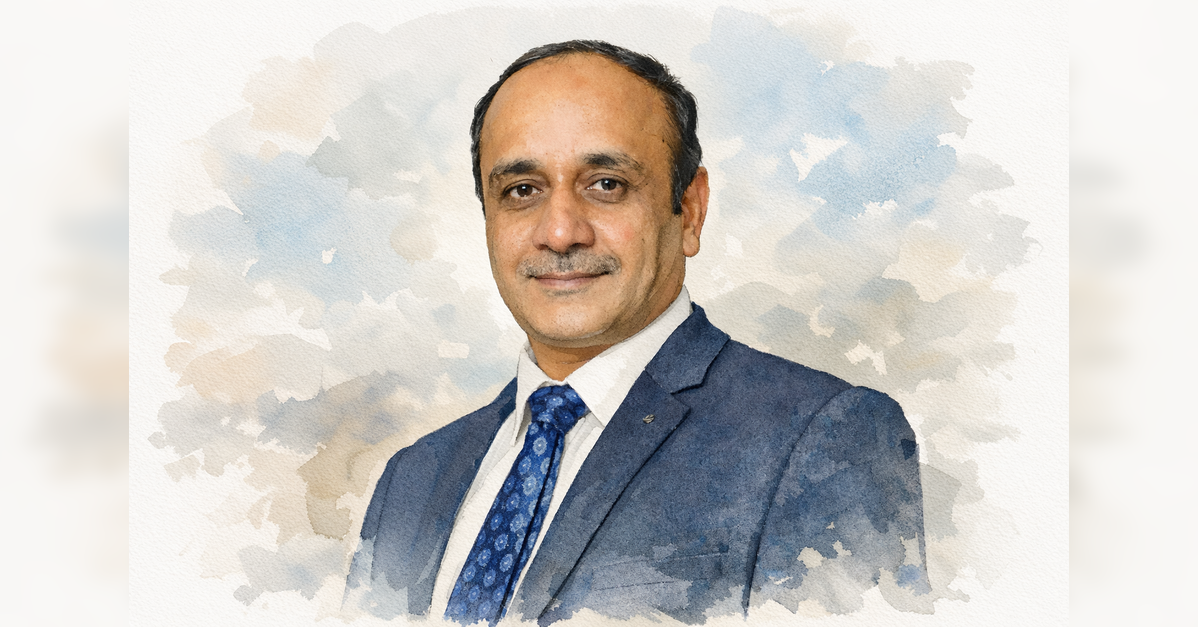
Mahanagar Gas Limited (MGL) plans to set up one of Asia’s largest compressed biogas (CBG) plants in Mumbai as part of a broader strategy to diversify its business and reduce dependence on fossil fuels, its Managing Director Ashu Singhal said at the India Energy Week 2026.
The proposed CBG facility forms a key pillar of MGL’s transition roadmap, under which the city gas distributor aims to move nearly 25 per cent of its portfolio into new, diversified energy segments over time. Singhal said the company views compressed biogas as a critical component of India’s cleaner fuel mix, particularly for urban consumption and transport use.
Expanding footprint
Alongside CBG, MGL is also expanding its footprint in adjacent energy and mobility segments. Singhal said the company has recently created a joint venture for battery manufacturing and has taken equity exposure in electric vehicle manufacturing capabilities. In the long-haul transport segment, where electrification remains challenging, MGL is betting on LNG and has formed a joint venture to expand LNG retail infrastructure.
The diversification push is also aligned with the company’s net-zero ambitions. Singhal said MGL is importing green energy and is targeting scope-1 and scope-2 carbon neutrality between 2030 and 2036, while continuing to strengthen its core city gas distribution operations.
While outlining future initiatives, Singhal also addressed the challenges facing highly regulated city gas distribution companies in volatile energy markets. He said MGL is focusing on improving operating efficiencies, tightening procurement strategies and enhancing portfolio management to defend margins. The company has added a new control room, adopted Salesforce-based CRM systems, and is using multiple procurement indices, such as Henry Hub-linked contracts, Brent-linked contracts, exchange-based gas, APM gas, and New Well gas, to prepare for different market scenarios.
Differentiated strategy for each segment
On the demand side, Singhal said MGL is pursuing differentiated strategies across its four key segments — CNG for transport, PNG for households, commercial consumers such as hotels and malls, and industrial users. In CNG, the company has sharply accelerated infrastructure expansion, increasing the pace of new stations from about 25 a year earlier to over 70 stations annually. In PNG, MGL is adding around three lakh customers and strengthening digital platforms for billing and self-billing.
For commercial customers, MGL is addressing last-mile connectivity challenges by offering engineering, design and financial support. In contrast, industrial customers are being offered more flexible, customer-friendly contracts linked to alternative fuel indices to retain competitiveness.
Singhal also emphasised that gas will continue to play a relevant and complementary role even as cities electrify. He said gas serves as a critical bridging fuel in areas where electrification is not yet viable, particularly in heavy transport and certain urban applications, while domestic PNG remains a “sticky” segment due to India’s cooking practices.