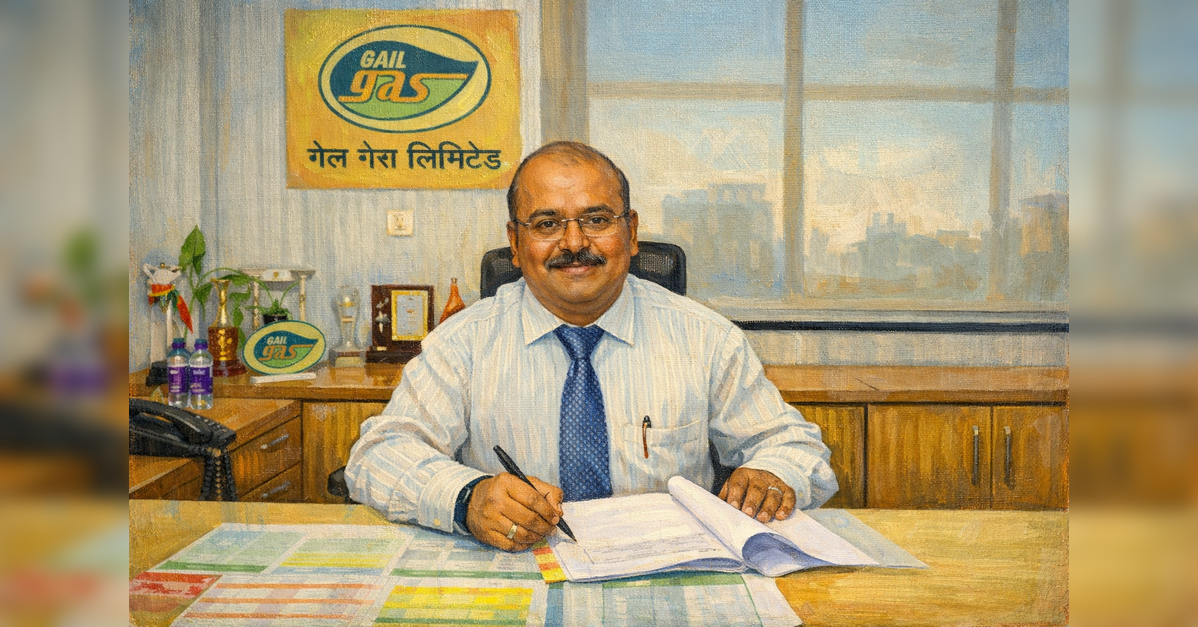
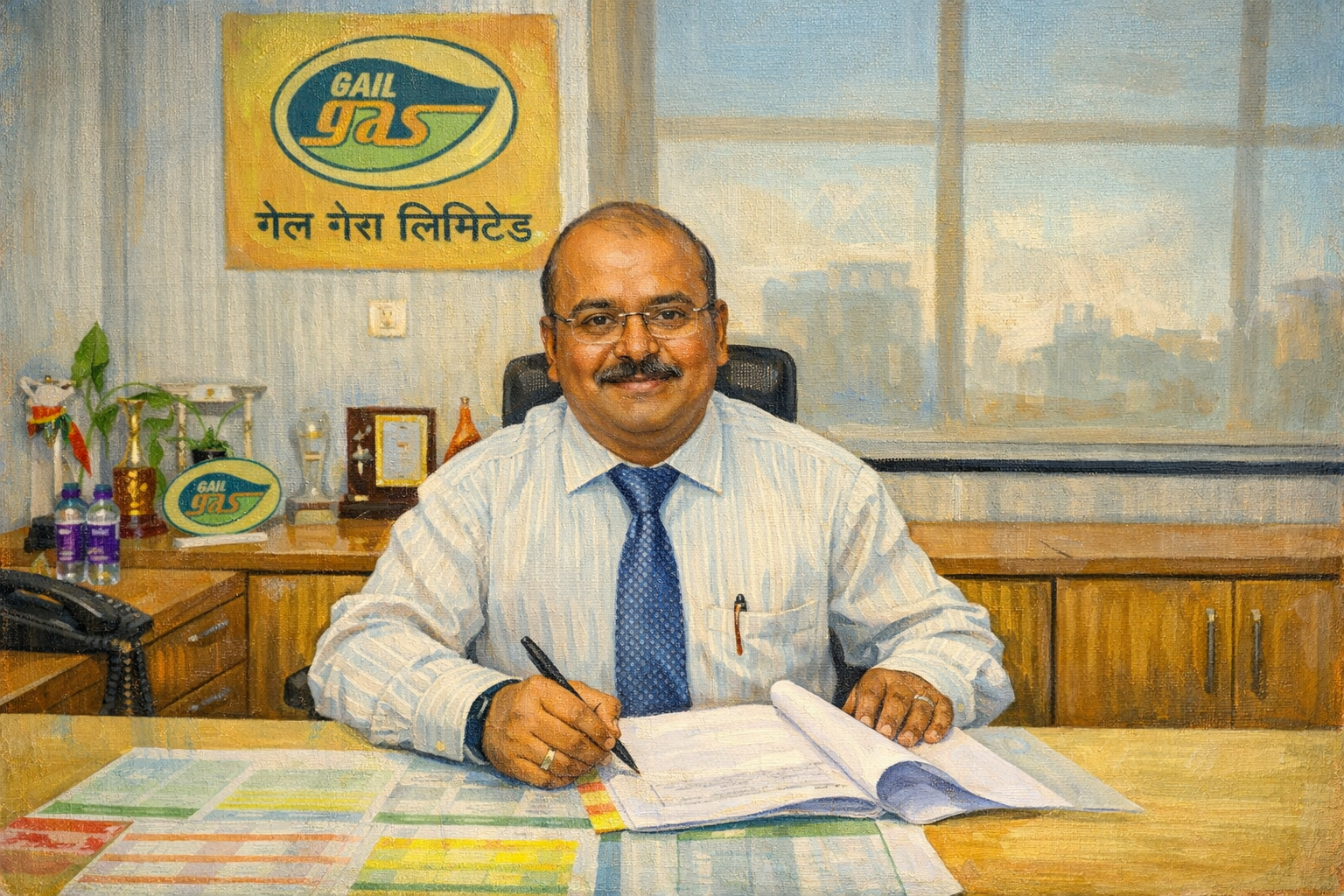
Scaling up city gas distribution (CGD) across India remains economically and operationally challenging due to land constraints, approval delays and high capital intensity, even as natural gas, LNG and future fuels such as hydrogen are expected to coexist in the country’s energy mix, Gautam Chakraborty, CEO of GAIL Gas, said at India Energy Week 2026.
Speaking during an interview at the event, Chakraborty said the expansion of CGD networks has moved beyond urban centres to cover entire districts, including rural areas, where lower population density makes projects more challenging from an economic standpoint.
“In cities, population density supports viability, but when you move into districts with large rural segments, the economics become more difficult,” he said.
He said access to land remains one of the biggest bottlenecks for CGD companies, particularly for setting up CNG stations and gas regulating stations. While land is typically acquired through government agencies, the process is often time-consuming, leading to project delays and cost overruns in an industry that is already capital intensive.
“If approvals take a year longer, it directly leads to cost overruns. That can be painful for city gas companies,” Chakraborty said.
On competition from electric vehicles and renewables, Chakraborty said the gas sector does not see this as a zero-sum challenge. He said multiple fuels — including petrol, diesel, gas and EVs — are likely to coexist for the foreseeable future as India’s energy demand continues to grow. “All fuels will coexist at some point in time,” he said.
Chakraborty said GAIL Gas is making long-term investments in liquefied natural gas (LNG) infrastructure, even though LNG vehicles are currently limited in number. He said the company is setting up LNG stations across its geographical areas, targeting long-haul trucks, buses and mining vehicles that currently run on diesel.
“This is a chicken-and-egg situation. Infrastructure has to come first for LNG vehicles to scale up,” he said, adding that the company’s board has backed the strategy despite near-term challenges.
On hydrogen, Chakraborty said that the fuel remains at a nascent stage due to higher costs and technical challenges, particularly hydrogen-induced brittleness in steel pipelines and equipment. However, he said GAIL Gas is preparing its future infrastructure to be hydrogen-ready, in line with the government’s push.
“Hydrogen is still costly today, but in the long run it could become viable. It is better to be ready,” he said.