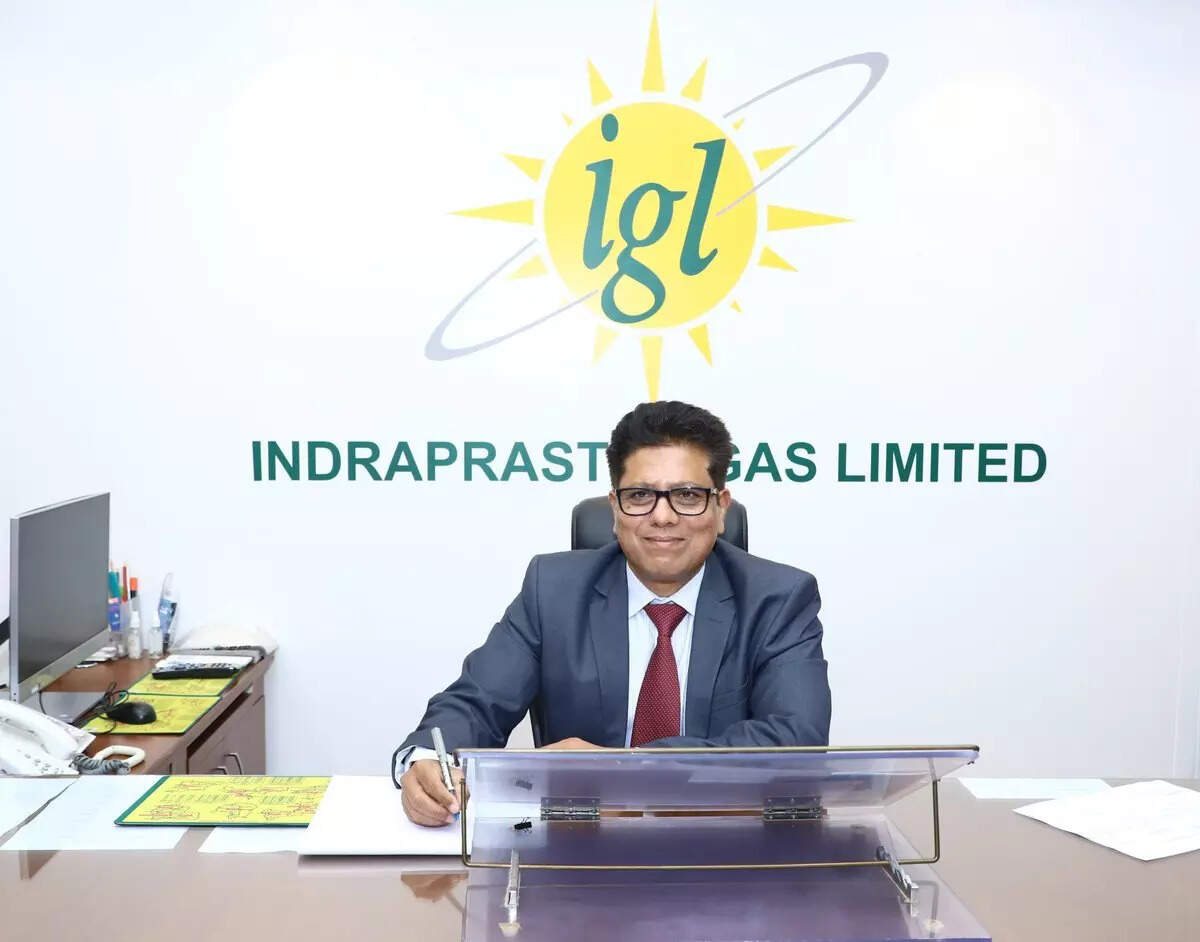
India’s energy transition will be shaped by coexistence rather than substitution of fuels, as the country’s rapid economic growth demands rising energy consumption alongside energy security, according to K K Chatiwal, chairman and managing director of Indraprastha Gas Ltd (IGL).
Speaking to ETEnergyWorld on the sidelines of India Energy Week (IEW) 2026 in Goa, Chatiwal said that India’s status as the world’s fastest-growing major economy makes it imperative to balance transition goals with the need for reliable and affordable energy.
“As India grows, we require both energy transition and energy security. It cannot be one single fuel. All fuels will coexist, though their proportions will keep changing over time,” he said.
Chatiwal said that renewables such as solar and wind, along with gas, compressed biogas (CBG) and biofuels, will see increasing shares, while conventional fuels will continue to play a role as long as India’s growth momentum remains intact.
“CBG is now taking off. It takes time for people to get used to new fuels,” he said, adding that India has the potential to emerge as a global leader in bioenergy, including biofuels and sustainable aviation fuel, due to the availability of municipal, agricultural and industrial biowaste.
He said that IGL has already demonstrated the feasibility of fully replacing RLNG with CBG in one of its city gas distribution geographical areas.
“Our intent was to show that this is possible, especially in smaller geographical areas. Energy transition using domestic gas and waste-to-energy can be done,” he said.
On mobility, Chatiwal said gas and electric vehicles are not competing technologies but will coexist, given India’s infrastructure realities. While CNG can leverage existing fuel infrastructure, EVs require entirely new systems and higher investment, he said.
“India needs an India-specific transition pathway. Replicating what other countries have done may not work here,” he said.
Chatiwal also said diversification is inevitable for mature city gas distribution companies due to regulatory constraints and limited expansion opportunities within existing geographical areas.