EU Methane Rules Threaten Gas Market Stability Amidst Broader Energy Volatility
The European Union’s ambitious climate agenda, particularly its stringent new methane emissions rules and supply chain due diligence directives, stands at a critical juncture. While lauded by environmental advocates, these regulations are increasingly drawing fire from major energy players and even key international allies, who warn of significant destabilization in gas markets. For investors, understanding the intricate balance between environmental commitments and energy security is paramount, especially as the bloc prepares for a complete ban on Russian gas in 2027. Our proprietary data at OilMarketCap.com reveals a volatile crude market, with Brent trading at $90.38 as of today, down a notable 9.07% over the last 24 hours, and nearly 20% lower over the past two weeks. This backdrop of price uncertainty only amplifies the potential for regulatory shifts to create further market ripples, particularly within the sensitive natural gas sector.
The Compliance Conundrum: Tracing Molecules and Diverting Cargoes
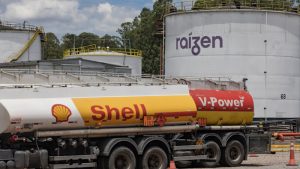
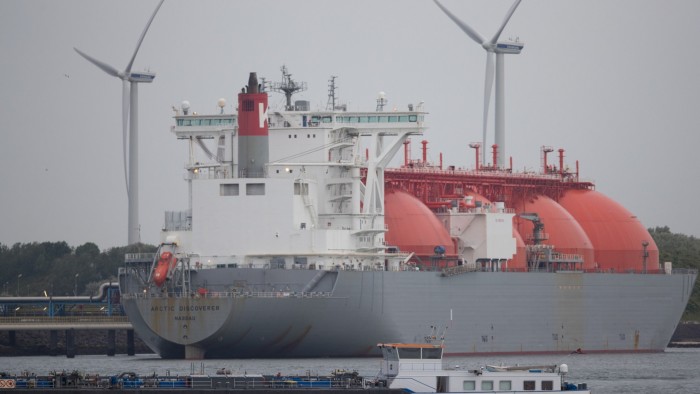
At the heart of the industry’s apprehension lies the perceived impracticality of complying with the EU’s methane law. The requirement to trace the origin and emissions footprint of every molecule within a gas shipment presents an unprecedented logistical hurdle. Companies, including Eurogas members like BP, Shell, and TotalEnergies, argue this is virtually impossible in supply chains originating from regions like the United States, where output from thousands of smaller gas fields converges into large pipelines. Furthermore, the lack of clarity on verification methods and the severity of potential penalties – up to 20% of global turnover – introduces immense operational risk. The stark warning from industry groups is clear: without immediate and substantial changes, gas cargoes destined for Europe may simply be diverted to alternative markets outside the EU. This isn’t an idle threat; the US and Qatar have already communicated similar concerns to Brussels, suggesting a coordinated pushback against rules they deem unworkable. The consequence for Europe could be a missed opportunity to benefit from an anticipated global glut of liquefied natural gas (LNG), leaving the bloc exposed to higher prices and supply shortages.
2027: A Triple Threat to Europe’s Energy Security
The timeline for these regulations magnifies their potential impact. Both the methane emissions rules and the broader supply chain due diligence directive are set to come into full force in 2027. Crucially, this is the very same year the EU intends to implement a complete ban on Russian gas imports. The confluence of these three factors – stringent new rules, a major supply cut-off, and the industry’s compliance difficulties – creates a significant “cliff edge” for Europe’s energy security. Adding to the complexity, the methane regulation will apply to all shipments contracted after August 4, 2024, leaving many companies in limbo regarding existing agreements. While EU lawmakers are slated to vote on potential changes to the due diligence rules next week, US officials have indicated that current simplification efforts may not go far enough to resolve their fundamental concerns. For investors, monitoring the outcome of this vote is critical, as it will signal the EU’s willingness to adapt its regulatory stance in the face of mounting industry and international pressure. The broader energy market also watches events like the upcoming OPEC+ Joint Ministerial Monitoring Committee (JMMC) and full Ministerial Meeting this Sunday and Monday. While directly focused on crude production quotas, any shifts in global oil supply strategy can indirectly influence energy demand and the relative attractiveness of gas, especially if European gas markets face structural impediments.
Addressing Investor Concerns: Price Stability and Strategic Adaptation
Our proprietary reader intent data shows that investors are keenly focused on questions surrounding future price stability and the reliability of market data, with many asking “what do you predict the price of oil per barrel will be by end of 2026?” and seeking insights into data sources. This reflects a broader anxiety about market predictability, which the EU’s proposed gas regulations directly undermine. The threat of diverted LNG cargoes directly impacts the supply-demand balance for European natural gas, raising the specter of price spikes that could ripple through the entire energy complex. Companies like Repsol, which operate across integrated energy value chains, will be closely scrutinized for their adaptability to these evolving regulatory landscapes. Investors are seeking clarity on how these rules will affect the profitability and operational flexibility of major players with significant European exposure, particularly those involved in LNG procurement and distribution. The potential for a “two-tiered” global gas market – one compliant with EU standards and another unburdened by them – could create significant arbitrage opportunities or, conversely, stranded assets for those unable to navigate the new framework.
Investment Implications: Re-evaluating Risk and Opportunity in European Gas
The investment landscape for European natural gas is undeniably shifting. The EU’s drive for groundbreaking environmental standards, while laudable in its climate ambition, is creating tangible risks to energy security and market function. For energy companies, the choice may become one of compliance at significant cost and operational complexity, or redirecting investments and supply to less regulated markets. This scenario could disincentivize new LNG infrastructure investment geared towards Europe, even as the continent seeks to diversify away from pipeline gas. Investors must carefully evaluate the exposure of their portfolios to companies operating within or supplying to the EU gas market. The long-term winners will likely be those who can either demonstrate robust, verifiable low-methane supply chains or pivot effectively to markets less encumbered by these specific compliance challenges. As the 2027 deadline approaches, the interplay between environmental policy, geopolitical realities, and market economics will define the future of Europe’s gas supply and, by extension, investment opportunities in the global natural gas sector.