The AI Energy Imperative: A Nuclear Pivot
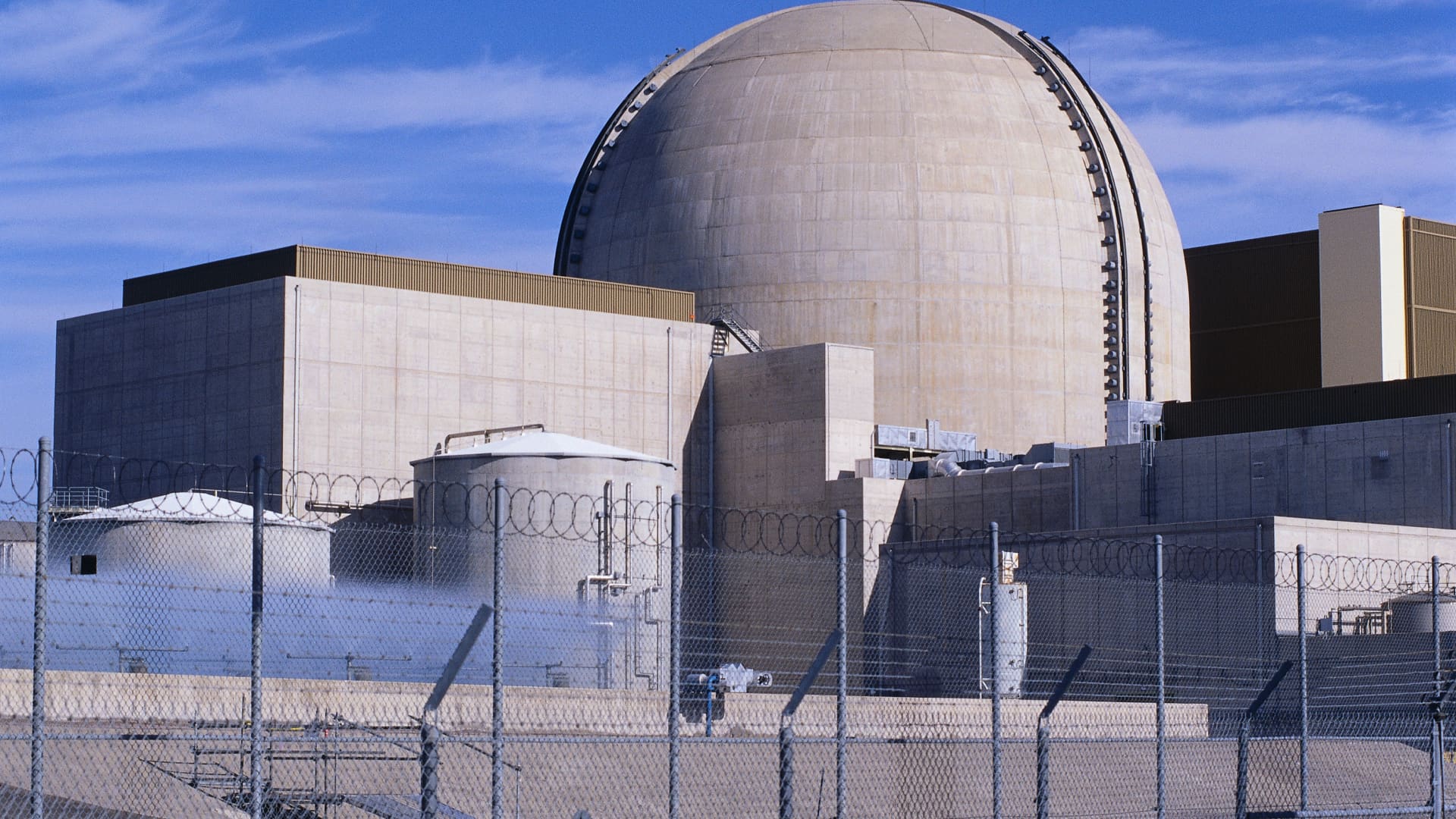
The energy landscape is undergoing a profound transformation, driven by an unexpected yet powerful force: artificial intelligence. While the oil and gas sector remains the backbone of global energy, the burgeoning demand from AI data centers is forcing a reevaluation of traditional energy supply strategies, particularly favoring nuclear power. The recent partnership between Google and NextEra Energy to revive the Duane Arnold Energy Center in Iowa, a 615-MW nuclear plant slated for operation by early 2029, is a bellwether event. This move signals a significant shift, as tech giants seek reliable, 24/7 carbon-free power to fuel their rapidly expanding and incredibly power-hungry AI infrastructure. This isn’t an isolated incident; similar initiatives, like Constellation Energy’s collaboration with Microsoft and Oracle’s plans for data centers powered by small nuclear reactors, underscore a growing industry-wide trend. The Duane Arnold plant, which had previously shut down in 2020 due to its inability to compete with lower-cost natural gas and renewable sources, now finds a renewed purpose. This resurgence highlights how the sheer scale of AI-driven electricity demand, pushing U.S. annual consumption to a record high in 2024, is shifting the economic calculus for nuclear energy, once deemed too costly and publicly contentious.
Navigating Volatility: Crude Markets and the Energy Transition
For oil and gas investors, this nuclear revival, while long-term, adds another layer to the complex energy transition narrative. Current market dynamics reflect a nuanced environment. As of today, Brent Crude trades at $90.38, reflecting a significant -9.07% drop within the day’s range of $86.08-$98.97. WTI Crude follows a similar trajectory, priced at $82.59, down -9.41% from its daily high of $90.34. Gasoline prices also experienced a decline, settling at $2.93, a -5.18% decrease. This recent volatility is not an anomaly; the 14-day trend for Brent crude shows a stark decline from $112.78 on March 30th to today’s $90.38, a substantial drop of nearly 20%. Such fluctuations naturally lead investors to question, “What do you predict the price of oil per barrel will be by end of 2026?” While the short-term market reacts to immediate supply-demand imbalances, the long-term outlook for O&G must now increasingly factor in these new energy sources. The pivot to nuclear by major tech players, initially for carbon-free power, also serves to stabilize local grids, potentially reducing reliance on peaking natural gas plants. This could gradually temper demand growth for natural gas, a segment of the O&G market that has seen significant investment.
OPEC+, Inventories, and the Future Supply-Demand Balance
The immediate future for crude markets hinges on upcoming supply-side decisions and inventory data, which investors are keenly tracking. This weekend brings critical events, with the OPEC+ Joint Ministerial Monitoring Committee (JMMC) meeting on April 19th, followed by the full OPEC+ Ministerial Meeting on April 20th. These gatherings are paramount for investors asking, “What are OPEC+ current production quotas?” Any adjustments to output levels will directly impact global supply and, consequently, crude prices. Following these, the market will scrutinize the API Weekly Crude Inventory report on April 21st and the EIA Weekly Petroleum Status Report on April 22nd, providing vital insights into U.S. inventory levels and demand signals. Further data points, including the Baker Hughes Rig Count on April 24th and May 1st, will offer a glimpse into future production activity. While AI’s energy demand is pushing nuclear, the sheer scale of global energy consumption means conventional O&G will remain indispensable for decades. However, the long-term implications are clear: as AI-driven energy demand continues its exponential rise, partially met by nuclear, O&G companies must adapt. This means focusing not just on maximizing current production but also on optimizing efficiency, exploring carbon capture, and investing in lower-carbon solutions to maintain relevance in an evolving energy mix.
Investment Implications for Oil & Gas in an AI-Powered Future
The strategic shift towards nuclear power by tech giants, driven by AI demand, presents both challenges and opportunities for the oil and gas sector. Upstream companies, while benefiting from sustained global energy demand, may face a gradual erosion of natural gas’s competitive edge in electricity generation if nuclear scales rapidly. This is particularly relevant as the Central Iowa Power Cooperative plans to purchase surplus electricity from the revived Duane Arnold plant, demonstrating how nuclear can integrate into existing grids. Downstream operations, focusing on refined products, will likely see continued demand, especially for transportation fuels, which remain largely insulated from grid-level electricity shifts. However, the wider narrative of decarbonization, now amplified by tech companies’ pursuit of “carbon-free” energy, could accelerate the push for alternative fuels and electrification in other sectors. For investors, this implies a need for careful due diligence on company-specific transition strategies. Those O&G firms investing in carbon capture and storage (CCS), blue hydrogen, or advanced materials for new energy infrastructure may find new avenues for growth. Conversely, companies heavily reliant on natural gas for power generation, without a clear diversification strategy, could face headwinds. The market’s recent sentiment, reflected in the sharp drop in crude prices, suggests a heightened awareness of long-term energy shifts, compelling investors to seek companies demonstrating resilience and adaptability in this evolving AI-powered energy landscape.