A $20 Billion Bet Reawakens: TotalEnergies and the Mozambique LNG Project
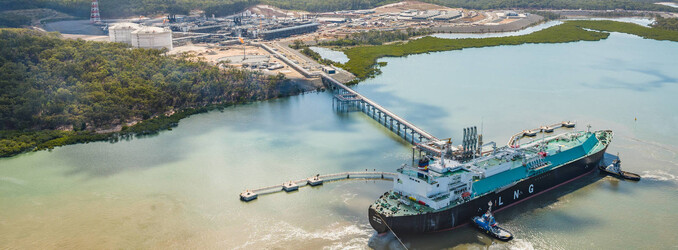
The global energy landscape is constantly shifting, but few stories capture the blend of ambition, geopolitical risk, and long-term strategic play quite like the Mozambique LNG project. After years of dormancy, TotalEnergies SE and its consortium partners have officially moved to lift the force majeure on their massive liquefied natural gas development. This decision marks a pivotal moment, not only for TotalEnergies’ portfolio but also for Mozambique’s economic future and the broader global LNG supply picture. Originally hailed as Africa’s largest private investment at an estimated $20 billion, the project was suspended in 2021 following a severe militant attack near the site. The path to restarting has been complex, involving delicate negotiations on future tax treatment against an estimated $4.5 billion in additional costs incurred since the halt. While the final updated budget and schedule still await approval from Mozambique’s Council of Ministers, this formal declaration by TotalEnergies signals a clear intent to push forward, reigniting investor interest in one of the world’s most significant untapped gas reserves.
Macro Headwinds and the LNG Investment Calculus
The restart of such a monumental project comes at a fascinating juncture for the energy markets. As of today, Brent Crude trades at $90.38, reflecting a notable decline of 9.07% within the day, with WTI Crude similarly affected at $82.59, down 9.41%. This sharp daily drop extends a broader trend, as Brent has fallen from $112.78 just two weeks ago to its current level. Such volatility underscores the inherent risks and rewards in large-scale energy investments like Mozambique LNG. While the long-term demand for natural gas, particularly in Asia and Europe, remains robust, near-term price fluctuations can influence investor sentiment and financing costs. Our reader intent data shows significant investor interest in future oil price trajectories, with many asking for predictions on the price of oil per barrel by the end of 2026. This focus highlights the need for projects like Mozambique LNG to demonstrate resilience and competitive economics even amidst a dynamic pricing environment. The significant capital outlay and extended development timeline mean that a stable and predictable long-term price outlook for LNG is paramount for maximizing returns and mitigating financial exposure for TotalEnergies and its partners.
Persistent Security Risks: A Shadow Over Cabo Delgado
While the economic promise of Mozambique LNG is undeniable, the project’s location in the Cabo Delgado province continues to present significant security challenges that investors cannot ignore. The initial suspension in 2021 was a direct consequence of an Islamic State-linked militant attack on Palma, near the project site. Although foreign troops have played a crucial role in containing the violence since then, recent months have unfortunately seen a resurgence of insurgency activity. The United Nations Office for the Coordination of Humanitarian Affairs reported this week that nearly 100,000 people have been displaced since September, painting a stark picture of ongoing instability. Furthermore, with 633 incidents targeting civilians recorded so far, 2025 is on track to become one of the most violent years in recent history for the region. For a project of this scale, which aims to transform one of the world’s poorest nations, sustained security is not merely an operational concern but a fundamental prerequisite for successful execution, attracting and retaining skilled labor, and ensuring the long-term viability of the investment. TotalEnergies and the Mozambican government will need to demonstrate continued, effective measures to secure the area and protect communities, which remains a key risk factor in any investor’s assessment.
Navigating the Future: Key Catalysts and Investor Insights
Looking ahead, the formal restart of Mozambique LNG hinges on a final, crucial step: approval from Mozambique’s Council of Ministers for an addendum to the development plan, which will incorporate the updated budget and schedule. This administrative hurdle is expected to be largely procedural following the consortium’s decision to lift force majeure and the government’s prior agreement on tax treatment. Beyond this immediate catalyst, the broader market environment will continue to shape the investment thesis for LNG projects. Our proprietary event calendar highlights several key upcoming dates that could influence the market: the OPEC+ JMMC and Ministerial Meetings on April 19th and 20th, respectively, followed by regular API and EIA inventory reports. These events are closely watched by investors, particularly those asking about OPEC+ current production quotas, as they directly impact global oil supply, and by extension, broader energy prices and sentiment. A tightening or loosening of supply, driven by OPEC+ decisions, could either reinforce the case for new LNG capacity or introduce further price volatility. For TotalEnergies, the successful progression of Mozambique LNG will reinforce its position as a leading global LNG player, offering long-term supply diversification and exposure to a commodity with enduring demand, even as market participants remain keenly focused on crude price stability and geopolitical developments.


