Navigating Volatility: The Strategic Value of Sustainability Consulting in a Shifting Energy Landscape
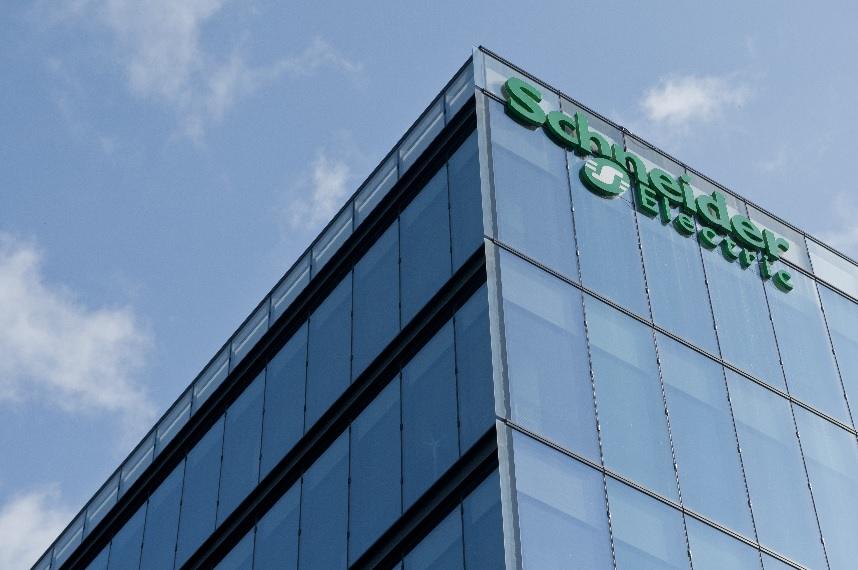
The global energy sector continues its relentless march through a period of unprecedented volatility and strategic re-evaluation. Amidst daily price swings and long-term decarbonization mandates, the recent launch of SE Advisory Services by Schneider Electric marks a significant move, offering a dedicated consulting practice focused on helping businesses master energy efficiency, sustainability, and technological integration. For oil and gas investors, this development underscores a critical trend: the increasing need for integrated solutions that address both immediate operational challenges and the overarching pressures of the energy transition. As commodity markets gyrate, the demand for clear, actionable strategies to optimize energy use and reduce carbon footprints is soaring, becoming a core component of future-proofing energy sector investments.
Market Swings and the Drive for Operational Resilience
The current market snapshot paints a vivid picture of the challenges facing energy companies. As of today, Brent crude trades at $90.38 per barrel, representing a notable 9.07% decrease from its opening, while WTI crude stands at $82.59, down 9.41%. This sharp daily decline follows a broader trend, with Brent having plummeted nearly 20% from its March 30th price of $112.78. Such dramatic shifts highlight the inherent unpredictability of commodity markets, making operational resilience and cost control paramount. In this environment, solutions that promise enhanced energy efficiency, automation, and digitalization — the very pillars of SE Advisory Services — are no longer optional but essential. Companies are seeking external expertise to identify and implement strategies that insulate them from price shocks, improve asset performance, and reduce waste, allowing capital to be reallocated towards growth initiatives rather than being consumed by inefficient operations. This strategic pivot towards internal optimization is a direct response to the external market’s capriciousness.
Integrated Solutions: Answering Investor Demand for Clarity and Data
Our proprietary reader intent data reveals a consistent theme among investors: a deep hunger for clarity, reliable data, and sophisticated tools to navigate complexity. Investors are actively asking about long-term oil price predictions for the end of 2026 and seeking to understand the data sources that power advanced market insights. Schneider Electric’s new practice, with its emphasis on “Intelligent Software” embedded with native AI capabilities and built on deep advisory expertise, directly addresses this demand. The shift from traditional advisory to an end-to-end approach, including software and project implementation, reflects a market need for tangible, executable solutions rather than just recommendations. Investors are increasingly evaluating companies not just on their current output or reserves, but on their strategic agility and capacity to leverage technology for sustainable value creation. The integration of digital transformation, process electrification, and low-carbon infrastructure, as offered by Schneider, represents a proactive step towards building resilient, future-ready operations that can adapt to market shifts and deliver long-term value, aligning perfectly with what our most informed readers are seeking.
Upcoming Events and the Long-Term Strategic View
The immediate focus of many oil and gas investors remains on critical upcoming events that will shape short-term market dynamics. The OPEC+ Joint Ministerial Monitoring Committee (JMMC) Meeting on April 19th, followed by the full OPEC+ Ministerial Meeting on April 20th, will provide crucial insights into supply-side policies. Weekly inventory reports from API and EIA, scheduled for April 21st/22nd and April 28th/29th, will offer further clarity on demand trends and storage levels, while the Baker Hughes Rig Count reports on April 24th and May 1st will indicate production activity. These events are vital for short-term trading and portfolio adjustments. However, it is precisely this constant cycle of market-moving news that underscores the strategic importance of services like those offered by Schneider Electric. While investors track OPEC+ quotas and inventory builds, companies themselves are simultaneously grappling with the imperative to decarbonize and optimize operations. The long-term trajectory of the energy sector, influenced by global climate goals and technological advancements, means that even as crude prices fluctuate in response to immediate supply/demand signals, the underlying drive for sustainability and efficiency will persist and grow. Companies that proactively invest in these areas are likely to be better positioned to weather future market storms and attract capital from a broader base of sustainability-minded investors.


