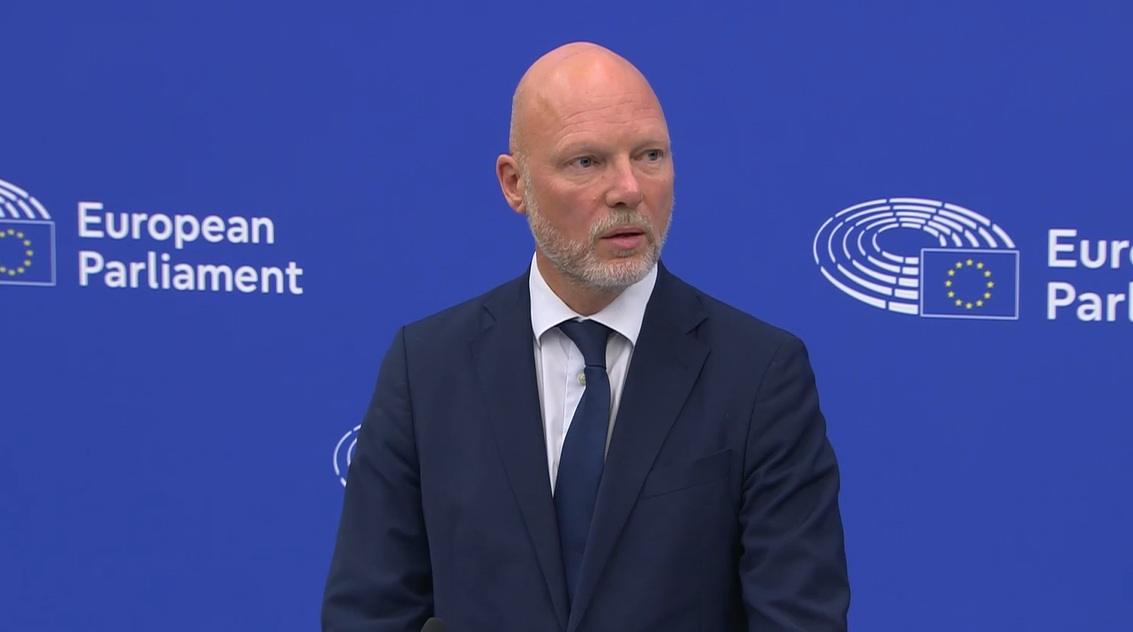
The European Parliament’s recent rejection of a compromise package aimed at easing sustainability reporting and due diligence requirements has sent a clear signal of continued regulatory pressure on businesses, including significant players in the oil and gas sector. This decision, which narrowly defeated a deal designed to simplify compliance under initiatives like the Corporate Sustainability Reporting Directive (CSRD) and the Corporate Sustainability Due Diligence Directive (CSDDD), plunges companies back into a state of uncertainty. For oil and gas investors, this outcome is not merely procedural; it directly impacts operational costs, strategic planning, and ultimately, shareholder value, especially at a time when global energy markets are already navigating significant volatility.
EU’s Stalled Simplification Agenda and its Impact on O&G
The “Omnibus I” initiative, originally proposed by the European Commission in February, sought to streamline a complex web of environmental, social, and governance (ESG) regulations. The rejected compromise represented a middle ground, attempting to significantly raise thresholds for compliance compared to the Commission’s initial proposals, yet still falling short of demands from parties seeking much deeper cuts. For instance, the compromise would have dramatically altered the CSRD’s scope, moving from a 250-employee threshold to 1,000 employees and adding a €450 million revenue threshold. Even more impactful, the CSDDD’s reach would have been narrowed to companies with 5,000 employees and over €1.5 billion in revenues, a substantial increase from the 1,000-employee threshold initially considered. The failure of this compromise means that the prospect of reduced compliance burdens, which would have offered a reprieve to many European-domiciled or Europe-exposed oil and gas firms, is now delayed, if not entirely off the table. This legislative limbo forces companies to plan for potentially more stringent and broader ESG requirements, impacting everything from supply chain management to financial reporting, and adding layers of complexity to capital allocation decisions.
Market Headwinds Meet Regulatory Headwinds
The timing of this EU parliamentary decision could not be more critical for the energy sector. As of this morning, Brent Crude trades at $90.38 per barrel, a notable decline of 9.07% from its previous close, while WTI Crude stands at $82.59, down 9.41%. Gasoline prices have also seen a significant dip, trading at $2.93, down 5.18%. This recent market correction is part of a broader trend, with Brent having fallen by nearly 20% over the last 14 days, from $112.78 to its current level. This significant downturn in crude prices directly compresses profit margins for producers, refiners, and distributors across the oil and gas value chain. Against this backdrop of declining revenues and market uncertainty, the prospect of increased or maintained stringent ESG compliance, without the expected simplification, presents a formidable challenge. European oil and gas majors, as well as mid-sized independents operating within the EU or with substantial EU supply chain exposure, will face heightened pressure to absorb these compliance costs at a time when financial flexibility is already constrained. Investors are keenly asking about the long-term price outlook for oil by the end of 2026, and this regulatory friction adds another layer of complexity to those projections, potentially dampening investment sentiment for European energy assets.
Investor Focus: Navigating Uncertainty and Upcoming Catalysts
Our proprietary reader intent data reveals a strong focus from investors on the performance of specific European energy companies, alongside overarching concerns about future oil prices and supply-side dynamics. The rejection of the ESG easing package directly impacts investor confidence in companies like Repsol, for example, given their significant European footprint. The continued ambiguity surrounding CSRD and CSDDD thresholds means that European oil and gas entities must continue to allocate substantial resources to mapping their supply chains, assessing human rights and environmental impacts, and preparing extensive sustainability reports. These are non-trivial costs that detract from capital available for exploration, production, or shareholder returns. The market, however, is not without its immediate catalysts that could influence the financial landscape. Investors should be closely monitoring the upcoming OPEC+ Joint Ministerial Monitoring Committee (JMMC) Meeting on April 19th, followed by the full OPEC+ Ministerial Meeting on April 20th. Any decisions regarding production quotas will have an immediate and significant impact on crude prices, potentially offering a buffer against rising compliance costs or exacerbating the current price slide. Furthermore, the weekly API and EIA inventory reports on April 21st, 22nd, 28th, and 29th will provide crucial insights into supply-demand balances, while the Baker Hughes Rig Count on April 24th and May 1st will signal future drilling activity and production trends. These events will offer critical signals for navigating the dual pressures of market volatility and regulatory uncertainty.
The Path Forward: Strategic Imperatives for O&G Investment
With the “Omnibus I” initiative now returning to the negotiation stage within the European Parliament, the path forward remains opaque. This creates a challenging environment for long-term strategic planning. Investors must prepare for scenarios ranging from a re-negotiated, slightly eased package to a more stringent set of regulations that hew closer to the Commission’s original proposals or even more ambitious targets from left-leaning factions. Key areas to watch will be the final employee and revenue thresholds for CSRD and CSDDD, the extent of due diligence required from direct versus indirect business partners, and the specific application of the Carbon Border Adjustment Mechanism (CBAM) to imported energy products or carbon-intensive components. Companies with robust internal ESG frameworks and proactive engagement with sustainability reporting will be better positioned to adapt to whatever final form these regulations take. For investors, this means prioritizing companies that demonstrate not only strong operational fundamentals but also a clear, well-articulated strategy for managing ESG risks and capitalizing on sustainability opportunities. The ability to navigate this complex regulatory landscape while optimizing for a volatile commodity price environment will be a defining characteristic of resilient oil and gas investments in the European theatre.


