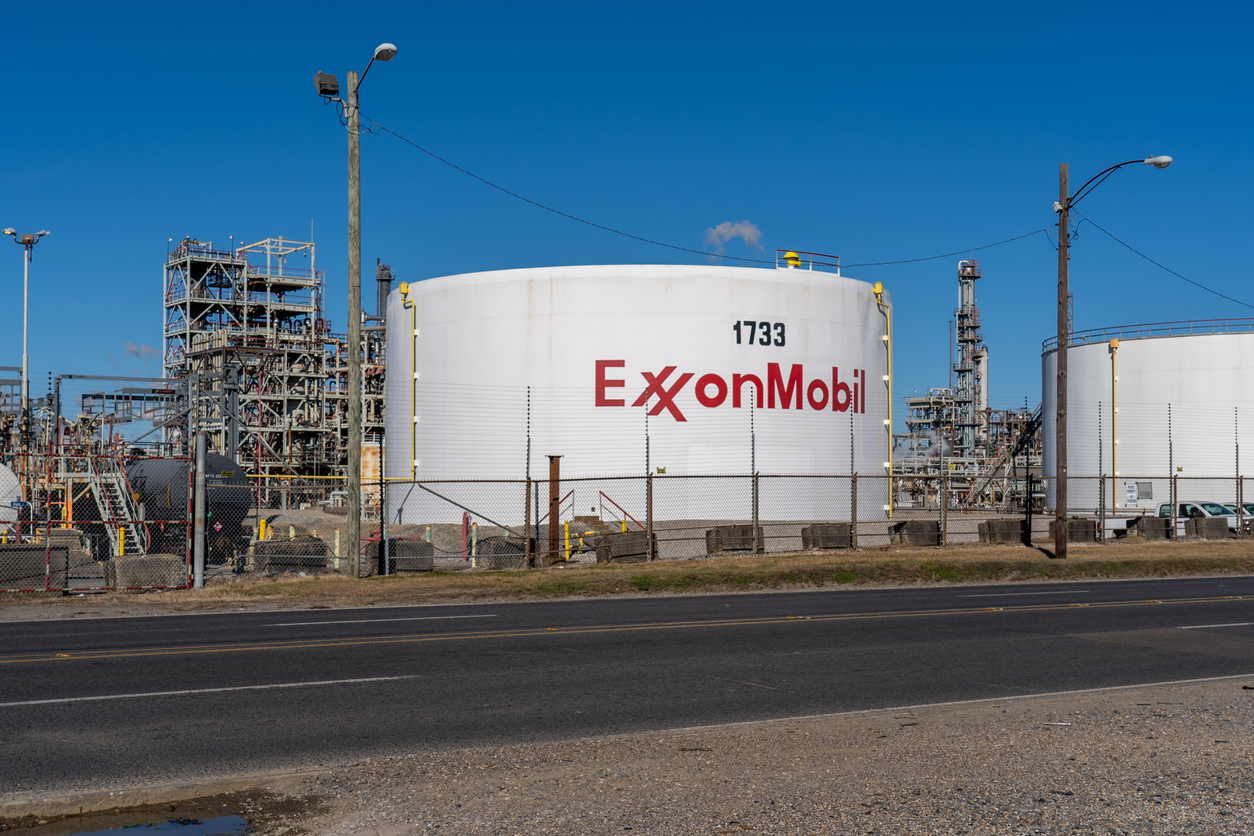
Exxon Mobil Corp. is strategically recalibrating its global investment footprint, signaling a clear shift in focus that reflects both geopolitical realities and evolving technological frontiers. Recent comments from CEO Darren Woods underscore a pivot away from the European Union due to what the company perceives as burdensome regulatory frameworks, towards regions offering more favorable policy environments and untapped resource potential. This re-evaluation comes at a critical juncture for the energy sector, prompting investors to closely examine how these strategic adjustments position the integrated giant for sustained growth amidst market volatility and the relentless demand for energy.
Geographic Rebalancing Amidst Regulatory Divergence
Exxon Mobil’s leadership has voiced strong criticisms regarding the European Union’s energy policies, describing their climate and human rights regulations as “slowing things down and trying to over-prescribe unpractical” solutions. This sentiment is not new, echoing earlier strong objections to directives like the Corporate Sustainability Due Diligence Directive. Consequently, Exxon is reportedly decelerating its investment in the bloc and actively divesting assets, indicating a strategic retreat from a region increasingly viewed as challenging for traditional upstream and downstream operations.
In stark contrast, the company has praised the United States’ energy approach, which Woods characterized as fostering “a more balanced conversation” and “a very explicit recognition of the vital role that energy plays in economic growth and in people’s everyday prosperity.” For investors, this divergence highlights a critical factor in capital allocation: regulatory certainty and supportive policy frameworks. Companies like Exxon are inherently long-cycle businesses, requiring stable and predictable operating environments for multi-billion dollar projects. The strategic shift suggests that capital will increasingly flow to jurisdictions where the political and regulatory landscape is perceived as more conducive to long-term energy development, directly impacting future revenue streams and shareholder returns.
The Future of U.S. Shale: Innovation as a Growth Catalyst
While the U.S. offers a more welcoming regulatory environment, Exxon Mobil remains acutely aware of the intrinsic challenges within its key domestic growth engine: U.S. shale. The company has expressed concerns that the rapid growth in U.S. shale oil output is poised to decelerate. This potential plateau is largely attributed to the current recovery rates, which hover around a modest 10% of the oil held within shale reservoirs. This efficiency ceiling presents a significant hurdle for maintaining the explosive production growth witnessed over the past decade.
However, Exxon’s outlook isn’t entirely pessimistic. The path to sustained shale growth, according to the company, lies in technological innovation aimed at substantially increasing recovery rates. Should companies unlock methods to extract significantly more than the current 10%, the implications for global supply and investor returns would be profound. As of today, WTI Crude trades at $82.59, down 9.41% within a day range of $78.97-$90.34. Improving recovery rates would not only bolster Exxon’s production volumes but also enhance the economic resilience of these assets, making them more profitable even in periods of price volatility. Investors frequently ask about the trajectory of oil prices into late 2026; technological breakthroughs in shale would add a powerful supply-side factor, influencing long-term price predictions and potentially extending the life of what some see as a maturing resource base.
Frontier Markets and Strategic Diversification
Beyond optimizing existing assets, Exxon Mobil is also looking to frontier markets for future growth. The company’s recent re-engagement in Iraq, specifically a deal related to the Majnoon oil field, signals a willingness to pursue high-potential, albeit higher-risk, international opportunities. Woods cautioned that this venture still has “a long road ahead for us before anything comes to fruition,” emphasizing the inherent complexities and extended timelines associated with major projects in politically sensitive regions.
This move highlights a multi-faceted strategy: while pulling back from certain established, but highly regulated, markets, Exxon is simultaneously planting seeds in new geographies. These frontier investments act as long-term growth hedges, diversifying the company’s asset portfolio and providing potential upside once these complex projects mature. The investment calculus for such ventures is heavily influenced by global market conditions. As of today, Brent Crude trades at $90.38, down 9.07% within a day range of $86.08-$98.97. This current price point, while seeing a sharp daily decline, remains at a level that supports investment in long-cycle projects, provided the geopolitical and contractual terms are robust enough to mitigate the inherent risks. Such strategic diversification is key for integrated energy majors aiming to sustain production and reserves for decades to come.
Navigating Current Market Volatility and Upcoming Catalysts
The global oil market is currently navigating a period of heightened volatility, a critical consideration for any investment in the energy sector. As of today, Brent Crude trades at $90.38, reflecting a significant 9.07% decline within a day range that saw prices fluctuate between $86.08 and $98.97. This recent downturn continues a pronounced trend from earlier in the month, with Brent having fallen from $112.78 on March 30th to today’s $90.38, representing a nearly 20% correction in less than three weeks. WTI Crude mirrors this trend, standing at $82.59, down 9.41% from its daily high. This dynamic environment necessitates a keen eye on upcoming market catalysts.
Investors are keenly focused on production quotas and market balance, questions that will likely be addressed by the imminent OPEC+ meetings. The Joint Ministerial Monitoring Committee (JMMC) is scheduled to convene on April 19th, followed by the full OPEC+ Ministerial Meeting on April 20th. Any decisions regarding production levels from these gatherings could introduce significant short-term price movements and impact the global supply outlook. Furthermore, weekly inventory data provides crucial insights into demand and supply dynamics. The API Weekly Crude Inventory reports on April 21st and April 28th, alongside the EIA Weekly Petroleum Status Reports on April 22nd and April 29th, will offer granular detail on U.S. crude and product stockpiles. These events, coupled with the Baker Hughes Rig Count reports on April 24th and May 1st, will collectively shape near-term market sentiment and influence the operating environment for companies like Exxon Mobil, making the coming fortnight particularly critical for energy investors.