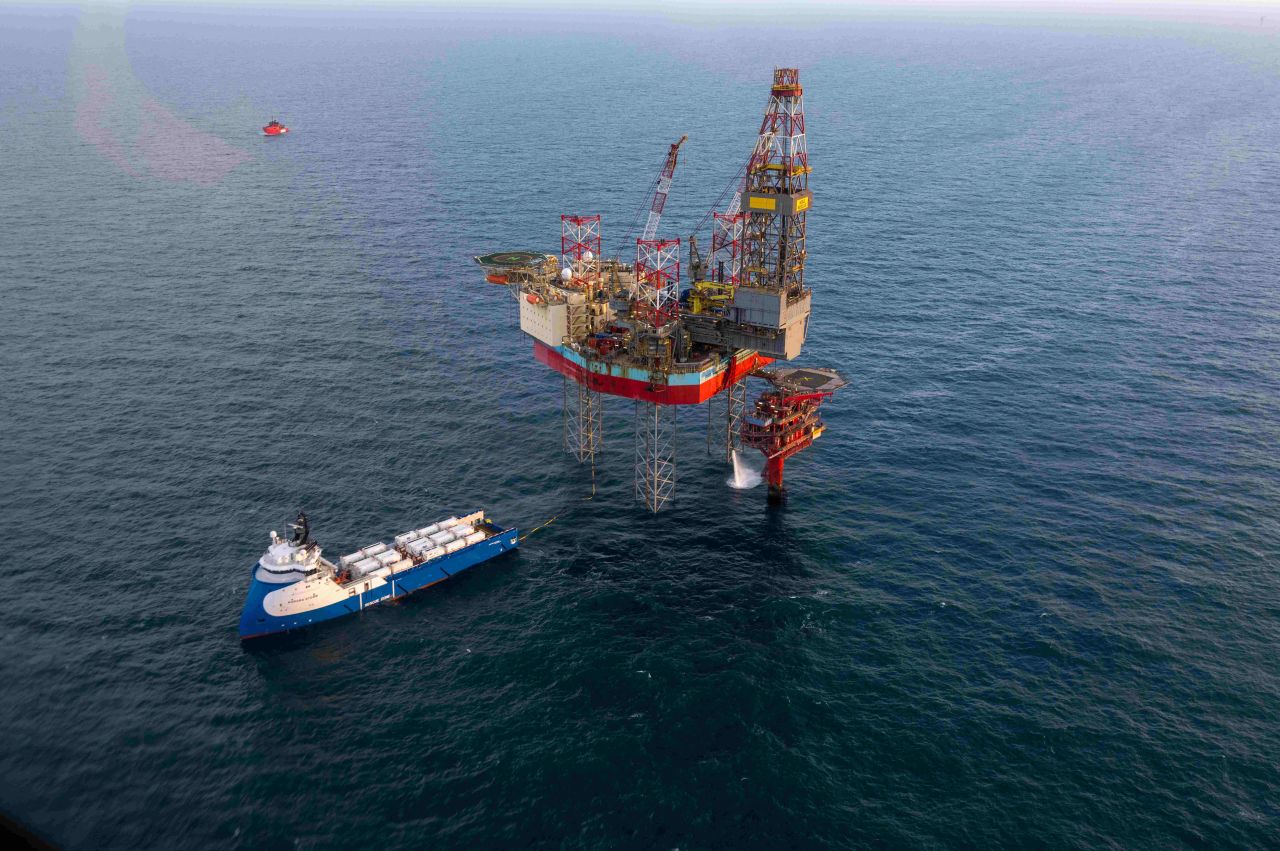
The global energy landscape is undergoing a profound transformation, and companies like INEOS Energy are at the forefront of this shift, actively pursuing ambitious decarbonization strategies. Recent contract awards to Score, a key partner in Europe’s energy transition, underscore the growing momentum in carbon capture and emissions reduction technologies. For savvy investors, these developments signal not just a commitment to sustainability but also tangible opportunities within the evolving oil and gas sector. As traditional hydrocarbon markets navigate volatility, strategic investments in solutions like the Greensand Project offer a glimpse into the future of energy value creation.
INEOS Energy’s Bold Bet on Carbon Capture
INEOS Energy’s significant commitment to the Greensand Project marks a pivotal moment in Europe’s climate strategy. This initiative, centered in Denmark, aims to store an initial 400,000 tonnes of CO₂ annually, with an ambitious target to scale capacity to 8 million tonnes per year by 2030. Such a rapid expansion plan highlights the urgent demand for robust, scalable carbon capture and storage (CCS) solutions. Score’s pivotal role in this endeavor, securing multiple purchase orders to supply 480 custom-engineered manual and actuated valves, demonstrates the critical need for specialized infrastructure components. These valves are not merely off-the-shelf items; they represent a technical collaboration designed for the challenging operational conditions inherent in long-term CO₂ storage. For investors, this signals a growing market for specialized industrial components and engineering services that underpin the multi-billion-dollar CCS industry, which is poised for substantial growth over the next decade.
Digital Integration Driving Emissions Reduction and Investor Confidence
Beyond physical infrastructure, the digital transformation of emissions management is becoming equally crucial. Score’s success in securing three new framework agreements for Leak Detection and Repair (LDAR) services in Denmark—covering INEOS Energy’s North Sea offshore assets, Ørsted’s Nybro Gas Treatment Plant, and Energinet’s gas storage facilities at Lille Torup and Stenlille—underscores this trend. The collaboration with digital solutions partner asset55, integrating their Operate platform, is particularly noteworthy. This software-led approach provides essential tools like emissions dashboards, survey data migration, and workflow optimization, crucial for complying with stringent EU Regulation 2024/1787. Investors are increasingly scrutinizing environmental performance, and technologies that enhance precision and transparency in emissions reporting offer a clear competitive advantage. Our proprietary intent data shows investors are keenly interested in the data sources and APIs powering market insights, reflecting a broader demand for verifiable, digital-first solutions in the energy sector. This push towards integrated technology-driven solutions not only accelerates the energy transition but also builds trust and provides verifiable metrics for ESG-conscious portfolios.
Navigating Market Volatility Amidst Strategic Decarbonization
The commitment to long-term decarbonization unfolds against a backdrop of ongoing market volatility in traditional energy commodities. As of today, Brent Crude trades at $90.38, marking a significant decline of 9.07% within the day, with its range fluctuating between $86.08 and $98.97. Similarly, WTI Crude is at $82.59, down 9.41%. This sharp daily downturn follows a broader trend; Brent has shed nearly 20% over the past 14 days, dropping from $112.78 on March 30th. Such price swings can create headwinds for traditional oil and gas producers, yet they also reinforce the strategic imperative for diversification into energy transition technologies. While some investors are asking about the short-term trajectory, many are looking further out, with questions emerging about the predicted price of oil per barrel by the end of 2026. This dual focus highlights the tension between immediate market dynamics and the long-term structural shifts driven by decarbonization efforts. Companies like INEOS, by investing aggressively in projects like Greensand, are signaling their intent to build resilience and new revenue streams independent of day-to-day crude price fluctuations.
Upcoming Events and the Future Investment Landscape
The coming weeks present several critical events that could significantly influence the energy market and, by extension, the funding environment for decarbonization projects. Investors are closely monitoring the OPEC+ Joint Ministerial Monitoring Committee (JMMC) Meeting on April 19th, followed by the full OPEC+ Ministerial Meeting on April 20th. These gatherings will provide crucial insights into production quotas and supply strategies, directly impacting global crude prices. Our proprietary data indicates a strong investor interest in “OPEC+ current production quotas,” underscoring the market’s sensitivity to these decisions. While these meetings primarily address conventional oil supply, their outcomes invariably affect capital allocation across the energy spectrum. Sustained high oil prices might free up capital for energy transition investments, while a market downturn could compel a re-evaluation of project timelines. Furthermore, the API Weekly Crude Inventory reports (April 21st, April 28th) and EIA Weekly Petroleum Status Reports (April 22nd, April 29th) will offer granular data on U.S. supply and demand, providing further indicators for market sentiment. For investors positioning for the future, observing how these traditional market signals interact with the accelerating pace of decarbonization, as exemplified by INEOS’s strategic moves, will be key to identifying long-term value.


