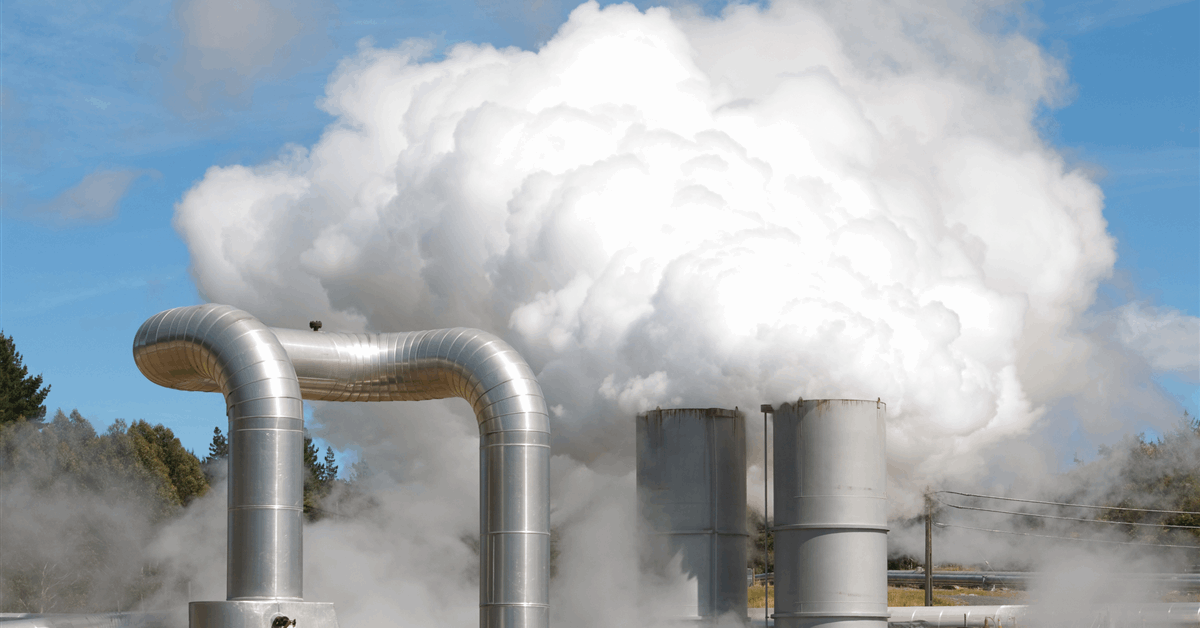
The energy investment landscape is undergoing a profound transformation, and nowhere is this more evident than in the burgeoning geothermal sector. We are witnessing an unprecedented capital influx into geothermal development, marked by record-setting land lease prices and a complete absorption of available public parcels. This surge reflects a confluence of technological breakthroughs, robust policy support, and an escalating demand for reliable, dispatchable power, particularly from the energy-hungry data center industry. For investors navigating volatile traditional hydrocarbon markets, geothermal presents a compelling case for diversification and long-term growth, signaling a strategic shift in how we power the future.
Geothermal’s Gold Rush: Record Lease Prices and Strategic Policy Support
The US federal government has recently auctioned every parcel of public land designated for geothermal development, a first in years, and at valuations that underscore significant investor confidence. Average prices for these public land leases have soared by an astounding 282% this year, reaching $127 per acre from an average of $33 per acre just a year prior. This aggressive bidding is a direct response to rising energy demand, particularly from advanced computing infrastructure, and specific policy directives. The Trump administration, for instance, has notably embraced geothermal, prioritizing energy security, reliability, and independence. Energy Secretary Chris Wright has explicitly directed his agency to focus on affordable and secure energy technologies, with geothermal prominently featured. Furthermore, tax legislation signed in July preserved crucial tax credits for geothermal projects, a stark contrast to scaled-back incentives for wind and solar. This targeted support, coupled with the industry’s inherent stability, is drawing substantial capital, with new leasing areas like Idaho, offered for the first time, fetching an even higher average of $180 per acre, and individual bids topping out at $412 per acre.
Technological Innovation and Unmet Demand Fueling Growth
Beyond policy tailwinds, the geothermal sector is experiencing a renaissance driven by significant technological advancements. Companies are now deploying sophisticated drilling techniques, traditionally honed in the oil and gas industry, including hydraulic fracturing, to more efficiently tap into the Earth’s heat. These innovations are making geothermal energy extraction cheaper, easier, and dramatically expanding the geographic areas viable for development. This evolution is critical in meeting the insatiable energy appetite of artificial intelligence and data centers, with industry giants like Alphabet Inc.’s Google and Meta Platforms Inc. actively forging deals with geothermal providers. Analysts at the Rhodium Group project that next-generation geothermal technology could meet up to 64% of expected data center-driven energy demand growth by the early 2030s. This underscores geothermal’s potential to become a cornerstone of future energy supply for high-demand, mission-critical applications, offering a reliable, baseload power source that traditional intermittent renewables cannot fully replicate.
Navigating Volatility: Geothermal as a Diversification Play
In a market characterized by significant flux, the appeal of geothermal’s stability becomes even more pronounced. As of today, Brent Crude trades at $90.38, reflecting a substantial 9.07% decline, with WTI Crude similarly down 9.41% at $82.59. This daily downturn extends a broader trend, with Brent having shed nearly 20% since late March, moving from $112.78 to its current level. This pronounced volatility in the traditional oil markets naturally leads investors to question future price trajectories and seek more predictable returns. We observe this directly in reader sentiment, with frequent inquiries about the “price of oil per barrel by end of 2026” and detailed performance outlooks for companies like Repsol. Geothermal offers a powerful counter-narrative to these short-term price swings. Its development is insulated from geopolitical supply shocks and global demand fluctuations that plague crude markets. Instead, it offers a long-term, domestic energy solution with a decade-long lease horizon, driven by consistent demand from sectors like data centers and underpinned by stable policy support, presenting a compelling diversification strategy for energy portfolios seeking resilience and sustained growth.
Forward Outlook: Geothermal’s Strategic Positioning Amidst Key Market Events
Looking ahead, the immediate horizon for the broader energy market remains focused on traditional oil and gas dynamics, which could introduce further volatility. Investors will be keenly watching the OPEC+ JMMC Meeting this Sunday, April 19th, followed by the full OPEC+ Ministerial Meeting on Monday, April 20th, for any signals on production quotas that could sway crude prices. Mid-week, the API Weekly Crude Inventory on April 21st and the EIA Weekly Petroleum Status Report on April 22nd will provide crucial insights into US supply and demand fundamentals. These events will continue to dictate short-term sentiment and pricing for hydrocarbons. However, in this context of ongoing uncertainty and the ever-present question of “what are OPEC+ current production quotas?”, geothermal’s strategic positioning shines. Its growth trajectory is largely independent of these immediate market catalysts, instead driven by long-term technological advancement, increasing domestic energy security imperatives, and the escalating, predictable energy demands from advanced industries. This insulation from short-term market noise makes geothermal an increasingly attractive component of a forward-looking energy investment strategy, aligning with the long-term goals of reliability and energy independence.


