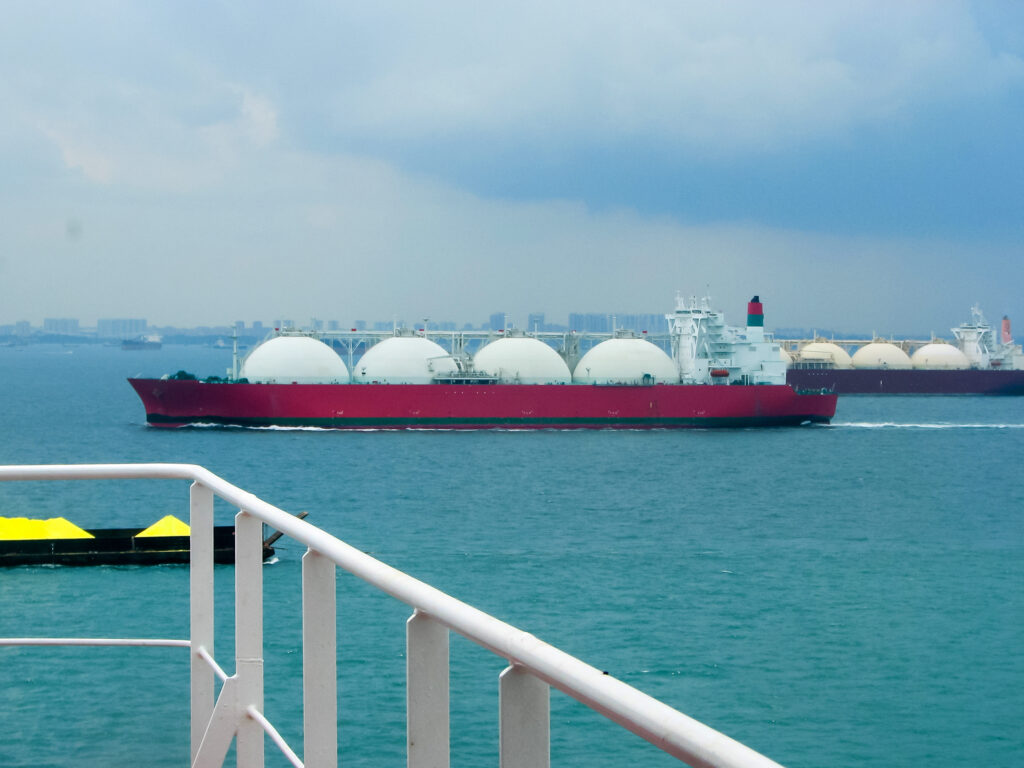
The global energy landscape is bracing for a significant shift as a wave of new liquefied natural gas (LNG) export capacity prepares to come online through the end of the decade. This impending surge in supply, driven by multi-billion dollar investments from major players like ADNOC Gas, which plans to more than double its export capacity with its new Ruwais plant, is widely anticipated to depress LNG prices. While lower prices could unlock new demand in price-sensitive emerging markets, leading to sticky, long-term consumption, investors must carefully weigh this optimistic outlook against the realities of competitive energy alternatives and the broader macroeconomic environment. The current volatility in crude markets, for instance, underscores the complex interplay of supply, demand, and geopolitical factors that will shape the profitability of these substantial LNG ventures.
LNG Supply Glut Meets Shifting Energy Economics
The thesis of a looming LNG supply glut is well-established, with numerous projects globally progressing towards commissioning. Companies are making massive capital outlays, betting on sustained global demand growth, particularly in Asia, Africa, and the Middle East, a view echoed by organizations like the International Energy Agency. The core argument is that lower prices, brought about by this increased supply, will make LNG more competitive, thereby stimulating new demand. ADNOC Gas CEO, Fatema Al Nuaimi, articulated this by suggesting that once price-sensitive markets invest in receiving terminals, they effectively “don’t go back,” creating an enduring demand base.
However, the broader energy market context cannot be ignored. As of today, Brent crude trades at $90.38 per barrel, marking a substantial 9.07% decline within the day, with prices ranging between $86.08 and $98.97. This sharp downturn is indicative of a wider bearish trend, with Brent having fallen nearly 20% over the past two weeks, from $112.78 on March 30th to its current level. WTI crude mirrors this sentiment, trading at $82.59, down 9.41% in today’s session. While not directly LNG, these crude price movements often influence investor sentiment across the entire energy complex. Sustained lower crude prices could dampen enthusiasm for all fossil fuel investments, including LNG, and impact the perceived economic viability of competing energy sources, forcing a re-evaluation of long-term gas demand forecasts.
Unpacking “Sticky Demand” in Price-Sensitive Markets
The concept of lower LNG prices creating “sticky” demand in emerging markets is a crucial element of the bull case for the upcoming supply wave. The argument posits that once countries invest in the necessary infrastructure, such as receiving terminals and distribution networks, they become committed to LNG as a long-term energy source. This perspective is particularly relevant for investors asking about long-term oil and gas price predictions for the end of 2026 and beyond, as stable LNG demand could provide a floor for overall natural gas prices.
Yet, the reality on the ground can be more nuanced. The example of Pakistan serves as a stark reminder. Once considered a rapidly expanding LNG buyer, Pakistan has begun shifting its energy strategy away from the super-chilled fuel. This pivot is largely attributed to years of uncompetitive LNG pricing and a concerted buildout of domestic solar capacity. This illustrates a critical risk: while infrastructure investment creates inertia, it does not guarantee demand if alternative energy sources become more economically attractive or strategically preferred. Investors must consider not just the initial price stimulus but also the evolving competitive landscape, including renewables, which are becoming increasingly cost-effective in many developing economies. The long-term viability of LNG demand hinges not just on its absolute price, but on its competitiveness relative to an ever-widening array of energy options.
Navigating Upcoming Market Catalysts and Geopolitical Undercurrents
For energy investors, the near-term calendar is packed with events that could significantly influence market direction, especially given the current price volatility across the crude complex. These events will shape the broader environment in which the LNG supply surge plays out. Investors are keenly asking about OPEC+’s current production quotas and how they might impact future oil prices.
The upcoming OPEC+ Joint Ministerial Monitoring Committee (JMMC) Meeting on April 19th, followed by the full OPEC+ Ministerial Meeting on April 20th, are pivotal. Any decisions on crude production policy will send strong signals about global supply discipline and could either stabilize or further destabilize the crude market, directly impacting investor confidence. A decision to maintain or even increase current production quotas could exacerbate the bearish sentiment currently gripping crude prices, which could indirectly pressure natural gas markets as well.
Further insights into market fundamentals will come from the API Weekly Crude Inventory reports on April 21st and 28th, and the EIA Weekly Petroleum Status Reports on April 22nd and 29th. These releases offer crucial snapshots of U.S. supply and demand dynamics, including crude, gasoline (currently trading at $2.93, down 5.18%), and distillates. Significant builds in inventory could reinforce bearish outlooks, while unexpected draws might offer some support. Finally, the Baker Hughes Rig Count on April 24th and May 1st will provide indicators of future production trends in North America, another key metric for gauging supply-side responses to market conditions. Collectively, these events will provide critical data points for investors attempting to forecast energy prices and assess the robustness of demand in the face of increasing LNG supply.
Investment Strategy Amidst Supply Expansion and Market Uncertainty
Given the impending LNG supply expansion and the current backdrop of volatile crude prices and evolving demand dynamics, investors must adopt a discerning approach. While the long-term growth trajectory for natural gas, particularly in Asia, remains compelling, the path forward is not without its hurdles. Companies that have invested heavily in new liquefaction capacity, such as ADNOC Gas with its Ruwais expansion, are banking on the thesis that lower prices will unlock new, enduring demand. However, the cautionary tale of Pakistan underscores that price sensitivity in emerging markets can be a double-edged sword, potentially leading to shifts towards even cheaper or more strategically aligned alternatives like renewables.
For investors, this means focusing on companies with diversified portfolios, strong balance sheets, and robust project economics that can withstand periods of lower commodity prices. Scrutiny of long-term demand contracts, hedging strategies, and the competitive positioning of specific LNG projects will be paramount. While the IEA foresees record demand for gas, particularly in price-sensitive Asian markets, the success of these new LNG projects will ultimately depend on their ability to consistently deliver competitively priced fuel without being outmaneuvered by rapidly advancing renewable technologies. The interplay of geopolitical events, OPEC+ decisions, and fundamental inventory data will continue to dictate the broader energy market sentiment, directly influencing the investment outlook for the burgeoning LNG sector.