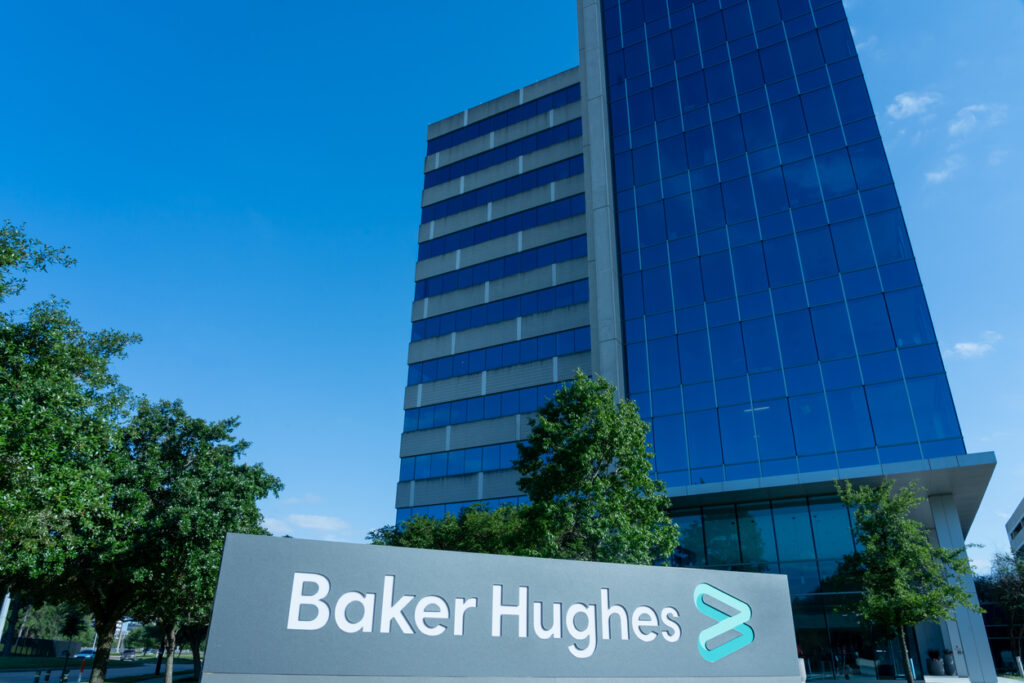
Baker Hughes (BKR) shareholders have overwhelmingly approved the company’s ambitious $13.6 billion all-cash acquisition of Chart Industries, marking a pivotal moment in the energy technology landscape. This significant transaction, targeted for closure in mid-2026, positions the Houston-based giant squarely at the forefront of the rapidly expanding markets for liquefied natural gas (LNG), hydrogen, and industrial gases. For investors, this move signals Baker Hughes’ deep commitment to diversifying its revenue streams and de-risking its portfolio from the inherent volatilities of traditional oilfield services, cementing its strategic pivot towards the evolving energy transition.
The Strategic Imperative: Diversifying Beyond Traditional Oilfield Services
This acquisition is far more than just a large-scale transaction; it represents a fundamental reorientation for Baker Hughes under CEO Lorenzo Simonelli. The company’s strategy has been clear: move beyond the traditional upstream oilfield services into growth segments that offer more stable and predictable demand. Chart Industries, with its dominant position in cryogenic and process equipment for LNG, hydrogen, carbon capture, and even data-center cooling systems, provides the perfect vehicle for this transformation. The combined entity is poised to create an “unmatched portfolio” that spans the entire molecule lifecycle, from initial gas production and liquefaction to transport and diverse industrial consumption. This holistic approach is designed to capture value at multiple points in the energy value chain, providing Baker Hughes with a robust platform for long-term growth in the burgeoning new energy economy.
Financial Mechanics and Value Creation: A Deep Dive into the Deal
The deal, valued at $210 per share in cash, represents a substantial investment for Baker Hughes. However, the projected annual cost synergies of $325 million within three years underscore the potential for significant value creation. These synergies are expected to materialize through streamlined R&D, optimized procurement, and consolidation of overlapping manufacturing sites. Financing for the acquisition will initially come from a bridge facility provided by Goldman Sachs and Morgan Stanley, with plans to refinance through long-term debt issuance. This financial structuring highlights Baker Hughes’ confidence in the long-term strategic benefits and cash flow generation potential of the combined business. Notably, the acquisition overrides Chart’s earlier $19 billion stock-based merger agreement with Flowserve, resulting in a $266 million termination fee, further emphasizing the competitive intensity in securing Chart’s specialized capabilities. Despite the integration, Chart Industries will continue to operate as a distinct brand within Baker Hughes’ Industrial & Energy Technology division, preserving its market identity and specialized expertise.
Navigating Volatility: BKR’s Play for Stability in a Fluctuating Market
The timing of this significant acquisition is particularly insightful when viewed against the backdrop of current market dynamics. As of today, Brent crude trades at $90.38 per barrel, reflecting a sharp 9.07% drop in a single day and a nearly 20% decline over the past two weeks from its high of $112.78. WTI crude has followed a similar trajectory, currently at $82.59, down 9.41% today. This pronounced volatility, alongside a 5.18% drop in gasoline prices to $2.93, underscores the inherent unpredictability of commodity markets. For investors, these swings necessitate a strategic approach that mitigates exposure to daily price fluctuations. With our readers actively asking about the price of oil per barrel by the end of 2026 and current OPEC+ production quotas, it’s clear the market is seeking clarity and stability amidst uncertainty.
Baker Hughes’ acquisition of Chart Industries directly addresses this need. By expanding into industrial gases, LNG infrastructure, and carbon capture solutions, BKR is tapping into segments with more stable demand drivers and longer-term contracts, offering a crucial hedge against crude oil price volatility. This strategic pivot provides a compelling answer to investor concerns about future oil prices, positioning Baker Hughes for growth in areas less susceptible to geopolitical shifts and short-term supply-demand imbalances that heavily influence crude markets.
Forward Momentum: Upcoming Catalysts and Sector Implications
The mid-2026 closing target allows for a period of careful integration planning, but the strategic benefits for Baker Hughes are already clear. Chart’s existing contracts in major LNG expansion regions like Qatar, Mozambique, and the U.S. Gulf Coast immediately provide Baker Hughes with critical leverage and market access. These are areas where demand for sophisticated liquefaction and storage equipment is surging, directly aligning with Baker Hughes’ growth ambitions. While traditional industry metrics like the Baker Hughes Rig Count, scheduled for April 24th and May 1st, will continue to offer insights into upstream activity, the Chart acquisition signals BKR’s aggressive push into the future of energy infrastructure, where LNG and carbon capture will play increasingly dominant roles.
The implications of this deal will reverberate throughout the energy supply chain. Analysts suggest that rivals such as Technip Energies, Worley, and Saipem will undoubtedly feel increased pressure to re-evaluate and enhance their exposure to high-spec cryogenic systems. This consolidation could intensify competition, accelerate innovation, and potentially reshape the competitive landscape for major energy infrastructure projects globally. For investors, this acquisition positions Baker Hughes not just as a participant, but as a potential leader in the critical technologies underpinning the global energy transition, offering a compelling long-term investment thesis.