A New Victory for UK Energy Security: Shell’s Latest North Sea Production
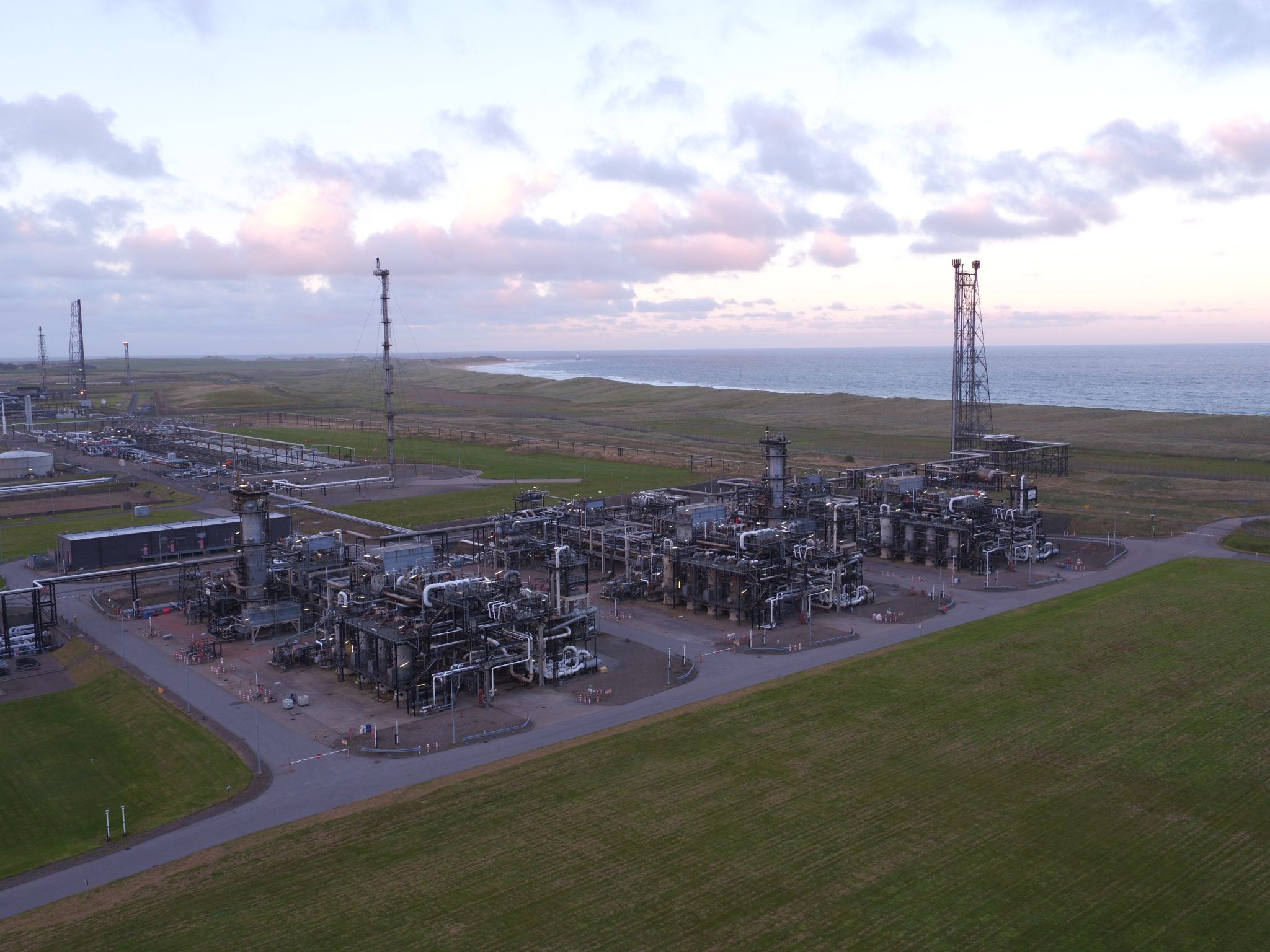
The UK North Sea has once again proven its enduring strategic value with the successful commencement of gas production from Shell’s Victory field. This milestone represents the first new gas flow from the West of Shetland since 2017 and the first new entry into the crucial St Fergus Gas Terminal since 2021’s Martin Linge field. For investors tracking the intricate balance of supply, demand, and geopolitical risk in the energy markets, Victory field’s start-up is far more than a technical achievement; it underscores a critical push for domestic energy security and stability in a highly volatile global landscape. This development is particularly pertinent as nations grapple with reliable and affordable energy sources, making local production a significant asset.
Strategic Imperative: Fueling UK Energy Security Amidst Global Volatility
The commissioning of the Victory field directly addresses a core concern for investors and national economies alike: energy security. Our proprietary reader intent data shows a consistent investor focus on the stability of supply and the factors influencing global production quotas, particularly questions like “What are OPEC+ current production quotas?” This highlights the market’s sensitivity to supply disruptions and the desire for predictable energy flows. By adding new domestic gas, the UK takes a tangible step towards reducing its reliance on imported liquefied natural gas (LNG), a commodity often subject to significant price swings and geopolitical leverage. This home-grown production acts as a national asset, underpinning economic growth and safeguarding jobs within the UK. For investors, this translates into reduced exposure to international supply chain vulnerabilities and potentially more stable energy pricing within the domestic market, offering a degree of insulation from broader market shocks.
Navigating the Price Swings: Victory’s Contribution in a Dynamic Market
The timing of Victory field’s first gas is particularly salient given the current market dynamics. As of today, Brent crude trades at $92.48 per barrel, reflecting a decline of 1.16% within the day’s range, which saw highs near $98.9. Similarly, WTI crude is at $89.71, down 1.6%. This follows a more significant downward trend over the past two weeks, with Brent having shed approximately $14, or 12.4%, from $112.57 on March 27th to $98.57 just yesterday. While natural gas prices operate on different fundamentals than crude, this overall downward pressure on oil markets, alongside a gasoline price of $3.08 per gallon, underscores the broader market sensitivity to supply news and economic sentiment. Against this backdrop of fluctuating global energy prices, the consistent, reliable supply from the Victory field provides a crucial buffer for the UK economy. It helps stabilize domestic energy costs and provides a predictable input for industrial and residential consumption, mitigating the direct impact of international energy market volatility on UK consumers and businesses.
The Unsung Heroes: Midstream Infrastructure and Long-Term Value Creation
While the focus often falls on the upstream exploration and production, the successful delivery of Victory gas hinges entirely on robust midstream infrastructure. North Sea Midstream Partners (NSMP) plays a pivotal role here, transporting gas through its 234km Shetland Islands Regional Gas Export (SIRGE) pipeline, which then connects into the Frigg UK Association (FUKA) pipeline. The FUKA pipeline itself is a critical subsea asset, boasting an impressive capacity to carry 36 million cubic metres of gas per day. From there, the gas is processed at the St Fergus Gas Terminal in north-east Scotland. For investors, this highlights the often-underestimated value of midstream assets. These pipelines and terminals represent long-life, high-capacity infrastructure that provides consistent revenue streams through transportation and processing fees, irrespective of short-term commodity price fluctuations. Their reliability and strategic importance, as emphasized by NSMP’s CEO, Angela Fletcher, in supporting Shell’s delivery, make them attractive components of a diversified energy investment portfolio, offering stability and essential service delivery.
Looking Ahead: Victory’s Place in the Global Supply Mosaic
The introduction of new UK gas supply occurs at a critical juncture for global energy markets, with several key events on the immediate horizon that could influence future pricing and production strategies. This week, we anticipate both the OPEC+ Joint Ministerial Monitoring Committee (JMMC) meeting on Friday, April 17th, followed by the full OPEC+ Ministerial Meeting on Saturday, April 18th. These gatherings are closely watched by investors for any signals regarding future production quotas, which could significantly impact crude supply and, by extension, broader energy sentiment. Furthermore, the market will be analyzing the API Weekly Crude Inventory report on April 21st and the EIA Weekly Petroleum Status Report on April 22nd, which offer crucial insights into US inventory levels and demand trends. While Victory’s output is specific to the UK, its consistent supply contributes to the overall non-OPEC+ global supply picture. For investors, understanding this interplay is key: while OPEC+ decisions may introduce volatility, stable, incremental production from mature basins like the North Sea, alongside the regular data from inventory reports and the Baker Hughes Rig Count (scheduled for April 24th and May 1st), provides a counter-narrative of measured, predictable supply growth that can help anchor market expectations. The long-term impact of such domestic developments is to strengthen national energy resilience, providing a valuable layer of security against the unpredictable shifts of international energy politics and market forces.