The global energy landscape is undergoing a profound transformation, driven not only by geopolitical shifts and economic cycles but increasingly by the tangible impacts of fossil fuel consumption on human health. New data highlights that the burning of fossil fuels directly threatens the health of at least 1.6 billion people worldwide through the emission of toxic particulate matter (PM2.5). This revelation is not merely an environmental concern; it represents an escalating material risk for investors in the oil and gas sector, signaling potential regulatory headwinds, increased operational costs, and shifting public sentiment that could profoundly impact asset valuations and long-term investment strategies.
The Expanding Shadow of Health-Related Risk on Fossil Fuel Investments
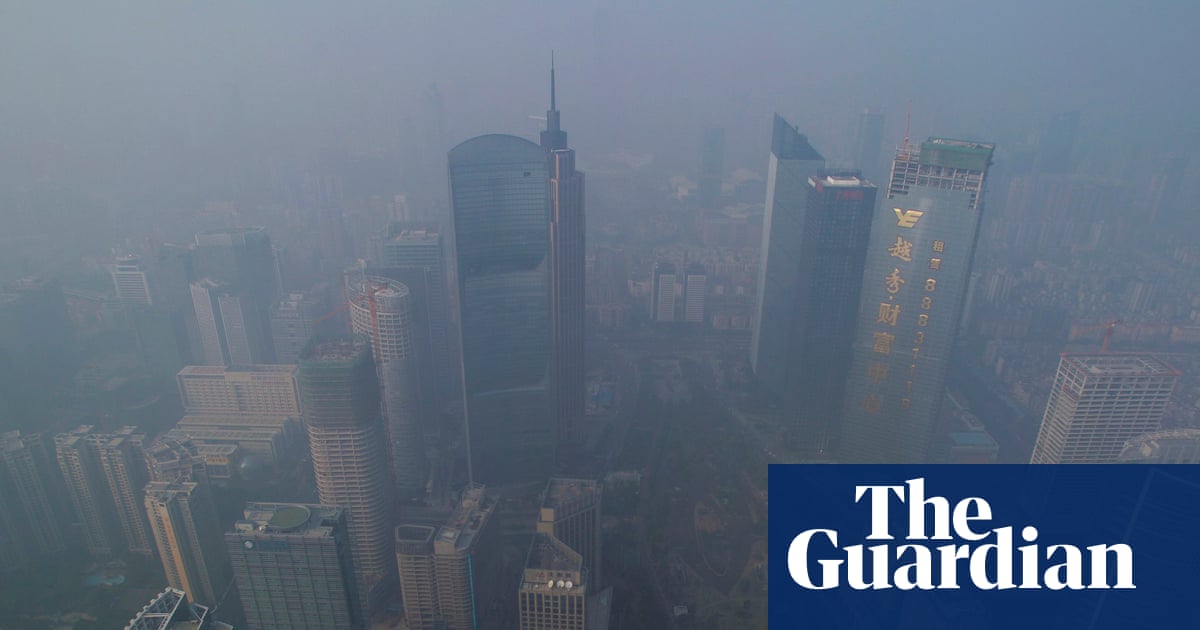
Recent analysis underscores the direct link between fossil fuel combustion and widespread public health crises. While carbon dioxide primarily drives climate change, the burning of coal and oil for power generation and industrial processes releases PM2.5 and other harmful toxins directly into the air. This particulate matter, when inhaled, leads to severe health impacts. Specifically, approximately 1.6 billion individuals reside near areas where these pollutants are concentrated, with a staggering 900 million of those living in proximity to “super-emitting” industrial facilities. These include power plants, refineries, ports, and mines, which disproportionately contribute to toxic air quality. Notable urban centers identified as particularly affected include Karachi, Guangzhou, Seoul, and even New York, underscoring the global reach of this issue. For investors, this data translates into heightened exposure to regulatory scrutiny, potential litigation, and increased social license challenges, particularly for companies operating facilities in densely populated or politically sensitive areas.
Market Volatility Reflects Underlying Sectoral Pressures
The investment community is already grappling with significant volatility, and the escalating health narrative only adds another layer of complexity. As of today, Brent Crude trades at $90.38 per barrel, experiencing a notable 9.07% decline, with WTI Crude similarly affected at $82.59, down 9.41%. This recent downturn marks a continuation of a broader trend, with Brent having fallen from $112.78 on March 30th to $91.87 just yesterday, representing an 18.5% drop over the past two weeks. While this volatility can be attributed to a myriad of factors, including global economic outlooks and supply-demand dynamics, the growing emphasis on ESG factors, now amplified by direct human health threats, contributes to increased investor caution. The perception of fossil fuels as a public health hazard can accelerate divestment pressures, raise the cost of capital for new projects, and potentially lead to asset write-downs as regulatory frameworks tighten globally in response to these documented health impacts.
Anticipating Future Policy and Market Shifts
Forward-looking analysis suggests that the health implications of fossil fuels will increasingly shape policy and market dynamics. The ongoing discussions at international forums, such as the UN General Assembly where these issues are frequently highlighted, indicate a persistent global push for cleaner energy. Investors must closely monitor upcoming events that could influence the regulatory and supply landscape. The OPEC+ Joint Ministerial Monitoring Committee (JMMC) meeting on April 18th and the full Ministerial meeting on April 19th will be crucial for understanding immediate supply strategies. However, the long-term viability of increased fossil fuel production faces an undeniable headwind from the mounting health crisis narrative. Further insights into market fundamentals will come from the API Weekly Crude Inventory reports on April 21st and 28th, followed by the EIA Weekly Petroleum Status Reports on April 22nd and 29th, which provide crucial supply and demand indicators. Additionally, the Baker Hughes Rig Count on April 24th and May 1st will offer insights into drilling activity and future production capacity. Political rhetoric, such as the nuanced stance taken by some administrations on tackling “pollution” versus “climate change,” suggests that while direct climate action may face hurdles, the tangible health impacts of local air quality could become a more potent and universally accepted driver for emissions reductions.
Addressing Investor Concerns: Price Trajectories and Company Resilience
Our proprietary reader intent data reveals a strong investor focus on future oil price trajectories and specific company performance. Many are asking about the predicted price of oil per barrel by the end of 2026 and current OPEC+ production quotas. While precise long-term price predictions are inherently challenging, the escalating health-related risks from fossil fuels introduce a powerful new variable into valuation models. This data suggests an increased likelihood of accelerated energy transition policies, potentially leading to earlier peak oil demand scenarios than previously anticipated. Companies with significant exposure to coal and oil burning facilities in affected regions, or those with slower decarbonization pathways, may see their risk premiums increase. Investors are also inquiring about the performance outlook for specific companies, such as Repsol, highlighting the market’s need to understand how individual entities are positioned to navigate these evolving environmental and public health challenges. Proactive strategies, including investments in carbon capture, renewable energy integration, and stringent emissions controls, will be critical for maintaining social license and investor confidence in an industry facing unprecedented scrutiny over its broader societal impact.


