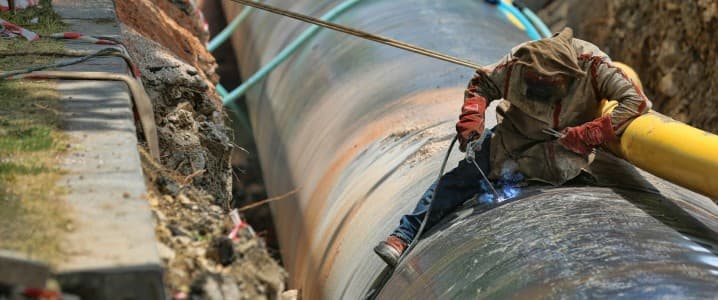
Iraq, a pivotal player in the global oil market and OPEC’s second-largest producer, is embarking on a significant strategic initiative to bolster its oil export security and diversify its energy infrastructure. This move, centered around a planned oil pipeline to Oman, signals a proactive approach to long-term supply reliability and geopolitical risk mitigation. For investors, this development underscores the ongoing drive for robust energy supply chains in a volatile global landscape, offering a glimpse into future production capacities and export strategies from a key crude supplier.
Iraq’s Strategic Pivot: Enhancing Export Security and Capacity
At the core of Iraq’s latest energy strategy is the development of a new export route through Oman, a move designed to reduce reliance on the single-point vulnerability of its southern Basra port. This diversification is not merely about alternative pathways; it’s a foundational step towards securing Iraq’s ambitious production targets. The nation aims to elevate its oil production capacity significantly, from approximately 4.5 million barrels per day (bpd) currently to over 6 million bpd by 2029. Such an increase necessitates robust, secure, and multiple export channels capable of handling expanded volumes. The preliminary agreement with Oman, including an initial phase for 10 million barrels of storage at the port of Duqm, directly addresses these long-term requirements. This strategic pivot is particularly critical given the ongoing shutdown of northern Iraqi exports via the pipeline to Turkey’s Ceyhan, highlighting the urgent need for resilient export infrastructure.
Navigating Current Market Dynamics Amidst Long-Term Vision
While the Oman pipeline project represents a multi-year endeavor, its announcement comes at a time when global oil markets are acutely sensitive to supply stability and geopolitical tensions. As of today, Brent crude trades at $98.27, reflecting a modest -1.13% daily decline, with a day range between $97.92 and $98.67. Similarly, WTI crude is at $89.88, down -1.41%. This immediate market snapshot follows a notable trend over the past two weeks, where Brent has seen a significant correction, falling from $112.57 on March 27th to $98.57 on April 16th, a substantial decrease of over 12%. Against this backdrop of recent price volatility, Iraq’s commitment to enhancing export security through a new route to the Gulf of Oman provides a long-term supply narrative that could help stabilize future market expectations, particularly regarding the reliability of Middle Eastern crude flows. Investors closely monitor such strategic infrastructure developments as they offer fundamental insights into future supply capabilities.
Project Phasing and Addressing Investor Inquiries
The Iraq-Oman pipeline project is envisioned in phases, with the immediate focus on establishing 10 million barrels of crude storage capacity at Duqm. Initially, crude will be shipped via tankers to these storage sites until the actual pipeline is constructed and operational. A key decision point remains the pipeline’s route: whether it will be an offshore line in the Gulf or an onshore path requiring transit agreements with neighboring countries. This phased approach, starting with storage, mitigates immediate infrastructure hurdles while laying the groundwork for a more permanent solution. Investors are keen on understanding the future of global supply and the stability of production quotas, often querying “What are OPEC+ current production quotas?” and seeking clarity on market fundamentals. Iraq’s move, including discussions with Exxon for potential crude storage sites closer to major demand centers in Asia, the U.S., and Europe, directly addresses this underlying investor concern for diversified supply and strategic reserves. It signals a proactive approach to market access and supply assurance, vital for a major producer planning to significantly boost output.
Upcoming Market Catalysts and Geopolitical Underpinnings
The announcement of Iraq’s pipeline ambitions coincides with a busy calendar of critical energy events that will shape near-term market sentiment. With the OPEC+ JMMC meeting scheduled for tomorrow, April 18th, followed by the Full Ministerial Meeting on April 20th, market participants are intensely focused on current production policy and supply directives. While Iraq’s Oman pipeline is a multi-year endeavor, its strategic implications feed into the broader geopolitical and supply calculus that informs these high-level discussions. Moreover, upcoming data releases like the API Weekly Crude Inventory on April 21st and the EIA Weekly Petroleum Status Report on April 22nd will provide immediate insights into global supply-demand balances. Against this backdrop, Iraq’s reaffirmation of economic and energy cooperation with Oman, solidified during a recent high-level visit, underscores the political will driving this project. This long-term strategic move to diversify export capabilities and enhance energy security will contribute to the ongoing narrative of global oil supply resilience, a crucial factor for investors analyzing the energy sector’s future trajectory.


