A recent declaration from a senior US Interior Department official has sent a clear signal through the energy markets: the nascent offshore wind industry in the United States faces significant headwinds, effectively strengthening the investment thesis for traditional US oil and gas. This isn’t merely a pause but a strategic pivot, as the administration cites economic and reliability concerns, directly impacting projects already underway and reshaping the landscape for energy investment in the coming years. For investors in the oil and gas sector, this signals a potential reduction in future competitive pressures and a reaffirmation of the role of conventional energy in America’s power generation mix.
US Energy Policy Shifts: A Tailwind for Hydrocarbons
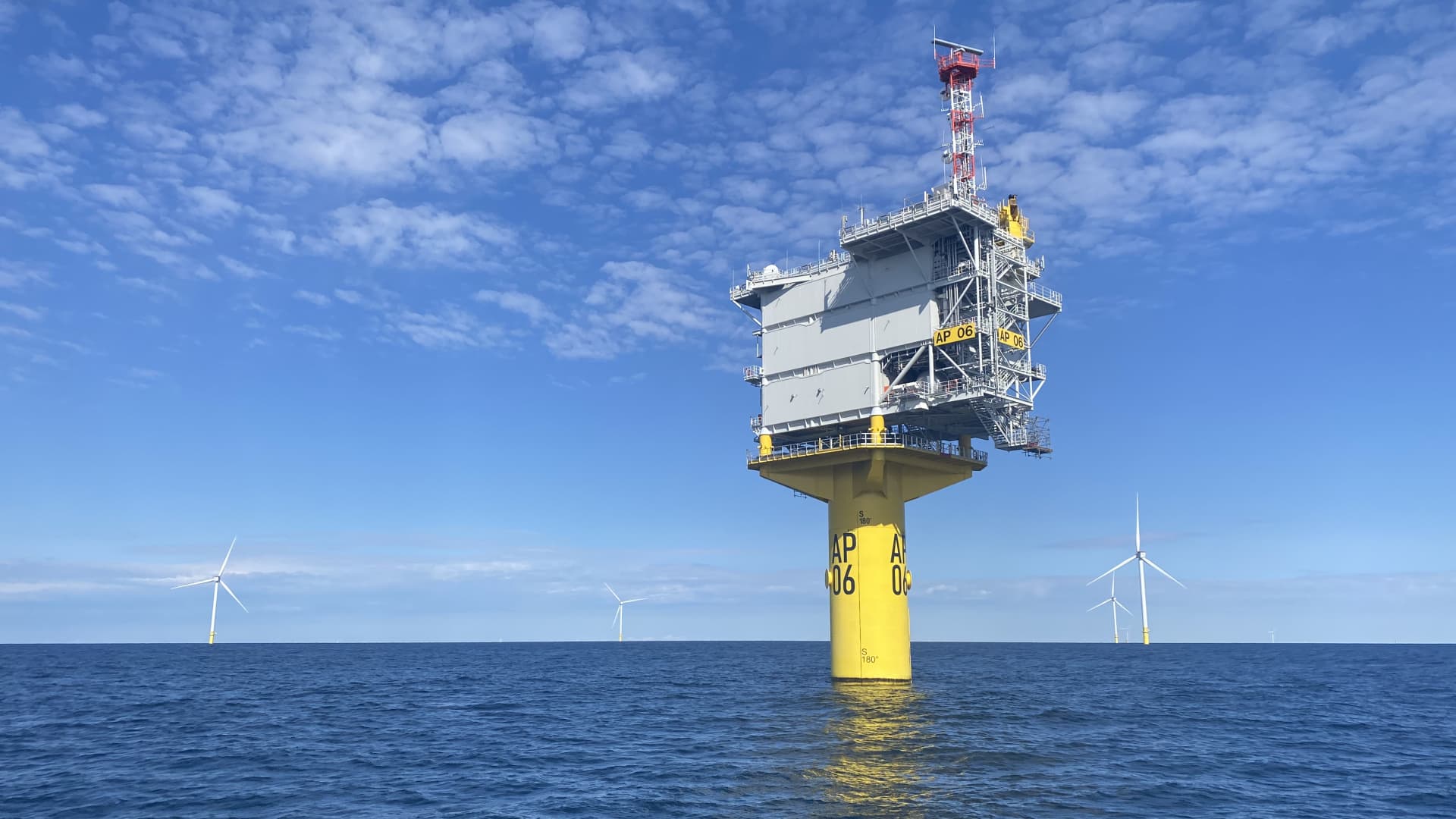
The core of this significant policy shift comes from the US Interior Department, whose head, Secretary Doug Burgum, unequivocally stated that offshore wind lacks a viable future under the current administration. Speaking at a recent energy conference, Burgum emphasized that the technology is “too expensive and not reliable enough” to be a cornerstone of US electricity generation. This stance is the clearest indication yet of a deliberate move to curtail the industry, building on an initial executive order that halted new offshore wind leases. More critically for investors, the administration is now undertaking a comprehensive review of existing projects, including five offshore wind farms already under construction off the US coast. These include major developments such as Revolution Wind off Rhode Island, Vineyard Wind 1 off Massachusetts, and projects off the New York and Virginia coasts. The Interior Department has already issued stop-work orders for some projects, including a fully permitted and substantially completed Revolution Wind, citing unspecified national security concerns. While one project, Empire Wind, was allowed to resume construction after an apparent agreement on new natural gas capacity, the overarching message is one of heightened scrutiny and economic re-evaluation, effectively removing a significant potential competitor to traditional energy sources.
Current Market Dynamics Amidst Policy Uncertainty
Against this backdrop of evolving domestic energy policy, global crude markets show a nuanced picture. As of today, Brent Crude trades at $98.51, reflecting a modest 0.89% dip from its recent highs, while WTI Crude sits at $90.06, down 1.22%. This comes after a notable 14-day trend where Brent shed over 12%, declining from $112.57 to $98.57, underscoring market sensitivity to both supply-demand fundamentals and geopolitical shifts. The stability of gasoline prices at $3.09, despite these crude fluctuations, suggests a degree of demand resilience, but also an underlying anticipation of future supply dynamics. For oil and gas investors, the domestic policy pivot away from offshore wind development offers a degree of stability and predictability for US energy demand. By reducing the pace of renewable energy integration, the administration implicitly supports continued reliance on fossil fuels, potentially cushioning domestic crude and natural gas prices from some of the volatility seen in the broader global market. This policy decision could be interpreted as a long-term demand signal for conventional energy, providing a more favorable environment for investment in US exploration, production, and refining capacity.
Investor Focus: Supply Quotas and Price Drivers
Our proprietary reader intent data reveals a heightened focus among investors on global supply intricacies, with numerous queries centered around ‘OPEC+ current production quotas’ and detailed requests for ‘the current Brent crude price and its underlying model.’ This reflects a market deeply concerned with the delicate balance of supply management and price discovery. The US administration’s decision to de-emphasize offshore wind, while domestic in scope, carries international implications. By reinforcing its reliance on and support for conventional energy, the US indirectly signals less urgency for a rapid energy transition away from fossil fuels. This could subtly influence OPEC+’s calculus when setting production targets, potentially reinforcing current output strategies rather than prompting significant increases. If the US domestic market maintains robust demand for traditional hydrocarbons without a rapid influx of renewable alternatives, it reduces the pressure on global suppliers to fill perceived energy gaps, thereby impacting the global supply-demand equilibrium that underpins crude pricing models.
Forward Outlook: Calendar Events and Strategic Implications
Looking ahead, the energy calendar is packed with critical events that will further shape market sentiment, all of which will be viewed through the lens of this strengthened US oil and gas outlook. The Baker Hughes Rig Count, scheduled for April 17th and again on April 24th, will offer crucial insights into domestic drilling activity and investment trends. Given the administration’s stated support for conventional energy, any uptick in these numbers could signal increased confidence in long-term US production. More globally impactful are the upcoming OPEC+ Joint Ministerial Monitoring Committee (JMMC) meeting on April 18th and the full Ministerial meeting on April 20th. Decisions made at these gatherings regarding production quotas will be pivotal. A US policy stance that effectively supports domestic oil and gas consumption by limiting alternatives could subtly influence OPEC+’s strategy, perhaps reinforcing their current production strategies rather than prompting significant increases. Furthermore, the weekly API and EIA Crude Inventory reports, expected on April 21st/22nd and April 28th/29th respectively, will provide real-time data on US storage levels, offering critical context for how this policy shift translates into tangible inventory movements and demand signals. For investors, this clear policy direction from the US Interior Department signals reduced uncertainty for conventional energy projects, potentially translating into more stable long-term planning and capital allocation within the US oil and gas sector.