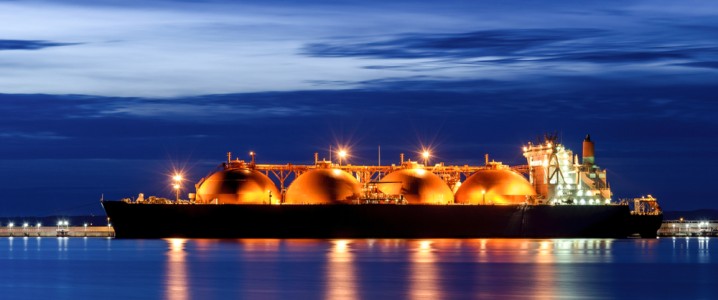
The potential 20-year commitment from Japanese utility JERA to purchase 1 million tons per annum (MTA) of liquefied natural gas from the Alaska LNG project marks a significant milestone for the long-gestating $44 billion endeavor. This preliminary letter of intent underscores a growing appetite for stable, long-term LNG supply in a volatile global energy landscape and provides crucial momentum for Glenfarne, the project developer, as it navigates the complex path to a final investment decision. For investors, this development signals a strengthening commercial foundation for a project that has historically faced considerable hurdles, positioning Alaska LNG as a vital future player in global energy markets.
JERA’s Commitment: A Strategic Anchor for Alaska LNG
JERA’s prospective 20-year, 1 MTA off-take agreement is more than just a volume commitment; it’s a strategic vote of confidence in the Alaska LNG project. For a capital-intensive initiative like Alaska LNG, securing anchor buyers is paramount to de-risking financing and moving towards a final investment decision. Japanese companies have long shown a keen interest in this project, driven by both geographical proximity and a broader governmental commitment from Tokyo to purchase $7 billion in U.S. energy annually as part of a trade accord. Glenfarne has actively courted international interest, previously noting that up to 50 companies have expressed formal interest, with potential commitments reaching an impressive $115 billion. The JERA agreement, if finalized, would provide a tangible cornerstone for these broader aspirations, validating the project’s commercial appeal despite its substantial $44 billion price tag.
Navigating Project Economics Amidst Market Flux
The sheer scale and remote location of Alaska LNG have historically raised concerns about its economic viability. While the project aims to unlock vast stranded gas reserves from Alaska’s North Slope via an 800-mile pipeline to a southern coast liquefaction plant, the $44 billion cost necessitates robust, long-term pricing assumptions. As of today, the broader crude market reflects a degree of volatility that demands careful consideration for long-term energy investments. Brent crude trades at $98.38, reflecting a 1.02% dip, while WTI crude stands at $89.99, down 1.29%. Looking back, Brent has seen a significant shift, declining from $112.57 on March 27th to $98.57 on April 16th—a $14, or 12.4%, reduction over just 14 days. This fluctuating commodity environment underscores why Japanese investors reportedly commissioned Wood Mackenzie to study the long-term viability of Alaska LNG, seeking reassurance on project economics against a backdrop of potential price uncertainty. Securing fixed-price, long-term contracts like the one contemplated with JERA becomes even more critical in such a dynamic market to shield the project from short-term price swings and ensure predictable revenue streams over its multi-decade operational life.
Investor Focus: Stability, Supply, and the Road Ahead
Our proprietary reader intent data reveals a keen interest in fundamental market drivers, with many investors frequently asking about current OPEC+ production quotas and the models powering Brent crude pricing. This focus highlights a desire for market stability and transparency, which long-term LNG projects like Alaska LNG are uniquely positioned to address by offering diversified and reliable supply. For investors tracking this project, the next steps are critical. Glenfarne plans to make a final investment decision on the project’s pipeline by the end of this year, followed by an FID for the export terminal in 2026. These timelines align with broader market events that will shape the investment climate. The upcoming OPEC+ Joint Ministerial Monitoring Committee (JMMC) meeting on April 18th and the full Ministerial meeting on April 20th will provide crucial insights into short-to-medium-term crude supply policies, directly influencing global energy price sentiment. Furthermore, weekly API and EIA inventory reports throughout the month will offer granular data on U.S. supply-demand balances, all contributing to the broader market context in which Alaska LNG seeks long-term commitments. These forward-looking events will undoubtedly factor into strategic investment decisions for both Glenfarne and potential equity partners.
Geopolitical Tailwinds and Commercial Hurdles Remain
The Alaska LNG project benefits significantly from strong political backing, particularly from the Trump administration, which has actively championed its development. This high-level support is a crucial factor, enhancing its perceived commercial viability and helping to overcome the inherent challenges of a project that has seen decades of planning but remained on ice due to its immense cost and remote location. The broader U.S.-Japan energy trade framework further cements the strategic rationale, reinforcing Japanese companies’ interest. While Glenfarne has reported substantial expressions of interest totaling $115 billion from some 50 companies, the project’s $44 billion price tag continues to be a point of scrutiny. The Wood Mackenzie study, commissioned by Japan, reflects this ongoing concern about the ultimate cost and its impact on long-term competitiveness. Despite these hurdles, the project’s ability to unlock Alaska’s vast, stranded North Slope gas reserves into global markets positions it as a significant future energy supplier, offering supply diversification and potentially competitive pricing in the long run once initial capital expenditures are absorbed.


