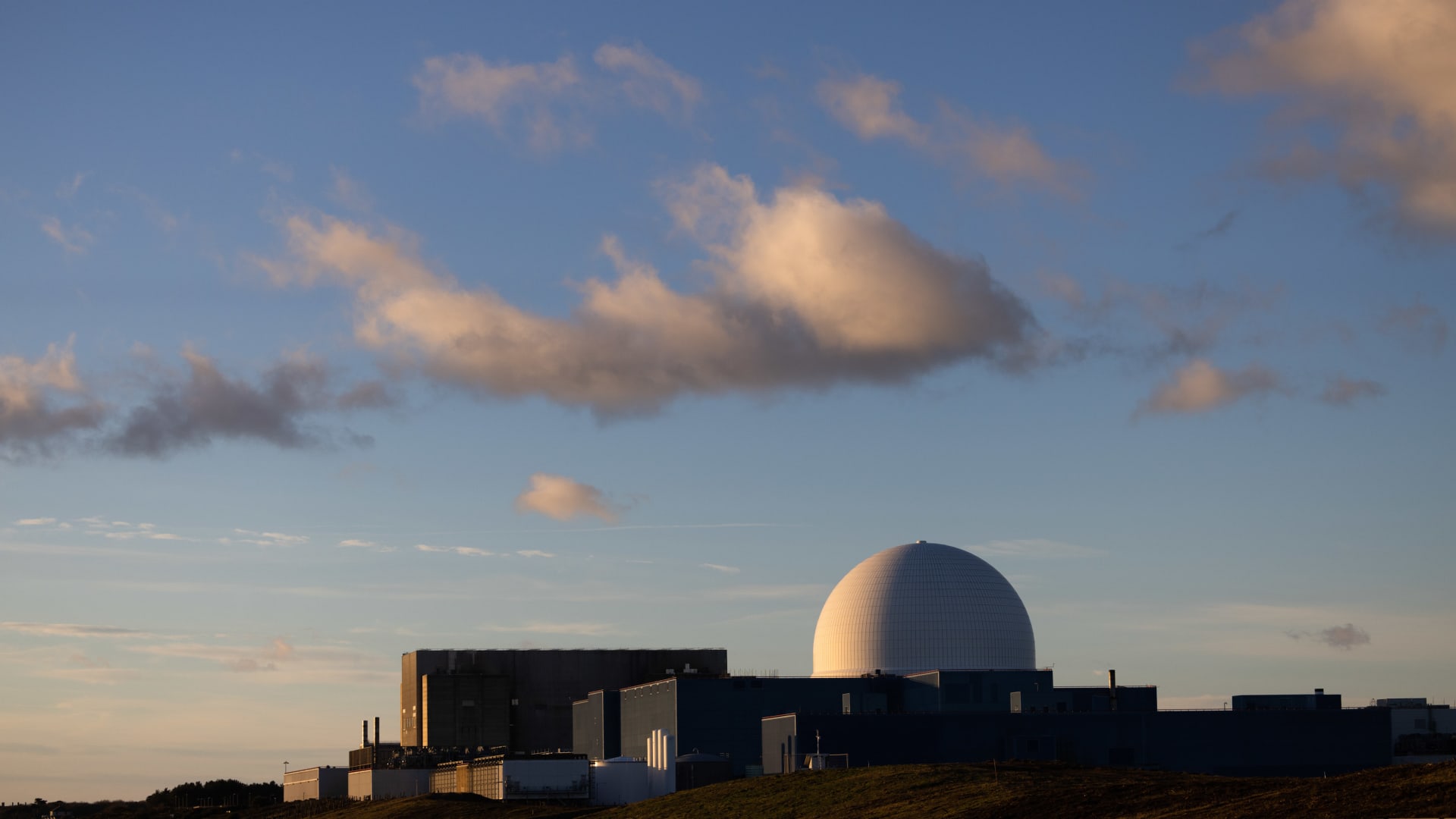
The energy landscape is undergoing a profound transformation, driven by an insatiable global appetite for power. At the forefront of this shift is a renewed, urgent interest in nuclear energy, heralded as a critical solution to meet escalating demand from sectors like artificial intelligence and electrified industries. While the promise of stable, carbon-free baseload power is compelling, investors face a complex web of capital requirements, regulatory uncertainties, and long project timelines. As senior analysts, we see this as a pivotal moment for re-evaluating long-term energy portfolios, even as the traditional oil and gas markets continue their daily dance.
AI’s Insatiable Hunger Ignites Nuclear Revival
The surge in demand for reliable power is not just a theoretical projection; it’s a present reality, largely fueled by the exponential growth of energy-intensive data centers and the relentless ambition of artificial intelligence. Tech giants are not merely observing; they are actively channeling significant capital into nuclear energy investments, recognizing that their AI infrastructure requires a stable, high-capacity energy source that intermittent renewables alone cannot provide. As the World Nuclear Association’s Director General, Sama Bilbao y León, recently highlighted, AI and data centers are the “canary in the coal mine,” signaling a broader, economy-wide surge in electricity demand. Beyond the digital realm, the metallurgical, chemical, maritime, and shipping sectors are all aggressively pursuing electrification, further solidifying the need for reliable, round-the-clock power. This fundamental shift in demand drivers provides a robust long-term thesis for nuclear, a stark contrast to the often cyclical nature of fossil fuel demand.
Navigating the $2.2 Trillion Investment Horizon and Fiscal Realities
The scale of investment required to meet this burgeoning nuclear ambition is staggering. Morgan Stanley projects that investments across the nuclear value chain will escalate to $2.2 trillion by 2025, a substantial increase from the 2024 forecast of $1.5 trillion. This monumental capital requirement immediately brings to the fore questions about fiscal capacity and the critical roles of governments, multilateral banks, and private financial institutions. While nuclear energy offers a more reliable, 24/7 power source compared to the inherent intermittency of many renewables, the path to commercialization for next-generation solutions like Small Modular Reactors (SMRs) remains lengthy, with most projects not expected online until after 2030. SMRs promise a reduced payback period, potentially halving the typical 20-30 years for larger plants, yet their unproven commercial track record still presents an adoption hurdle. Encouragingly, there’s a discernible shift in the financial sector; as Mahesh Goenka of Old Economy noted, banks are now “open to financing nuclear,” a significant change from just a few years ago. This evolving financial landscape is crucial for unlocking the necessary capital, but investors must meticulously evaluate project timelines and regulatory frameworks, understanding that these are multi-decade commitments.
Market Volatility Underscores Nuclear’s Stability Appeal
Against the backdrop of a long-term strategic shift towards nuclear, the traditional oil and gas markets continue to present their characteristic volatility, demanding constant attention from investors. As of today, Brent Crude trades at $98 per barrel, marking a 1.4% decline, with its intraday range spanning $97.92 to $98.58. Similarly, WTI Crude stands at $89.74, down 1.57%. This daily fluctuation is part of a broader trend; Brent has experienced a significant downturn, falling from $112.57 just three weeks ago on March 27th to its current level. This $-14, or -12.4%, shift within such a short period highlights the inherent unpredictability of fossil fuel markets, influenced by geopolitical events, supply dynamics, and global economic sentiment. For investors grappling with this short-term uncertainty, the stable, baseload characteristics of nuclear power offer a compelling counter-narrative of long-term energy security and predictable output. While our readers are actively tracking the implications of the upcoming OPEC+ JMMC meeting on April 18th and the Full Ministerial on April 20th, alongside weekly inventory reports from API and EIA, these events primarily shape short-to-medium-term oil price movements. Nuclear, conversely, represents a fundamentally different investment thesis, less susceptible to these immediate calendar catalysts but requiring a deeper understanding of its long-term societal and economic value.
Investor Focus: Strategic Diversification and Data-Driven Decisions
Our proprietary reader intent data reveals a strong focus from investors not just on current market prices and OPEC+ quotas, but also on the underlying data sources and models that power our market insights. Questions like “What data sources does EnerGPT use?” and “What model powers this response?” underscore a sophisticated investor base seeking robust, transparent, and reliable information to inform their strategies. This desire for comprehensive data extends naturally to the nuclear sector, where long investment horizons and complex regulatory environments necessitate meticulous due diligence. For oil and gas investors, this means considering nuclear not just as a competitor, but as a potential diversification play within a broader energy portfolio. The strategic implications are vast: how will increased nuclear capacity impact long-term natural gas demand for power generation? What opportunities exist in the nuclear fuel cycle, from uranium mining to enrichment? As the global energy mix evolves, integrating nuclear considerations into an existing oil and gas investment framework becomes critical. This requires a nuanced understanding of both traditional commodity markets and the emerging capital-intensive, technologically driven segments of the energy sector, all supported by the most accurate and forward-looking data available.