The Shifting Sands of Monetary Policy and Their Ripple Effect on Energy
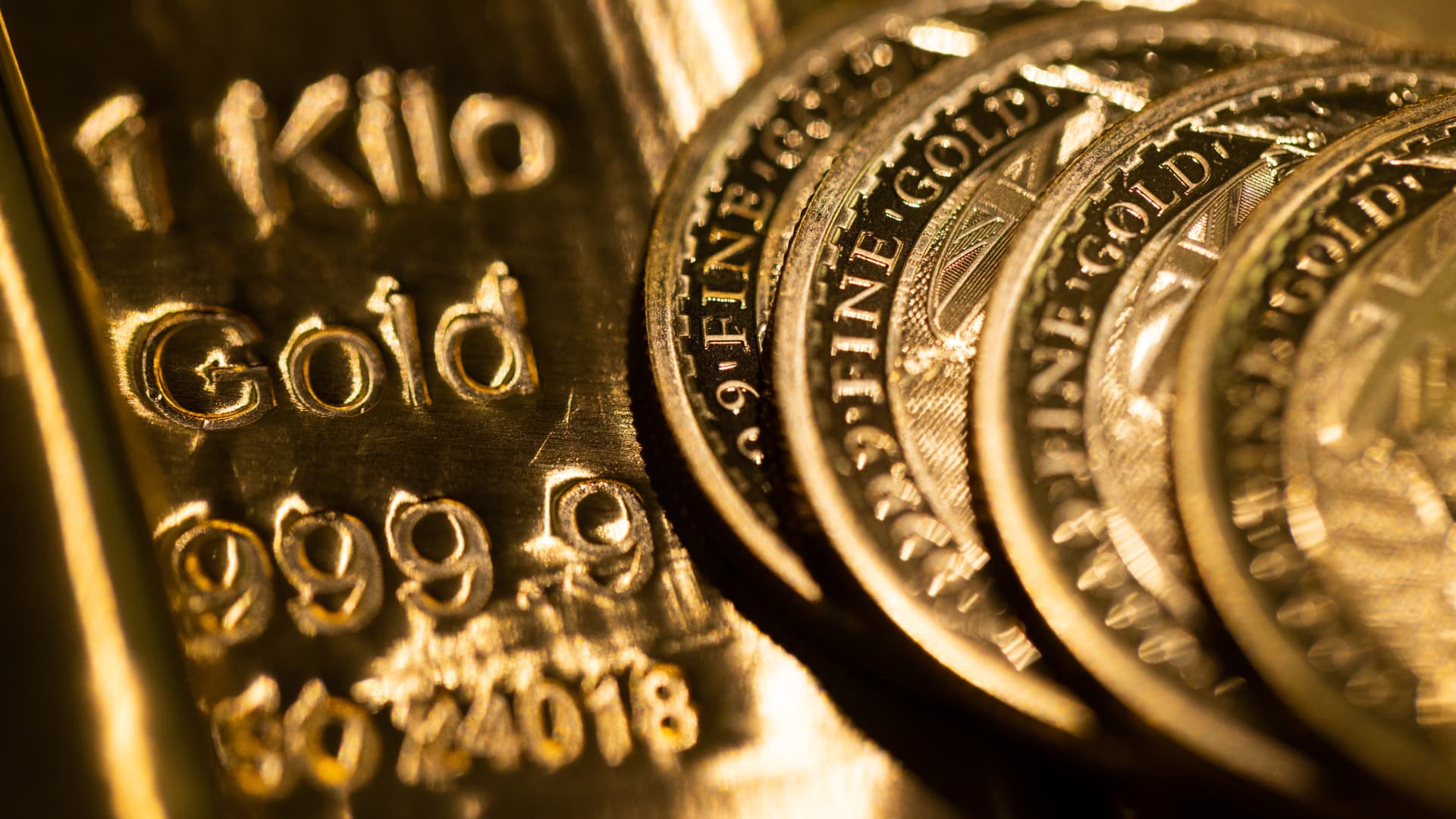
Goldman Sachs recently issued a compelling analysis, projecting gold prices could breach the $4,000 per ounce mark by mid-2026. This isn’t merely a bullish call on a precious metal; it’s a stark warning about the potential erosion of Federal Reserve independence under political pressure, specifically citing President Trump’s threats. The implications extend far beyond the gold market, signaling a future where higher inflation, devalued long-dated bonds, and a weakened U.S. dollar could fundamentally reshape the investment landscape. For oil and gas investors, this macro-economic seismic shift demands close attention, as commodity markets, particularly energy, are uniquely exposed to such inflationary and currency-driven dynamics. The flight to safe-haven assets, while primarily benefiting gold, invariably influences the broader commodity complex, positioning crude as a critical hedge against monetary instability.
Monetary Instability: A Catalyst for Commodity Revaluation
The core of Goldman’s thesis, echoed by JPMorgan, centers on mounting market anxiety regarding the Fed’s autonomy. JPMorgan’s analysis indicates that gold futures are already reflecting a “Fed inflation trade,” with significant gains observed following key political events. For instance, gold futures climbed 4.9% from August 7th, when Stephen Miran’s nomination to the Fed Board was announced, through Wednesday’s close. Further, a 5.8% increase in gold’s value was recorded since August 22nd, when President Trump publicly threatened a Fed Governor. This surge in long gold futures positions underscores a market increasingly pricing in a scenario where political interference leads to looser monetary policy, higher inflation, and a consequent depreciation of the dollar. In such an environment, hard assets like crude oil often become attractive inflation hedges. As the cost of goods and services rises, the nominal price of oil typically follows suit, offering a degree of protection against purchasing power erosion. Investors must consider how prolonged inflationary pressures could lift the baseline for energy commodities, irrespective of traditional supply-demand fundamentals.
Oil Market Dynamics Amidst Macroeconomic Headwinds
The current energy market snapshot provides a fascinating contrast to the looming monetary concerns. As of today, Brent crude trades at $98.34, registering a 1.06% daily decline, while WTI crude sits at $90.02, down 1.26%. This recent softness is part of a broader trend; Brent crude has shed over 12% in the last 14 days, falling from $108.01 on March 26th to $94.58 on April 15th. Gasoline prices, currently at $3.08, also reflect this tempered demand. These movements suggest that immediate supply-demand factors and short-term economic outlooks are exerting significant downward pressure on prices. However, the potential for a structurally weaker dollar and persistent inflation, as highlighted by the Goldman report, could provide a powerful counter-narrative. A weaker dollar makes dollar-denominated oil cheaper for buyers using other currencies, potentially boosting demand. Simultaneously, if inflation accelerates, the inherent value of physical commodities like oil could be re-rated upwards, potentially offsetting short-term demand-side weaknesses. Energy investors must therefore reconcile current price action with the longer-term inflationary risks emanating from a compromised central bank.
Investor Focus: Supply Stability and Forward-Looking Catalysts
Our proprietary reader intent data reveals a clear focus among investors on the foundational elements of the oil market, especially against a backdrop of macro uncertainty. Many are actively seeking clarity on “OPEC+ current production quotas” and inquiring about the “data sources that power our market responses.” This underscores a desire for transparency and predictability in supply-side dynamics. This focus is particularly pertinent given the upcoming energy calendar. Investors will keenly watch the OPEC+ Joint Ministerial Monitoring Committee (JMMC) meeting on April 18th, followed by the Full Ministerial meeting on April 20th. These gatherings are pivotal, as any decisions on production levels will directly impact global supply and price stability. In a world grappling with potential monetary instability, a stable and predictable oil supply becomes even more crucial. Further short-term indicators, such as the weekly API and EIA crude inventory reports on April 21st/22nd and April 28th/29th, along with the Baker Hughes Rig Count reports on April 17th and 24th, will provide critical insights into immediate market balances and drilling activity, helping investors gauge the industry’s response to evolving price signals and macro risks.
Navigating the Commodity Complex: Oil’s Role in a New Monetary Order
Goldman Sachs’ high-conviction “long recommendation” on gold highlights its traditional role as a safe haven during times of monetary uncertainty and inflation. However, for energy investors, crude oil presents a distinct, yet complementary, opportunity. While gold offers pure inflation protection and a store of value, oil also provides exposure to global economic activity and the fundamental demand for energy. In an environment where Fed independence is compromised, leading to higher inflation and a weaker dollar, the nominal price of oil could see sustained upward pressure. The potential for the U.S. dollar to lose its global reserve currency status, as warned by Goldman, would further amplify this trend, making dollar-denominated assets, including oil, more expensive in real terms for international buyers. Oil and gas companies, particularly those with strong balance sheets and diversified portfolios, could be well-positioned to benefit from this revaluation. Strategic allocation within the commodity complex, balancing the pure safe-haven appeal of gold with the energy sector’s unique exposure to global growth and inflationary pressures, will be paramount for investors seeking to protect and grow capital in this evolving monetary landscape.


