The AI Energy Nexus in West Texas: A New Demand Vector for Natural Gas
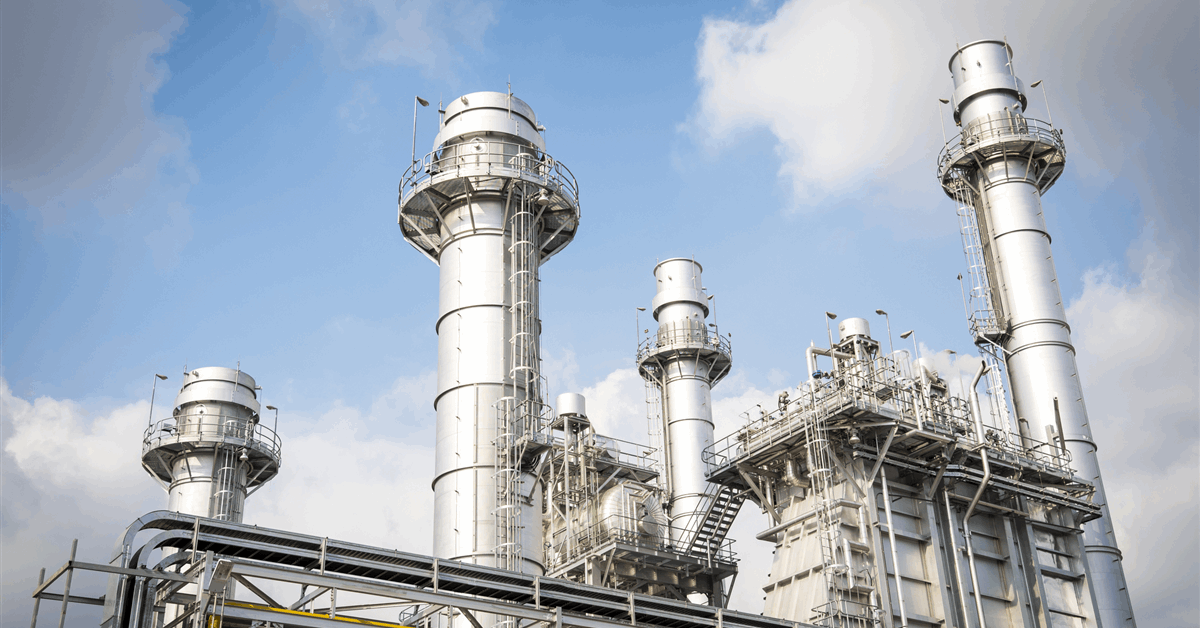
The energy landscape in Texas is undergoing a profound transformation, driven by the insatiable demand for computational power from the Artificial Intelligence (AI) sector. A recent development highlights this shift: Texas Critical Data Centers LLC (TCDC), a joint venture between New Era Energy & Digital Inc. and Sharon AI Inc., has solidified plans for a substantial natural gas-fired generation facility in Ector County, West Texas. This facility, boasting an initial capacity of 250 megawatts and scalable to a formidable one gigawatt, is slated to become the energy backbone for TCDC’s high-performance, AI-optimized compute campus. With construction expected to commence this year and targeting completion within 18 months, this project underscores a critical new demand vector for natural gas, positioning it as a foundational fuel for the burgeoning AI economy. For investors tracking long-term energy trends, this regional development serves as a tangible example of how technological advancements are reshaping commodity markets, demanding a closer look at natural gas producers and power infrastructure providers in key areas like the Permian Basin.
Navigating a Volatile Market: Brent’s Steep Decline and Future Demand Dynamics
This long-term structural demand story for natural gas unfolds against a backdrop of considerable short-term volatility in the broader crude oil market. As of today, Brent crude trades at $90.38 per barrel, marking a significant 9.07% daily decline. Similarly, WTI crude has fallen to $82.59, down 9.41% in the same period, while gasoline prices sit at $2.93, a 5.18% drop. This sharp daily correction follows an already pronounced bearish trend, with Brent having shed $20.91, or 18.5%, from its recent high of $112.78 just two weeks ago. Such dramatic price movements naturally lead investors to question the market’s trajectory, with a frequently asked question among our readers being: “What do you predict the price of oil per barrel will be by end of 2026?”
While macro concerns and supply-side dynamics often dictate immediate price action, the TCDC project in Texas illustrates a powerful counter-narrative of emerging, non-transportation energy demand. The exponential growth in AI infrastructure demand, as highlighted by New Era’s strategic pivot, suggests that while crude oil might face cyclical pressures, the demand for natural gas to power these data centers is a structural, generational trend. This dichotomy requires investors to differentiate between short-term commodity price swings and the longer-term fundamental shifts driving energy consumption patterns. Companies strategically positioned to supply reliable, on-demand power for these compute-intensive operations stand to benefit irrespective of transient crude market sentiment.
Upcoming Catalysts: OPEC+ Decisions and Inventory Data’s Influence
The immediate future of energy markets will be heavily influenced by several key events on the calendar, providing crucial forward-looking insights for investors. This weekend, the market’s attention will be fixed on the OPEC+ Joint Ministerial Monitoring Committee (JMMC) meeting on April 18th, followed by the Full Ministerial Meeting on April 19th. These gatherings are particularly significant given the recent steep decline in crude prices. Investors are keenly watching for any signals regarding production quotas, a topic frequently raised by our readership, who are asking: “What are OPEC+ current production quotas?” Any decision to adjust output, whether to support prices or respond to perceived demand shifts, could trigger significant market reactions.
Beyond OPEC+, the coming weeks will also offer vital snapshots of the U.S. supply and demand picture. The API Weekly Crude Inventory report on April 21st and the EIA Weekly Petroleum Status Report on April 22nd will provide fresh data on stockpiles and refinery activity, offering immediate indicators of market balance. These will be followed by another round of reports on April 28th and 29th, respectively. Furthermore, the Baker Hughes Rig Count on April 24th and May 1st will shed light on drilling activity, especially relevant for natural gas producers in regions like West Texas that are poised to supply projects such as the TCDC facility. For investors, monitoring these short-term data points in conjunction with the long-term AI-driven demand trends is essential for a comprehensive market view.
Investment Implications: Natural Gas and the AI Gold Rush
The strategic move by New Era Energy & Digital, rebranding from New Era Helium Inc. to become a vertically integrated energy supplier for digital infrastructure, signals a profound shift in the energy investment landscape. By focusing on “next-generation digital infrastructure and integrated power assets,” including powered land and shells, New Era aims to provide turnkey solutions for hyperscale and enterprise data centers. This vertical integration, from land acquisition to power generation, mitigates reliance on grid instability and ensures “energy-resilient, AI-native infrastructure.” The company’s continued commitment to the global AI ecosystem, where helium plays a crucial role in semiconductor manufacturing, further underscores its broad strategic vision.
For investors, this development highlights several key implications. Firstly, it elevates the strategic importance of natural gas. As AI data centers proliferate, the demand for reliable, dispatchable power will surge, favoring gas-fired generation, especially in gas-rich regions like West Texas. This creates a compelling long-term tailwind for natural gas producers, particularly those operating in the Permian Basin, where infrastructure can readily connect to new power facilities. Secondly, it signals the emergence of new infrastructure plays focused on specialized, energy-intensive digital campuses. Companies that can provide “powered land” and “powered shells” are bridging the gap between traditional energy supply and cutting-edge technology demand, offering a unique investment proposition. Finally, the broader trend suggests that while traditional oil and gas investing will continue to face cyclical challenges, the integration of energy with digital infrastructure, particularly AI, represents a powerful new growth frontier for the sector, demanding a re-evaluation of investment theses beyond conventional metrics.


